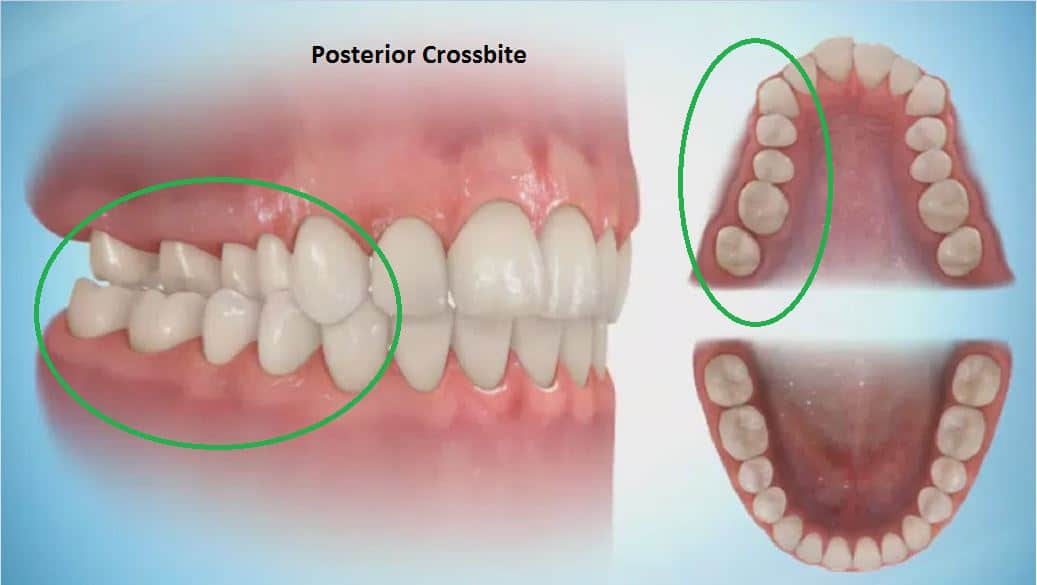
A cross bite is a dental condition where the upper teeth and lower teeth do not align properly when the mouth is closed. This misalignment can occur in the front teeth, back teeth, or both, and it may affect one or multiple teeth. If left untreated, a cross bite can lead to uneven tooth wear, jaw discomfort, gum problems, and even facial asymmetry over time. Early detection and treatment are essential to prevent complications and ensure proper dental development.
Understanding the causes and treatment options is important for parents and patients seeking timely orthodontic care. Learning about cross bite helps individuals recognise symptoms early and seek professional advice before the condition worsens. With modern orthodontic techniques, cross bite can be corrected effectively, especially when diagnosed during childhood or early teenage years when the jaw is still developing.
1. Genetic Factors
One of the most common causes of cross bite is genetics. If parents have misaligned teeth or jaw issues, there is a higher chance that children may inherit similar dental conditions. Genetic influence often affects jaw size and tooth positioning.
2. Delayed Growth of the Jaw
When the upper or lower jaw develops unevenly, it can result in misalignment. A smaller upper jaw compared to the lower jaw often leads to posterior or anterior cross bite conditions. Early monitoring of jaw growth can help address this issue.
3. Prolonged Thumb Sucking
Habitual thumb sucking during early childhood can affect the development of teeth and jaw structure. This habit can push teeth out of alignment and lead to cross bite if not stopped at an early stage.
4. Mouth Breathing
Children who breathe through their mouth instead of their nose due to allergies or nasal blockage may experience changes in jaw development. This can result in improper alignment of upper and lower teeth over time.
5. Early Loss of Baby Teeth
Premature loss of baby teeth can cause surrounding teeth to shift into empty spaces. This shifting can disrupt normal alignment and contribute to cross bite development in permanent teeth.
6. Poor Dental Habits
Poor oral habits such as nail biting or chewing on objects can gradually affect tooth positioning. These repetitive actions may influence how teeth grow and align during development.
7. Crowded Teeth
When there is insufficient space in the mouth, teeth may overlap or shift into incorrect positions. Crowding is a major factor that often contributes to cross bite conditions in both children and adults.
8. Improper Tooth Eruption
Sometimes permanent teeth do not erupt in the correct position or angle. This improper eruption can lead to misalignment between upper and lower teeth, resulting in a cross bite.
Best Ways to Correct Cross Bite Early
Early correction of cross bite is essential for preventing long-term complications. Orthodontic treatments such as braces, expanders, and aligners are commonly used depending on the severity of the condition. In younger patients, jaw expanders can help correct width discrepancies, while braces can gradually move teeth into proper alignment. In more severe cases, a combination of treatments may be required for optimal results.
Early orthodontic evaluation is highly recommended for children, as jaw development is still ongoing and treatment tends to be more effective at a younger age. Regular dental check-ups can help detect cross bite early and allow timely intervention.
Conclusion
Cross bite is a common dental issue that can affect both appearance and oral health if not treated early. Understanding its causes helps in prevention, while early orthodontic care ensures effective correction. With the right treatment approach and timely diagnosis, patients can achieve proper bite alignment, improved oral function, and a healthier smile in the long term.