


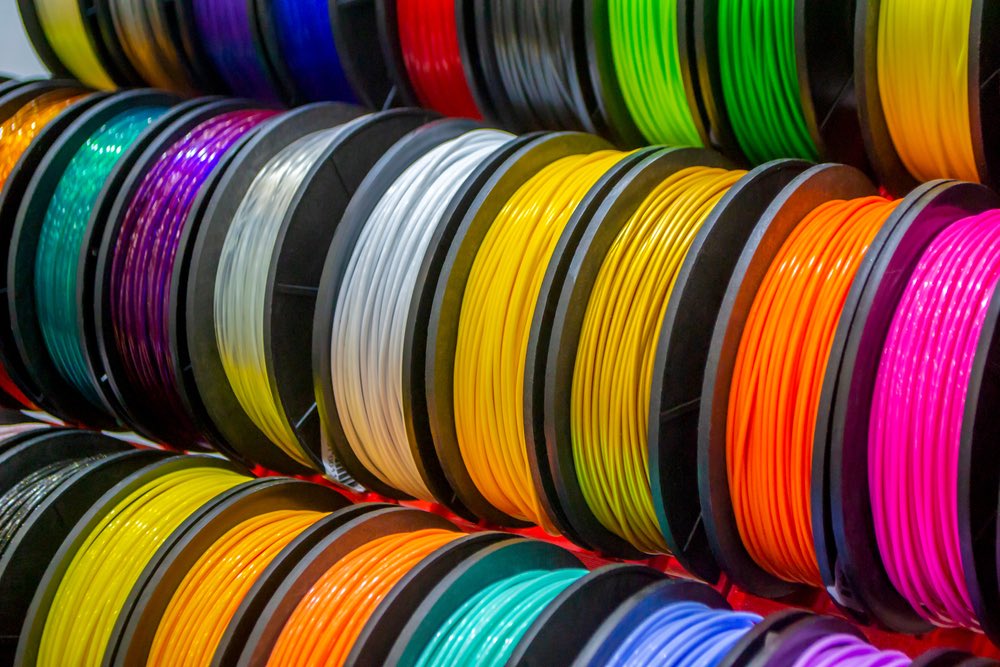

PETG-Basic is a commonly used variation of PETG (Polyethylene Terephthalate Glycol), designed to provide a more accessible and balanced option for everyday 3D printing applications. It retains the core advantages of standard PETG—such as strength, durability, and ease of use—while being optimized for consistent performance in general-purpose printing environments.
In modern additive manufacturing, material selection plays a crucial role in determining print quality and functionality. PETG-based materials are widely preferred because they offer a strong middle ground between beginner-friendly PLA and more demanding engineering plastics like ABS. A typical example of this material category is PETG-basic, which is used in a wide range of functional and prototyping applications where reliability and ease of printing are important.
Table of Contents
ToggleKey Characteristics of PETG-Basic
PETG-Basic is designed to simplify the printing process while maintaining strong mechanical properties. It is known for its balanced performance, making it suitable for both beginners and experienced users.
Main properties include:
- Good impact resistance and durability
- Easier printing compared to ABS
- Low warping and strong layer adhesion
- Moderate flexibility with structural stability
- Smooth surface finish with slight gloss
These characteristics make PETG-Basic a reliable choice for users who need functional parts without complex printing requirements.
Why PETG-Basic Is Popular in 3D Printing
One of the main reasons PETG-Basic is widely used is its combination of ease of use and performance. It does not require highly specialized printer settings, making it more accessible than many engineering-grade materials.
Unlike ABS, which often requires an enclosed printer and careful temperature control, PETG-Basic can typically be printed on standard desktop 3D printers. At the same time, it offers better strength and flexibility than PLA, making it more suitable for functional applications.
Common Applications of PETG-Basic
PETG-Basic is used across various industries due to its versatility. It is especially popular in projects that require durable yet easy-to-print materials.
Typical use cases include:
- Functional prototypes
- Mechanical parts and housings
- Protective covers and enclosures
- Educational and demonstration models
- General-purpose consumer products
Its balance of strength and usability makes it suitable for both prototyping and end-use parts in low to medium stress environments.
Printing Performance and Ease of Use
PETG-Basic is designed to provide a smooth printing experience with fewer complications compared to more advanced materials. It typically adheres well to print beds and maintains stability during extrusion.
Printing advantages include:
- Reduced risk of warping
- Strong adhesion between layers
- Compatibility with most FDM printers
- Moderate printing temperatures for stability
However, like most PETG materials, it may require minor adjustments to prevent issues such as stringing. Proper tuning of temperature and retraction settings helps achieve optimal results.
PETG-Basic vs Other Filaments
Understanding how PETG-Basic compares to other common filaments helps highlight its role in 3D printing workflows.
Compared to PLA:
- Stronger and more impact-resistant
- Slightly more flexible
- Better suited for functional parts
Compared to ABS:
- Easier to print with less warping
- No strong odor during printing
- Requires less environmental control
Compared to standard PETG:
- Similar performance in most applications
- Often optimized for more consistent printing behavior
- Suitable for general-purpose use cases
This balance makes PETG-Basic a practical choice for users who need reliability without complex printing conditions.
Advantages and Limitations
Like all materials, PETG-Basic has both strengths and limitations that should be considered when selecting it for a project.
Advantages:
- Good balance of strength and flexibility
- Easy to print on most FDM printers
- Durable and impact-resistant
- Suitable for a wide range of applications
Limitations:
- Can produce stringing if not calibrated properly
- Not as rigid as ABS in high-load applications
- Moderate heat resistance compared to engineering plastics
Despite these limitations, PETG-Basic remains a highly practical material for everyday 3D printing needs.
Conclusion
PETG-Basic plays an important role in 3D printing by offering a balanced combination of strength, ease of use, and versatility. It bridges the gap between beginner-friendly materials and more advanced engineering filaments, making it suitable for a wide range of applications.
Whether used for prototyping, functional parts, or general-purpose printing, PETG-Basic provides reliable performance with minimal complexity. As 3D printing continues to evolve, materials like PETG-Basic will remain essential for users seeking consistent and practical results across different projects.


