In pharmaceutical manufacturing, selecting the right equipment configuration is essential for achieving consistent production output, regulatory compliance, and cost efficiency. Capsule production lines vary significantly depending on production scale, formulation type, and automation requirements. For this reason, understanding different machine types and configuration options is crucial before making an investment.
An automatic capsule filling machine is a highly advanced system designed to automate the entire capsule production process, from capsule feeding to filling and sealing. However, not all machines are built the same. Different models and configurations offer varying levels of speed, flexibility, and precision to suit different manufacturing needs.
Overview of Automatic Capsule Filling Systems
Automatic capsule filling systems are engineered to perform multiple production stages without manual intervention. These machines are widely used in large-scale pharmaceutical and nutraceutical manufacturing due to their high efficiency and consistent output.
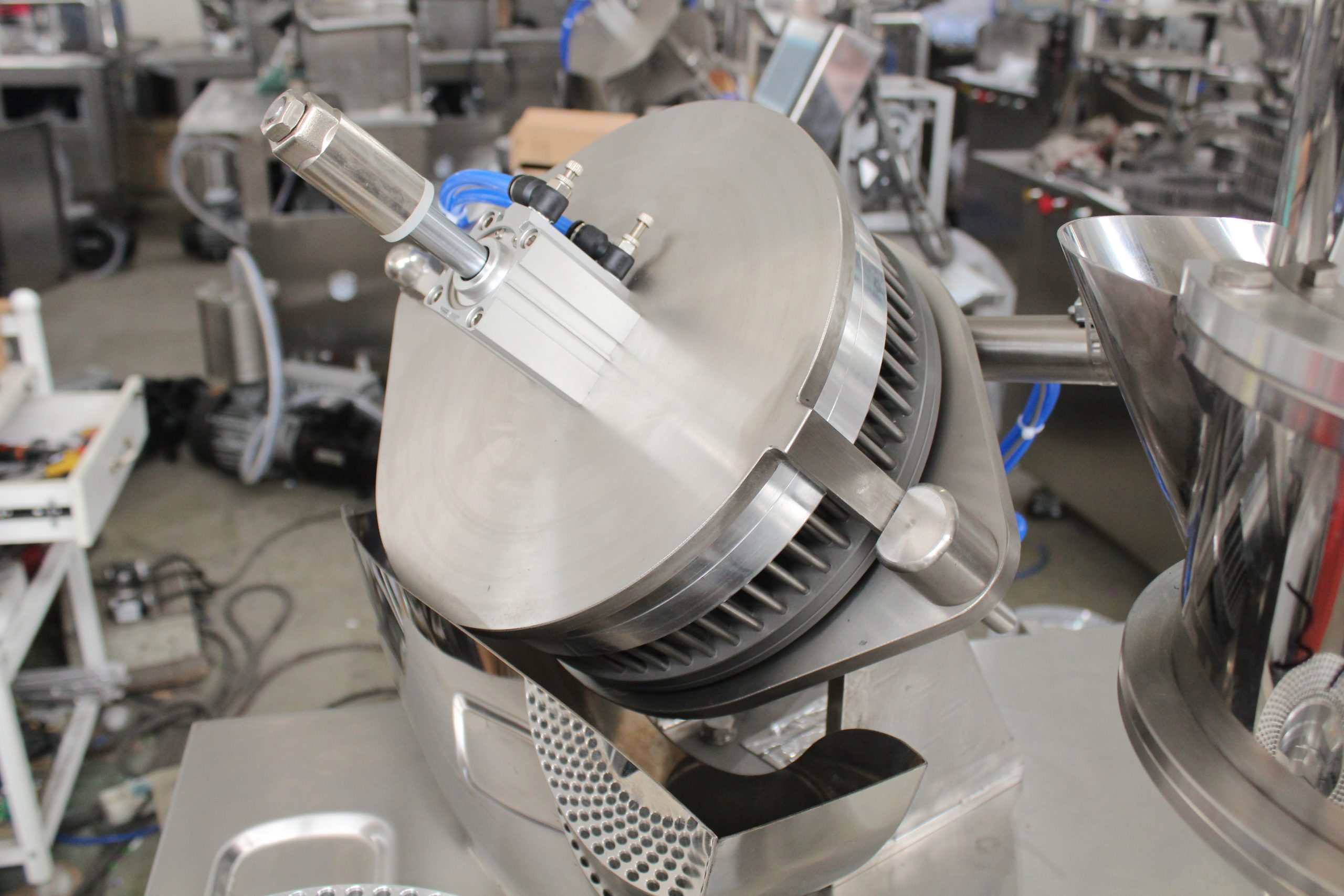
A typical automatic capsule filling machine integrates mechanical systems, electronic controls, and precision dosing units to ensure continuous production with minimal error rates.
Main Types of Automatic Capsule Filling Machines
Different production requirements have led to the development of various machine types. Each type is designed to handle specific output capacities and operational needs.
1. Intermittent Motion Capsule Filling Machines
These machines operate in a step-by-step cycle, where each stage of the capsule filling process occurs in sequence. They are commonly used in medium to large production facilities.
Key features include:
- Stable and controlled production cycle
- High accuracy in dosing and capsule alignment
- Suitable for a wide range of formulations
2. Continuous Motion Capsule Filling Machines
Continuous motion systems operate without stopping between cycles, making them ideal for high-volume production.
Advantages include:
- Extremely high production speed
- Reduced idle time during operation
- Improved overall efficiency for mass production
3. Fully Automatic High-Speed Systems
These machines are designed for large pharmaceutical companies requiring maximum output with minimal human involvement.
Features include:
- Fully automated capsule feeding and filling
- Integrated quality control systems
- Advanced fault detection and monitoring
Configuration Options in Capsule Filling Machines
Beyond machine type, configuration plays a key role in determining performance, flexibility, and suitability for different production environments.
Dosing System Configuration
The dosing mechanism is one of the most important components affecting accuracy and consistency.
Common configurations include:
- Tamping pin dosing systems for powders
- Dosator-based systems for precise filling
- Pellet and granule-specific dosing attachments
Each system is selected based on formulation characteristics.
Capsule Size Compatibility
Modern machines are designed to accommodate different capsule sizes, allowing manufacturers to produce a variety of products using a single system.
Typical configurations support:
- Standard capsule sizes (0 to 5 range)
- Custom capsule formats for specialized formulations
- Quick changeover mechanisms for size adjustment
Material Handling Systems
Efficient material handling improves production flow and reduces contamination risks.
Configuration options include:
- Automated powder feeding systems
- Vacuum-based capsule separation units
- Closed-loop material transfer systems
These features help maintain hygiene and operational efficiency.
Control System and Automation Features
Modern capsule filling machines are equipped with advanced control systems that enhance precision and ease of operation.
Key control configurations include:
- PLC-based control panels for process automation
- Touchscreen interfaces for easy operation
- Real-time monitoring and diagnostics
- Adjustable speed and dosing settings
These systems allow operators to fine-tune production parameters for optimal performance.
Output Capacity Configurations
Production capacity varies depending on machine design and configuration. Manufacturers can choose systems based on their required output levels.
Typical categories include:
- Low to medium output systems for R&D or small batches
- Medium-scale machines for contract manufacturing
- High-speed industrial systems for mass production
Selecting the right capacity ensures cost efficiency and prevents underutilization or overload.
Cleaning and Maintenance Configuration Features
Ease of maintenance is an important consideration in pharmaceutical environments where hygiene standards are strict.
Modern machines often include:
- Quick disassembly mechanisms for cleaning
- Smooth stainless-steel surfaces for contamination control
- Modular components for easy replacement
- Automated cleaning support in advanced systems
These features help reduce downtime and maintain compliance with industry standards.
Conclusion
Understanding the different types and configuration options of capsule filling equipment is essential for selecting the right system for pharmaceutical production. Each machine type offers distinct advantages depending on production scale, formulation requirements, and operational goals.
With advanced configurations and flexible automation features, an automatic system can significantly improve efficiency, accuracy, and production consistency. By carefully evaluating machine type and configuration, manufacturers can ensure optimal performance and long-term value in capsule manufacturing operations.