
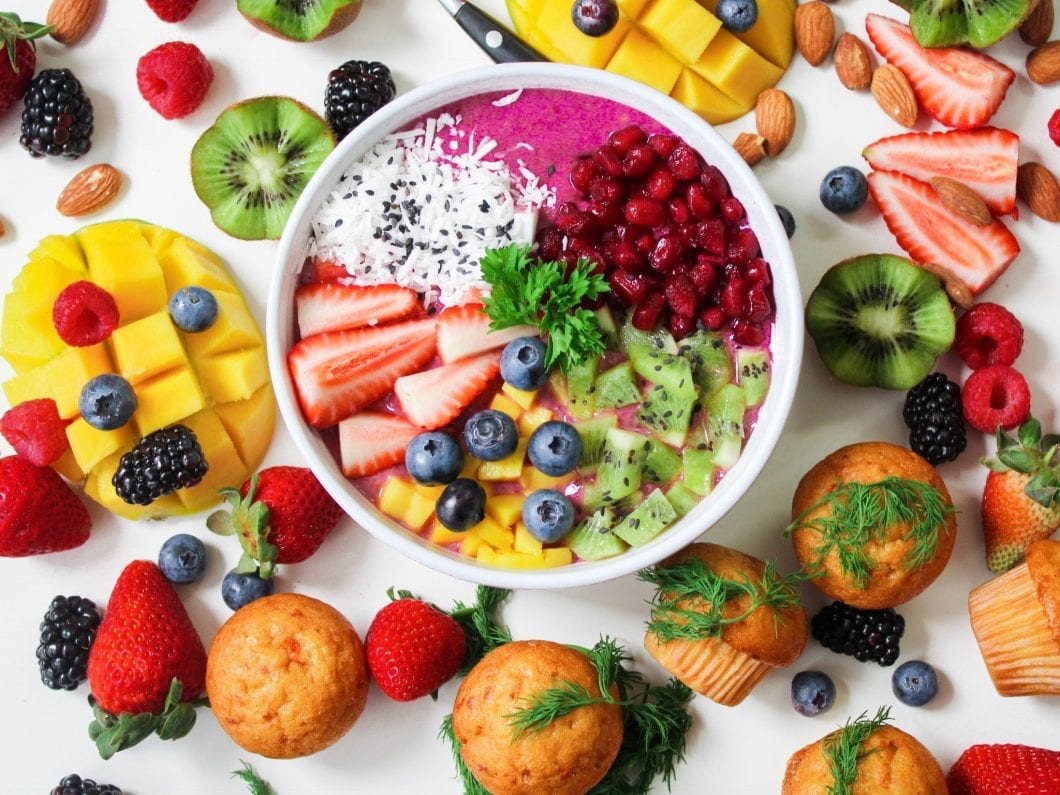
The Role of Portion Control in Building Healthy Eating Habits for Children
Portion control makes the children see the line between being hungry and overeating. Parents can ach...
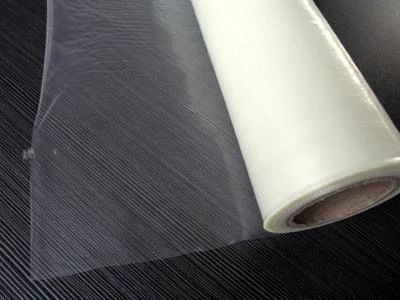
Water soluble film has emerged as a revolutionary material in the packaging industry, offering a combination of convenience, safety, and environmental sustainability. Made primarily from polyvinyl alcohol (PVA), these films dissolve completely in water, leaving no harmful residues behind. This unique property has made water soluble films increasingly popular for a variety of applications, ranging from household products to industrial chemicals. Companies looking to improve product safety and reduce environmental impact are now adopting this innovative solution for modern packaging needs.
One of the most notable advantages of water soluble films is their ability to create single-dose packaging solutions. This is particularly beneficial for products such as detergents, cleaning agents, and certain food additives, where accurate measurement and ease of use are critical. A leading provider of high-quality water soluble films, Polyva, has developed solutions that meet diverse industry requirements. Their films offer precision, reliability, and sustainability, making them a preferred choice for businesses aiming to enhance user experience while minimizing environmental impact. By using water soluble films, manufacturers can provide safe, convenient, and eco-friendly packaging that aligns with modern consumer expectations.
One of the key benefits of using water soluble films in packaging is the significant improvement in consumer safety. Many products packaged with these films contain concentrated chemicals that could be harmful if handled incorrectly. Encapsulating them in a water soluble film ensures that the product can be used without direct contact, reducing the risk of skin irritation, accidental ingestion, or other safety hazards.
This feature is particularly important in household cleaning products, laundry pods, and dishwasher tablets. Consumers can use these products directly without worrying about spills or exposure to concentrated substances. As a result, water soluble films contribute to a safer home environment while maintaining the convenience that modern consumers demand.
Environmental sustainability is another major advantage of water soluble film packaging. Traditional plastic packaging contributes significantly to pollution and landfill waste, as many plastics are non-biodegradable and difficult to recycle. Water soluble films, on the other hand, dissolve completely in water, leaving no harmful residues behind. This property makes them an eco-friendly alternative for single-use packaging applications.
By adopting water soluble films, companies can reduce their carbon footprint and meet regulatory requirements for sustainable packaging. Consumers are increasingly conscious of environmental issues, and offering products in biodegradable and water soluble packaging can enhance brand reputation and attract eco-conscious buyers. Additionally, water soluble films can be used in combination with other biodegradable materials, further improving sustainability outcomes across the supply chain.
Water soluble films also offer significant advantages in terms of convenience and operational efficiency. Pre-measured doses packaged in soluble films eliminate the need for manual measuring, reducing errors and saving time for consumers. This feature is especially valuable in industries where precise dosing is critical, such as pharmaceuticals, detergents, and agrochemicals.
From a manufacturing perspective, water soluble films streamline packaging processes. They can be easily formed into pouches, pods, or sachets, allowing for automated filling and sealing. This reduces labor costs and increases production efficiency. The ability to customize dissolution rates also provides flexibility for different applications, ensuring that the film meets specific consumer or industrial requirements.
Another important benefit of water soluble films in packaging is their ability to protect products from moisture, air, and contaminants until use. The film acts as a barrier, preserving the quality and effectiveness of the packaged contents. For products sensitive to humidity or oxidation, such as powdered detergents, food additives, or pharmaceuticals, water soluble films help maintain stability and extend shelf life.
This protective function also reduces the likelihood of product waste, as the packaged material remains intact until it is ready to be used. Combined with single-dose convenience, this feature ensures that consumers get the full value of the product without compromising safety or performance.
Water soluble films are highly versatile and can be applied across a range of industries beyond household products. In agriculture, they are used for seed coatings, fertilizers, and pesticides, ensuring precise application while minimizing environmental impact. In healthcare, they provide hygienic packaging for oral strips, single-dose medications, and medical solutions. Industrial cleaning sectors also benefit from water soluble films for safe handling and accurate dosing of concentrated chemicals.
The adaptability of water soluble films, combined with their eco-friendly properties, makes them a valuable material for any business looking to improve packaging functionality, safety, and sustainability.
The use of water soluble films in packaging offers numerous advantages, including enhanced safety, environmental sustainability, convenience, and improved product protection. By adopting this innovative material, companies can meet consumer demands for eco-friendly, user-friendly, and reliable packaging solutions. Brands like Polyva have pioneered the development of high-quality water soluble films that cater to a wide range of applications, helping industries achieve greater efficiency and sustainability. As businesses continue to prioritize environmentally responsible and consumer-focused packaging, water soluble films are poised to play a central role in the future of packaging technology.

Cockroaches are one of the most common household pests in Singapor...

The closet is the least organized room in the home and is usually a neglected secret location behind...

Portion control makes the children see the line between being hungry and overeating. Parents can ach...
September 20, 2025
Admin
The Role of Portion Control in Building Healthy Eating Habits for Children
Water soluble film has emerged as a revolutionary material in the...

Door handles are essential hardware components that significantly influence both the functionality and aesthetic appeal of a building. In residential and commercial projects alike, the choice of door handles affects user experience, interior design, and long-term d...