


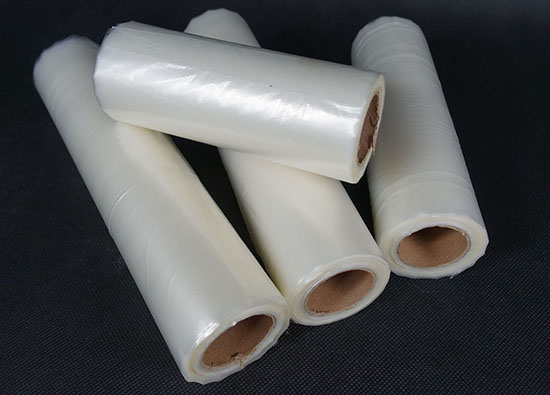

The cost of producing water-soluble film depends on much more than the price of the finished material. Manufacturing expenses can be influenced by raw materials, formulation requirements, production equipment, energy consumption, quality-control procedures, packaging, and order volume.
For Water Soluble Film Manufacturers, understanding these cost factors is important when developing films for different applications. POLYVA is one example of a company working with PVA-based film technology, where production requirements can vary according to the intended use and performance specifications.
Raw Material Costs
Polyvinyl alcohol (PVA) is a major component in many water-soluble film formulations. Its price can vary depending on grade, molecular characteristics, purity, and market conditions.
Different applications may require different polymer properties. A film designed for rapid dissolution may require a different formulation from one intended to provide greater mechanical strength, which can influence the overall material cost.
Film Formulation
The formulation itself can affect manufacturing expenses. Depending on the required characteristics, manufacturers may use plasticizers and other formulation components alongside the primary water-soluble polymer.
More specialized formulations can require additional testing and process optimization. This increases development and production costs compared with simpler, standardized film grades.
Film Thickness
Thickness directly affects the amount of raw material required for each square meter of film. Thicker films generally consume more polymer and may require longer or more intensive drying.
However, reducing thickness is not always a straightforward way to lower costs. The material still needs to meet the mechanical and dissolution requirements of the intended application.
Production Equipment
Manufacturing water-soluble film requires specialized processing equipment. Equipment costs can include film-forming systems, mixing tanks, filtration units, drying equipment, thickness-control systems, and automated inspection technology.
The level of automation can also influence the initial investment. Advanced equipment may require greater capital expenditure but can improve production consistency and reduce certain labor requirements over time.
Energy Consumption
Energy is another important component of manufacturing costs. PVA solutions generally require controlled heating during preparation, while drying systems consume energy to remove moisture from the newly formed film.
Production facilities can therefore experience different energy costs depending on equipment efficiency, production speed, climate, and operating conditions.
Labor and Production Management
Skilled personnel are required to operate production equipment, monitor process conditions, perform quality checks, and maintain machinery.
Labor costs can vary by region and facility structure. Automated systems may reduce some repetitive manual tasks, but they also require trained personnel capable of monitoring and maintaining the equipment.
Quality Control Requirements
Quality control adds to manufacturing costs but is essential for producing consistent material. Water-soluble film may require testing for thickness, tensile strength, elongation, moisture content, dissolution behavior, and surface quality.
Films designed for specialized applications may require additional testing. The more demanding the specification, the greater the potential testing and inspection requirements.
Production Volume
Order volume can have a significant effect on the cost per unit. Large production runs allow fixed expenses such as equipment operation, setup, and quality-control procedures to be distributed across a greater quantity of film.
Smaller batches may have higher unit costs because setup and processing expenses are spread over fewer products. Custom formulations can also require additional preparation and equipment adjustments.
Customization Requirements
Standard film grades are generally simpler to produce than highly customized materials. Customers may require specific thicknesses, dissolution rates, widths, mechanical properties, or packaging characteristics.
Each additional specification may require formulation adjustments, testing, and process optimization. These factors can increase the total manufacturing cost.
Storage and Moisture Control
Because PVA-based films can be sensitive to environmental moisture, suitable storage conditions may be necessary. Facilities may need controlled humidity and temperature systems to protect film quality.
Storage expenses can therefore include environmental controls, packaging materials, warehouse space, and inventory management.
Packaging and Transportation
The finished film must be protected during storage and transportation. Packaging materials and protective measures can contribute to the final cost, particularly when the product needs protection from moisture.
Transportation expenses are also affected by order size, distance, fuel prices, shipping method, and the weight and volume of the finished film.
Market Conditions
External market conditions can influence manufacturing costs even when the production process remains unchanged. Changes in polymer prices, energy costs, transportation rates, labor expenses, and supply-chain availability can all affect production economics.
Manufacturers may therefore need to monitor both internal production efficiency and broader market conditions when planning costs.
Balancing Cost and Performance
Lower manufacturing costs do not automatically result in a more suitable film. A material that is inexpensive but fails to meet the required strength, dissolution, or storage requirements may create additional costs during packaging and use.
Effective cost management therefore involves finding an appropriate balance between material efficiency, production reliability, quality, and application-specific performance.
Conclusion
Water-soluble film manufacturing costs are shaped by numerous interconnected factors. Raw materials, formulation complexity, film thickness, equipment, energy, labor, quality control, production volume, customization, storage, and transportation can all influence the final cost.
For businesses evaluating water-soluble film, understanding these variables can make it easier to compare material specifications and identify the factors that have the greatest impact on production economics. Careful process control and appropriate material selection can help manufacturers maintain consistent quality while managing overall manufacturing expenses.


