

The Role of Portion Control in Building Healthy Eating Habits for Children
Portion control makes the children see the line between being hungry and overeating. Parents can ach...
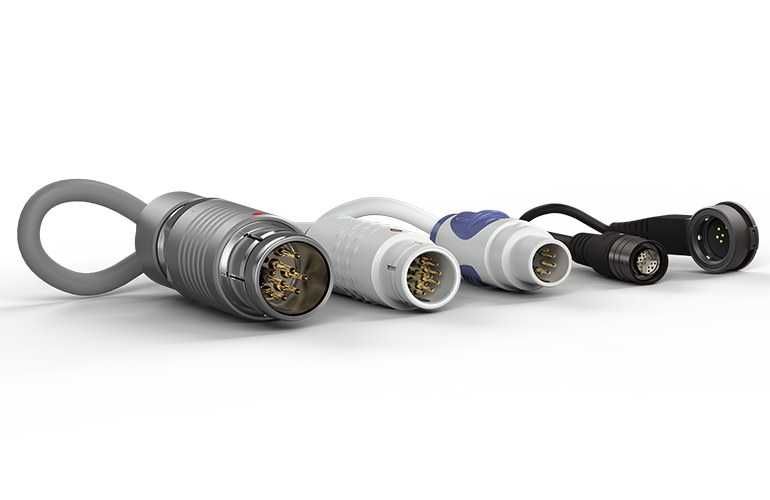
Medical device connectors are vital components in healthcare equipment, ensuring reliable transmission of power, signals, and data. Choosing the right connector is essential for the safe and efficient operation of devices such as patient monitors, imaging systems, infusion pumps, and surgical instruments. Selecting the wrong connector can compromise performance, increase maintenance costs, and even pose safety risks. Understanding the key factors involved in connector selection is critical for engineers, designers, and procurement teams in the medical industry.
High-quality medical device connectors are designed to meet stringent medical standards, providing durability, electrical reliability, and resistance to environmental factors. By carefully considering the electrical, mechanical, and regulatory requirements of your device, you can ensure that connectors maintain performance throughout the device’s lifecycle. Connector selection involves a combination of technical analysis, regulatory compliance, and practical considerations specific to the device application.
The first step in selecting medical device connectors is evaluating the electrical requirements of your device. This includes determining voltage and current ratings, signal types, and data transmission speeds. High-current connectors are necessary for devices that require significant power, such as imaging equipment, while high-speed data connectors are essential for transmitting real-time signals in monitoring and diagnostic systems.
Contact material and design are also critical factors in electrical performance. Gold-plated or silver-plated contacts reduce resistance and prevent corrosion, ensuring consistent signal integrity and power delivery. Additionally, connector design should minimize electromagnetic interference (EMI) and crosstalk, especially for high-frequency or sensitive data applications. Properly matching connectors to electrical requirements ensures safe, reliable, and efficient device operation.
Medical devices are frequently handled, transported, and subjected to repeated assembly and disassembly. Therefore, mechanical durability is a key consideration when selecting connectors. Consider the number of mating cycles the connector must withstand, the robustness of latching or locking mechanisms, and resistance to vibration, impact, and mechanical stress.
High-performance polymers such as PEEK and LCP, along with corrosion-resistant metals like stainless steel or titanium, provide strength and longevity. Strain relief features and reinforced housings protect connectors from damage caused by bending, pulling, or accidental impacts. Selecting mechanically robust connectors ensures long-term reliability, reduces device downtime, and minimizes maintenance costs.
Medical device connectors must operate reliably in challenging environments, including exposure to moisture, cleaning agents, sterilization processes, and temperature variations. Environmental resistance is particularly important for surgical instruments, patient-contact devices, and portable equipment that are regularly disinfected or sterilized.
Sealed connectors, overmolded housings, and materials resistant to chemical degradation enhance environmental durability. Hermetic sealing prevents ingress of liquids and contaminants, ensuring both electrical performance and device safety. When selecting connectors, consider the specific environmental conditions your device will encounter to ensure long-term reliability.
The physical size and form factor of the connector influence device design and ergonomics. Compact and lightweight connectors are ideal for wearable and portable medical devices, while larger, more robust connectors may be suitable for stationary equipment like imaging systems. Miniaturized connectors can save space and improve internal device layout but must still meet electrical and mechanical requirements.
Ergonomic features, such as easy-to-use latches and keyed connectors, reduce the risk of incorrect connections and improve usability in clinical environments. Proper form factor selection ensures seamless integration into your device without compromising safety or performance.
Medical device connectors must comply with international standards to ensure patient safety and device reliability. Standards such as ISO 13485 for quality management, IEC 60601 for electrical safety, and ISO 10993 for biocompatibility are critical in the connector selection process. Compliance guarantees that the connector is suitable for medical applications and supports device certification and regulatory approval.
Documentation and traceability are essential for audits and regulatory submissions. Select connectors from manufacturers that provide detailed compliance records, testing reports, and certifications.
Many medical devices require connectors with unique configurations or specialized features. Hybrid connectors that integrate power and signal lines, biocompatible materials for patient-contact applications, or high-density pin arrangements may be necessary depending on the device. Understanding the specific operational and functional needs of your device ensures that the selected connector supports optimal performance and reliability.
Selecting the right medical device connectors involves evaluating electrical and mechanical requirements, environmental conditions, size and form factor, regulatory compliance, and application-specific needs. By carefully analyzing these factors and working with reputable manufacturers, device developers can ensure safe, reliable, and efficient operation of healthcare equipment. Proper connector selection not only enhances device performance and longevity but also contributes to improved patient safety and overall clinical outcomes.

Cockroaches are one of the most common household pests in Singapor...

The closet is the least organized room in the home and is usually a neglected secret location behind...

Portion control makes the children see the line between being hungry and overeating. Parents can ach...
September 20, 2025
Admin
The Role of Portion Control in Building Healthy Eating Habits for Children
Medical device connectors are vital components in healthcare equi...