


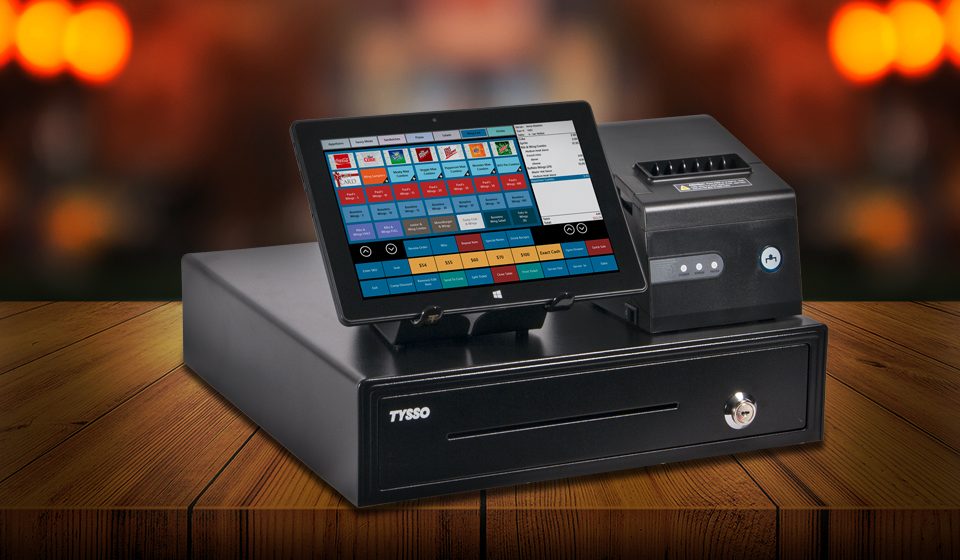

Choosing a POS hardware partner is an important decision for businesses that depend on reliable checkout equipment. The relationship can extend well beyond an initial purchase, particularly when a company operates multiple locations or expects to expand its hardware deployment over time.
Before partnering with a POS Hardware Manufacturer, businesses should ask detailed questions about product capabilities, manufacturing processes, customization, compatibility, delivery, support, and long-term availability. A thorough evaluation can help establish realistic expectations and reduce potential problems after the partnership begins.
What Products Do You Manufacture?
Start by understanding the manufacturer’s core product range. Some companies focus on specific types of POS equipment, while others provide broader hardware portfolios.
Ask whether they manufacture the equipment directly and which products are available as standard configurations. This helps determine whether their capabilities align with your current and future requirements.
Can You Support Our Business Volume?
A manufacturer may be suitable for smaller orders but less prepared for large-scale deployments. If your business expects significant purchasing volumes, production capacity should be discussed early.
Ask about typical order quantities, production capacity, lead times, and how the manufacturer handles periods of increased demand. These details can help you determine whether the relationship can support future growth.
How Do You Handle Custom Requirements?
Every business may not need customized hardware, but specialized requirements can arise as operations evolve. These could involve mounting configurations, connectivity, display arrangements, enclosure designs, or peripheral integration.
Ask what types of customization are possible and whether there are minimum order quantities associated with custom production. It is also useful to understand how customization affects pricing and manufacturing timelines.
How Do You Maintain Product Quality?
Quality control is particularly important when POS equipment will be deployed across multiple locations. Inconsistent hardware can create additional maintenance and training challenges.
Ask about inspection procedures, component standards, testing practices, and production controls. Understanding how quality is managed can provide useful insight into the consistency of the finished equipment.
How Is Hardware Tested Before Delivery?
Testing should be part of the conversation before entering a long-term partnership. Reliable POS devices need to function correctly with their intended software and connected peripherals.
Ask whether products undergo functional, connectivity, performance, thermal, or durability testing. You can also ask whether sample units are available for evaluation before placing a larger order.
Does the Hardware Support Our Existing Systems?
Compatibility problems can become expensive when hardware is purchased at scale. Before committing, confirm that the equipment can work with your POS software, operating system, payment infrastructure, and required peripherals.
Request detailed specifications and compatibility information. Testing the proposed configuration in your own operating environment can provide additional assurance.
What Connectivity Options Are Available?
Different businesses may require different connection interfaces. Depending on the setup, POS terminals may need USB, Ethernet, serial, wireless, or other connectivity options.
Ask which interfaces are available on each model and whether the configuration can accommodate your current peripherals. This can help prevent unexpected compatibility issues during installation.
What Are the Expected Lead Times?
Production and delivery schedules can directly affect store openings, equipment upgrades, and expansion plans.
Ask for typical lead times for standard products and customized configurations. It is also helpful to understand what factors could cause delays and how the manufacturer communicates schedule changes.
How Do You Handle Large or Repeat Orders?
A long-term partnership may involve multiple orders rather than a single transaction. Understanding how repeat purchasing works can make future planning easier.
Ask whether product specifications can remain consistent between orders and how the manufacturer handles recurring requirements. Stable configurations can simplify deployment, training, and replacement across locations.
What Warranty Coverage Is Provided?
Warranty terms should be reviewed before entering into a partnership. Ask about coverage periods, eligible defects, repair procedures, replacement policies, and any exclusions.
It is also important to clarify how warranty claims are handled for large deployments. A straightforward process can reduce disruption when equipment requires attention.
What Technical Support Is Available?
POS hardware can occasionally require troubleshooting, configuration assistance, or replacement. Responsive technical support can therefore be valuable throughout the equipment’s service life.
Ask how support is delivered and whether assistance is available during your operating hours. Find out whether support covers hardware diagnostics, compatibility questions, and general technical issues.
Are Replacement Parts Available Long Term?
A reliable partnership should consider what happens after the original purchase. Individual components may eventually need replacement even when the main equipment remains useful.
Ask about the expected availability of replacement parts, accessories, cables, power supplies, displays, and other components. Long-term parts support can help businesses maintain equipment instead of replacing complete systems unnecessarily.
Can You Provide Documentation?
Clear documentation can make deployment and maintenance easier. Ask whether the manufacturer provides technical specifications, installation instructions, user manuals, maintenance information, and compatibility documentation.
Well-organized documentation can also help internal IT teams and service personnel troubleshoot equipment more efficiently.
How Do You Manage Product Changes?
Hardware models can change as components become unavailable or new technologies are introduced. Businesses should understand how these changes will be communicated.
Ask how much notice is normally provided for product revisions, component substitutions, or end-of-life decisions. This is particularly important for organizations that need consistent hardware across multiple locations.
What Is Your Approach to Long-Term Availability?
A POS system may remain in operation for several years, so product availability should not be overlooked. Businesses may need additional units for expansion or replacement during that period.
Discuss how long products are expected to remain available and whether equivalent replacement models are offered when a product reaches the end of its production cycle.
How Transparent Is the Commercial Relationship?
Pricing and purchasing terms should be clear from the beginning. Ask about minimum order quantities, volume pricing, customization charges, shipping costs, payment terms, and any other relevant expenses.
A transparent commercial arrangement makes it easier to calculate the true cost of the partnership and plan future purchases accurately.
Can the Partnership Scale With Us?
The ideal hardware relationship should accommodate changing business requirements rather than only solving today’s needs. Consider whether the manufacturer can support additional locations, new hardware configurations, or increased order volumes in the future.
Discuss your expected growth plans and determine whether the manufacturer’s production and support capabilities can adapt accordingly.
Make the Decision Based on More Than Price
Cost is naturally an important consideration, but it should not be the only factor when selecting a long-term POS hardware partner. A lower initial price may have limited value if equipment is difficult to maintain, inconsistent between orders, or poorly supported.
Evaluate the complete relationship, including quality, compatibility, communication, manufacturing capacity, customization, warranty coverage, and long-term service.
Conclusion
Partnering with a POS hardware manufacturer involves more than selecting a suitable device. Businesses should understand how the manufacturer operates, handles quality control, manages custom requirements, supports customers, and maintains product availability over time.
Asking the right questions before establishing the relationship can make expectations clearer and help businesses identify potential challenges early. A careful evaluation of capabilities, support, reliability, and scalability can create a stronger foundation for dependable POS hardware procurement.


