
The Role of Portion Control in Building Healthy Eating Habits for Children
Portion control makes the children see the line between being hungry and overeating. Parents can ach...
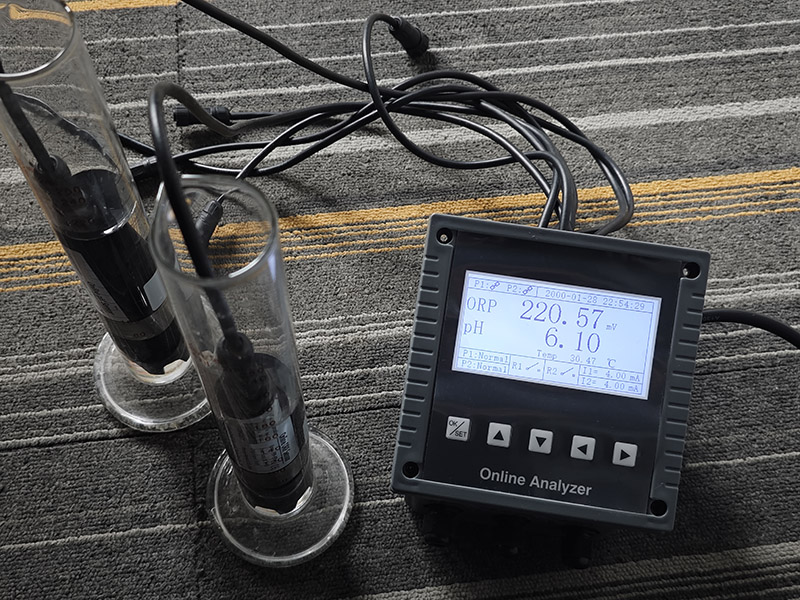
A pH sensor is a critical tool in laboratories, industrial processes, water treatment, and other applications where accurate pH measurement is essential. Ensuring that a sensor performs reliably over time requires proper care, maintenance, and routine calibration. Extending the life of a pH sensor not only improves measurement accuracy but also reduces replacement costs and downtime.
Proper maintenance begins with understanding the function of the device. A pH sensor measures the hydrogen ion concentration in a solution and converts this chemical information into an electrical signal. Over time, exposure to harsh chemicals, extreme temperatures, or improper storage can degrade the sensor’s components, leading to drift or inaccurate readings.
One of the most effective ways to ensure consistent performance is by using a pH sensor correctly and following manufacturer-recommended procedures. This includes careful handling, regular calibration, and monitoring for signs of wear. Understanding how the sensor works can guide proper usage and prevent common errors that shorten its lifespan.
Residue buildup on the glass membrane or reference junction can significantly affect sensor performance. Regular cleaning is essential, especially when measuring solutions that contain proteins, oils, or other contaminants. Use appropriate cleaning solutions recommended by the manufacturer, such as mild detergents or specific electrode cleaning agents, and rinse thoroughly with distilled water after cleaning.
Avoid using abrasive materials or harsh chemicals that could damage the glass membrane. For stubborn deposits, soak the sensor as directed rather than scrubbing it, ensuring the sensitive surface remains intact. Routine cleaning not only improves accuracy but also prevents premature sensor failure.
Frequent calibration is crucial to maintain the accuracy of a pH sensor. Calibration aligns the sensor’s electrical response with known buffer solutions, compensating for drift and environmental factors. Most sensors benefit from a two-point or three-point calibration method, depending on the required measurement range.
In addition to calibration, regular checks for response time and stability can indicate potential issues. A sensor that responds slowly or produces unstable readings may need cleaning, recalibration, or replacement. By proactively addressing these signs, operators can prevent more serious problems and extend the sensor’s operational life.
Storage plays a vital role in maintaining a pH sensor. Many sensors require the glass membrane to remain hydrated when not in use. Storing the sensor dry or in unsuitable solutions can damage the membrane, causing inaccurate readings or complete sensor failure. Always use the recommended storage solution and follow manufacturer guidelines regarding temperature and handling.
For sensors used intermittently, consider keeping them in a protective storage cap filled with storage solution. This prevents dehydration and contamination while prolonging the sensor’s readiness for use.
Careful handling during installation and use is essential for maintaining a pH sensor. Avoid dropping the sensor or applying excessive force to connectors, which can damage delicate internal components. When inserting the sensor into process systems, ensure proper placement and avoid direct contact with abrasive or corrosive surfaces.
Additionally, avoid exposing the sensor to extreme pH ranges beyond its specified limits for extended periods. While some sensors are designed to tolerate aggressive chemicals, continuous exposure can shorten their lifespan and reduce measurement accuracy.
Keeping a log of sensor usage, calibration history, and environmental conditions can help identify patterns that affect performance. High-temperature or high-conductivity environments, for example, can accelerate wear. Understanding how operational conditions impact the sensor allows users to adjust maintenance schedules and anticipate replacement needs.
Maintaining and extending the life of a pH sensor requires consistent attention to cleaning, calibration, storage, and proper handling. By following best practices and understanding the operational requirements of the sensor, users can ensure accurate and reliable measurements over an extended period. Investing time in proper maintenance reduces downtime, improves process efficiency, and maximizes the return on equipment investment.
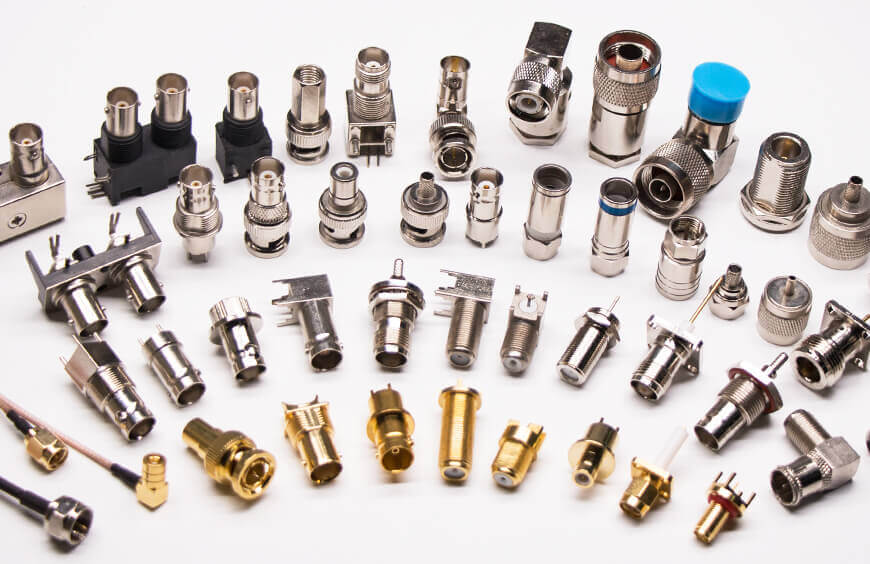
In the modern electronics and telecommunications industries, RF (R...

Cockroaches are one of the most common household pests in Singapor...

Portion control makes the children see the line between being hungry and overeating. Parents can ach...
September 20, 2025
Admin
The Role of Portion Control in Building Healthy Eating Habits for Children