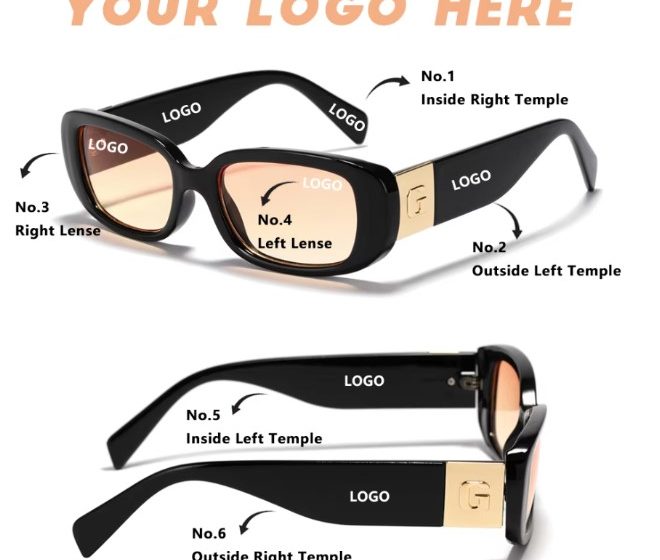

A clear manufacturing specification gives an eyewear supplier the technical information needed to turn your concept into a consistent finished product. It reduces confusion around dimensions, materials, colors, lenses, branding, packaging, and other details that affect production.
Before sending your requirements to a custom sunglasses manufacturer, organize the information into a structured specification. A well-prepared document helps the manufacturer understand exactly what you expect and gives your team a reference point when reviewing samples and finished products.
Start With the Basic Product Information
Begin your specification with the essential information about the sunglasses. Give each design a unique product name or reference number so everyone can identify it easily.
Include the intended collection, model name, version number, and date of the specification. Version tracking becomes especially useful when you make changes during the sampling stage.
A simple identification system prevents older specifications from getting mixed with updated versions.
Provide Detailed Frame Dimensions
Frame measurements play a major role in both appearance and fit. Avoid relying only on sketches or photographs when precise measurements matter.
Your specification may include:
- Lens width
- Bridge width
- Temple length
- Overall frame width
- Lens height
- Frame thickness
- Temple dimensions
Use a consistent measurement system throughout the document. Technical drawings with clearly marked dimensions can provide additional clarity.
Specify the Frame Material
State exactly what material you want for each frame component. Material selection affects the product’s appearance, weight, flexibility, durability, and manufacturing requirements.
Also identify any preferences for surface texture or finish. A manufacturer may recommend alternatives when a particular material does not suit the proposed design.
Discuss substitutions before production rather than allowing materials to change without approval.
Describe the Frame Shape and Construction
A product specification should communicate the physical characteristics of the frame. Include drawings or reference images when the shape contains unusual details.
Explain features such as curved fronts, thick temples, decorative elements, cutouts, or other distinctive construction details.
The more specific the design, the more useful detailed visual references become.
Define Lens Requirements
Lens information deserves its own section because lenses influence both the appearance and functional characteristics of the sunglasses.
Specify the lens shape, dimensions, color, tint, finish, and any other required characteristics. Mention additional requirements relevant to your target market where applicable.
Make sure the lens specifications correspond with the frame measurements to prevent fitting problems during assembly.
Include Color References
Color descriptions such as “dark brown” or “light blue” may leave room for interpretation. Whenever possible, provide standardized color references or physical samples.
List colors separately for the frame, temples, lenses, logos, and other visible components.
This approach helps maintain consistency between the approved sample and the final production batch.
Add Hinge and Hardware Details
Small components can have a noticeable effect on the finished sunglasses. Your specification should identify the required hinge style and other hardware where these details matter to the design.
Mention preferences for nose pads, screws, decorative components, and other hardware.
Providing these details early gives the manufacturer enough information to determine suitable production methods.
Explain Branding Requirements
Your specification should show exactly where and how your brand identity should appear.
Include:
- Logo artwork
- Logo dimensions
- Placement
- Orientation
- Branding method
- Color requirements
- Any markings or text
Attach the correct artwork files and clearly identify the approved version. This reduces the chance of errors during sampling or production.
Detail Packaging Requirements
Packaging forms part of the complete product specification, especially for brands selling customized collections.
List the packaging components you require, such as cases, boxes, cleaning cloths, labels, inserts, or other materials.
Include dimensions, materials, colors, artwork, and branding instructions where applicable. Clear packaging specifications help the manufacturer understand the complete order rather than only the sunglasses themselves.
State Quality Expectations
Quality requirements should appear in the specification rather than remain informal expectations.
Explain which product characteristics require particular attention. These may include frame alignment, surface finish, color consistency, lens installation, hinge operation, and branding accuracy.
You can also establish how samples should compare with the approved reference before bulk production begins.
Include Tolerance Requirements
Manufacturing involves small variations, so brands should identify acceptable tolerances for important dimensions and characteristics.
For example, frame measurements may require defined limits to maintain consistency across production units.
The manufacturer can help determine practical tolerances based on the design and production method. Agree on these details before approving the final specification.
Add Sample Approval Instructions
Make it clear that the production sample requires approval before bulk manufacturing begins.
Identify who within your organization has authority to approve the sample and how approval should be recorded.
This creates a clear checkpoint between development and production. It also reduces uncertainty when revisions become necessary.
Mention Order Quantity and Variations
Tell the manufacturer how many units you expect to order and how many variations the collection includes.
A specification should identify different frame colors, lens combinations, sizes, or other versions separately.
This information helps the supplier understand the scope of the project and prepare an appropriate quotation and production plan.
Include Relevant Market Requirements
Sunglasses sold in different markets may need to meet specific regulatory, testing, labeling, or documentation requirements.
Identify your target sales markets and discuss applicable requirements with the manufacturer before production.
Do not assume that one specification automatically meets every market requirement. Confirm the details that apply to your intended distribution regions.
Use Visual References Where Words Fall Short
Written descriptions provide important information, but visual references can clarify complex design features.
Include technical drawings, annotated images, color references, logo artwork, and sample photographs when appropriate.
Mark important areas directly on drawings when a particular detail could otherwise cause confusion.
Keep the Specification Organized
A long specification does not automatically make a better specification. The goal should be clarity rather than unnecessary detail.
Organize the document into logical sections so production teams can quickly locate information. Keep measurements, artwork, materials, packaging instructions, and quality requirements easy to find.
When changes occur, update the document version instead of sending scattered instructions through multiple communication channels.
Review the Specification With Your Manufacturer
Before production begins, review the completed specification with your supplier. This gives both sides an opportunity to identify unclear requirements or technical limitations.
Eugenia Eyewear can serve as one company to research when comparing custom eyewear manufacturing options. A productive discussion with any potential supplier should cover the technical details that influence sampling, production, quality control, and delivery.
A Practical Specification Checklist
Before sending your manufacturing specification, check that it includes the following:
- Product and model information
- Frame dimensions
- Frame material
- Construction details
- Lens specifications
- Color references
- Hardware requirements
- Branding instructions
- Packaging details
- Quality expectations
- Tolerance requirements
- Sample approval process
- Order quantities
- Market-specific requirements
This checklist can help identify missing information before development starts.
Build a Specification That Leaves Little Room for Guesswork
A strong manufacturing specification acts as a shared reference between your brand and the production team. It explains what the sunglasses should look like, how they should be constructed, and which details require consistency.
Investing time in the specification stage can make sample reviews more productive and reduce avoidable misunderstandings during bulk production.
The goal is simple: give your manufacturer enough accurate information to reproduce your approved design consistently while leaving technical decisions open for discussion when necessary.