


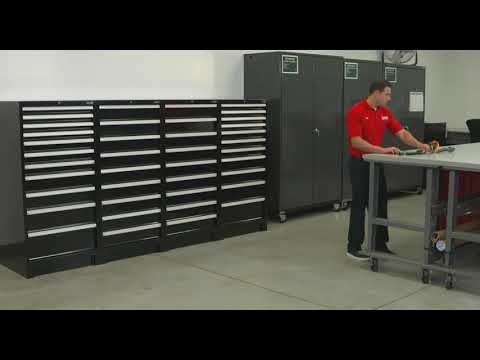

Industrial storage systems are expected to perform under demanding conditions where strength, durability, and reliability are essential. From heavy tools and machine components to sensitive instruments and documents, the choice of material directly impacts how well a storage unit performs over time. Poor material selection can lead to frequent repairs, reduced efficiency, and safety risks in the workplace.
An industrial drawer cabinet is designed specifically for high-performance environments, and its effectiveness depends heavily on the materials used in its construction. An industrial drawer cabinet must combine strength, stability, and resistance to wear to ensure long-term usability in workshops, factories, warehouses, and other industrial settings.
Table of Contents
ToggleWhy Material Selection Matters in Industrial Storage
The materials used in industrial drawer cabinets determine their load capacity, durability, resistance to corrosion, and overall lifespan. In high-usage environments, storage units are frequently exposed to heavy weights, friction, dust, moisture, and sometimes chemicals.
Choosing the right materials ensures that the cabinet maintains structural integrity and continues to function smoothly under pressure. It also reduces maintenance costs and improves workplace safety by preventing structural failures.
Steel: The Backbone of Industrial Storage
Steel is the most widely used material in high-performance industrial drawer cabinets due to its exceptional strength and durability. It can withstand heavy loads without bending or warping, making it ideal for storing tools, mechanical parts, and industrial equipment.
Cold-rolled steel is especially popular because it offers enhanced strength and a smooth surface finish. When treated with protective coatings such as powder coating or galvanization, steel becomes highly resistant to rust and corrosion.
This makes steel-based cabinets suitable for long-term use in harsh industrial environments.
Stainless Steel for Corrosion Resistance
In environments where moisture, chemicals, or hygiene are concerns, stainless steel is often preferred. It offers excellent resistance to rust and staining, making it suitable for laboratories, food processing units, and medical facilities.
Stainless steel maintains its appearance and structural strength even after prolonged exposure to challenging conditions. Although it is more expensive than standard steel, its longevity and low maintenance requirements make it a cost-effective option in the long run.
Aluminum for Lightweight Applications
Aluminum is another material used in industrial drawer systems, especially where weight reduction is important. While not as strong as steel, aluminum offers a good balance of durability and portability.
It is resistant to corrosion and performs well in environments where cabinets need to be moved frequently or installed in mobile workstations. Aluminum cabinets are often used in technical workshops and specialized industrial setups.
Engineered Wood in Hybrid Designs
Although metal dominates industrial storage, engineered wood is sometimes used in hybrid cabinet designs for non-heavy-duty applications. Materials such as plywood and MDF can be used for drawer panels or interior compartments.
These materials offer cost advantages and design flexibility but are generally limited to lighter loads. When combined with metal frames, they can create functional storage solutions for office-industrial hybrid environments.
High-Quality Drawer Slides and Hardware
Beyond the main structure, hardware components play a crucial role in performance. Heavy-duty steel slides, ball-bearing mechanisms, and reinforced handles ensure smooth operation even under heavy loads.
Low-quality hardware can reduce the efficiency of even the strongest cabinet, leading to misalignment or operational failure. Therefore, industrial-grade fittings are essential for maintaining long-term performance.
Protective Coatings and Surface Treatments
Surface treatments are critical for extending the lifespan of industrial drawer cabinets. Powder coating is one of the most common finishes, providing resistance against scratches, rust, and chemical exposure.
Other treatments such as epoxy coatings and galvanization further enhance durability, especially in environments exposed to moisture or industrial chemicals.
These coatings not only protect the structure but also improve aesthetic appeal and ease of cleaning.
Balancing Cost and Performance
Selecting materials for industrial drawer cabinets often involves balancing performance requirements with budget constraints. While premium materials like stainless steel offer superior durability, they may not be necessary for all applications.
Steel with protective coating provides a practical middle ground for most industrial environments. Understanding operational needs helps in choosing the most cost-effective material combination.
Conclusion
Material selection is one of the most important factors in determining the performance and lifespan of industrial storage systems. From steel and stainless steel to aluminum and engineered components, each material offers specific advantages depending on the application.
A well-designed industrial drawer cabinet built with high-quality materials ensures durability, safety, and long-term efficiency. By choosing the right combination of materials, industries can achieve reliable storage solutions that support smooth and productive operations.


