Outdoor signage plays a crucial role in modern branding, helping businesses attract attention, communicate identity, and remain visible in competitive environments. Over time, neon-style signage has evolved significantly, shifting from traditional glass-based construction to more advanced LED technologies. This evolution has changed how businesses approach design, durability, and energy efficiency.
Today, companies evaluating illuminated signage often compare traditional glass neon with modern alternatives to determine which option best suits their needs. A well-designed custom outdoor neon sign can now be created using either technology, but the differences between them are important for long-term performance and practicality.
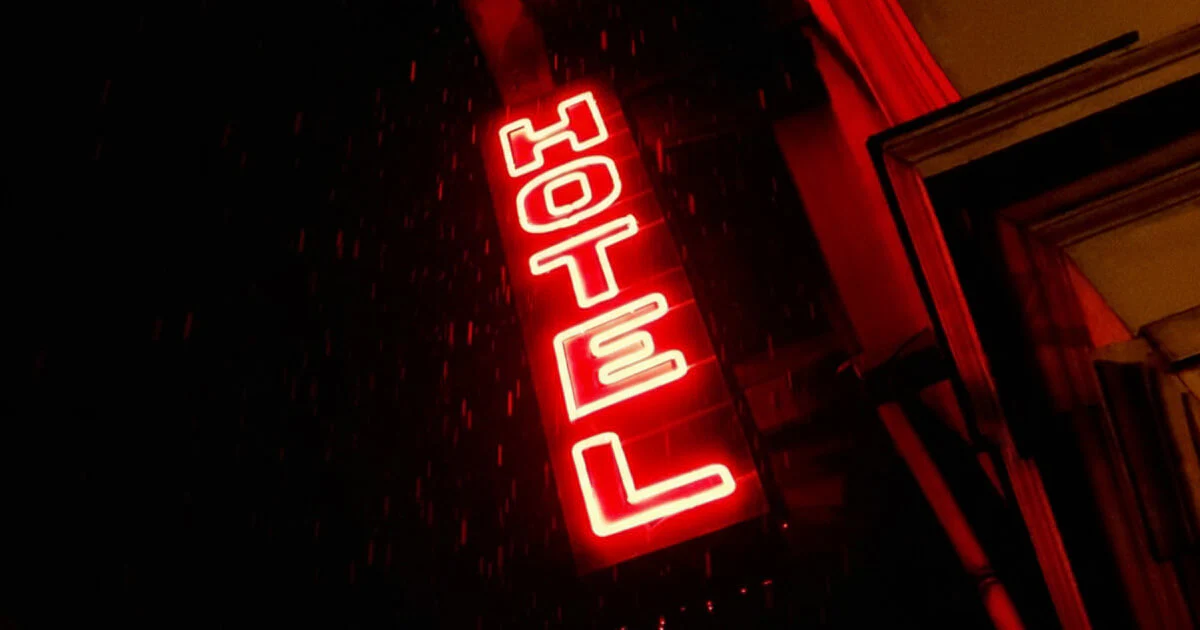
Glass neon signage is the traditional form of illuminated advertising that uses gas-filled glass tubes to produce light. When an electrical current passes through the gas, it creates a glowing effect that has been widely used for decades in commercial signage.
One of the main advantages of glass neon is its distinctive visual appeal. It produces a warm, continuous glow that many people associate with classic signage aesthetics. This makes it popular for artistic or retro-style branding.
However, glass neon is fragile and requires careful handling. The glass tubes can break easily, and repairs often require specialized technicians. It also consumes more energy compared to modern alternatives and may require higher maintenance over time.
Overview of LED Neon Technology
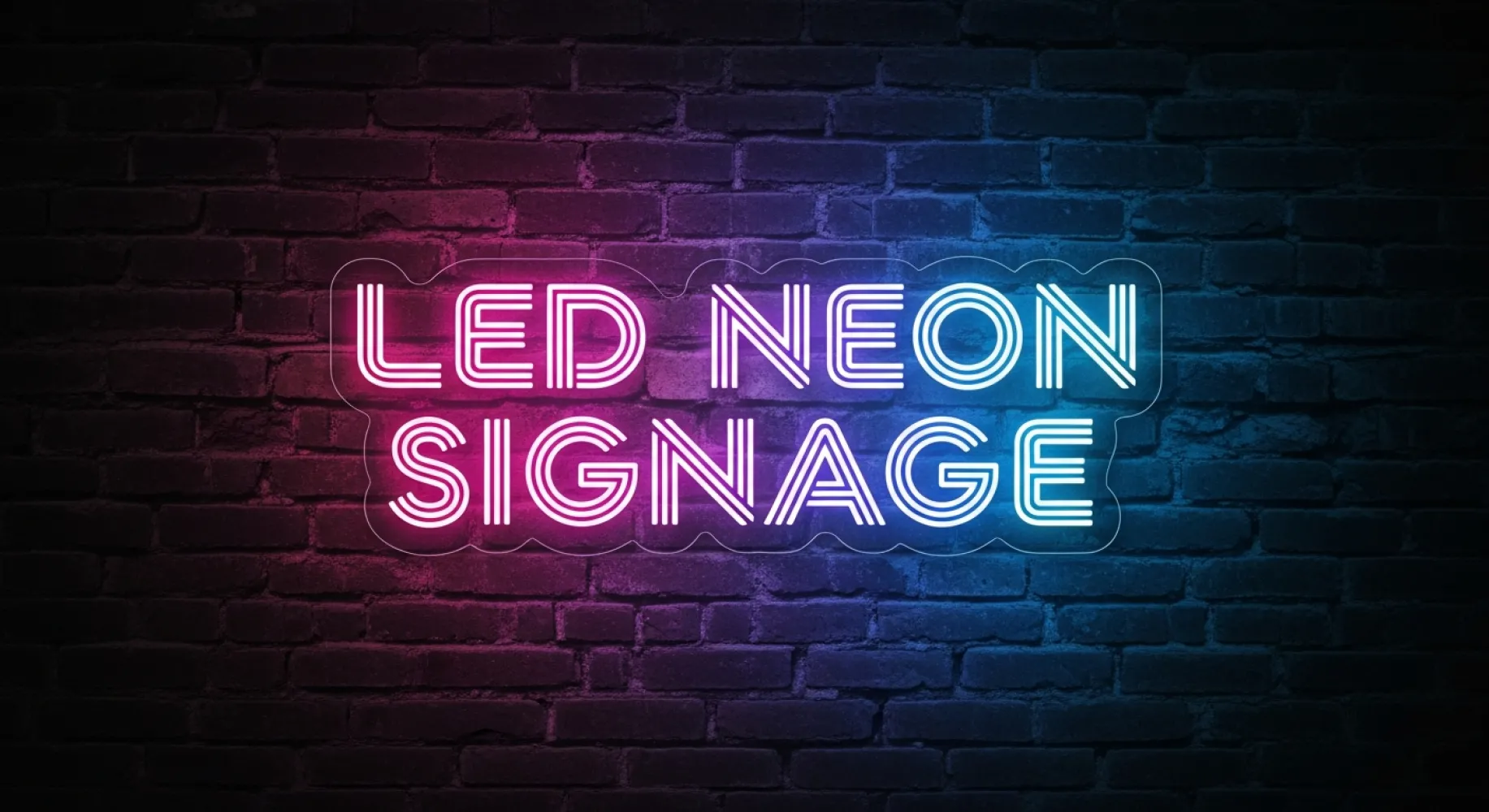
LED-based neon signage is a modern alternative that uses flexible LED strips encased in silicone or PVC tubing. This design replicates the appearance of traditional neon while offering significantly improved durability and efficiency.
LED neon is widely used in outdoor applications because it is lightweight, flexible, and resistant to environmental conditions. It can be shaped into complex designs more easily than glass, allowing for greater creative freedom in branding.
Additionally, LED systems consume less energy and generate less heat, making them more cost-effective and safer for long-term use.
Durability and Safety Comparison
When comparing durability, LED neon clearly offers a stronger advantage. Glass neon tubes are fragile and prone to damage from impact, vibration, or extreme weather conditions. This makes them less suitable for high-traffic outdoor environments.
LED neon, on the other hand, is designed with protective casing and flexible materials that can withstand physical stress. It is also more resistant to weather conditions such as rain, dust, and temperature fluctuations.
From a safety perspective, LED systems operate at lower voltage and produce less heat, reducing the risk of breakage or overheating. This makes them a more reliable option for long-term outdoor installations.
Energy Efficiency and Operating Costs
Energy consumption is another key difference between the two technologies. Glass neon requires higher voltage and continuous energy input, which can result in higher electricity costs over time.
LED neon is significantly more energy-efficient, converting most of its power into light rather than heat. This allows businesses to maintain bright signage while reducing operational expenses.
Over the long term, LED technology provides substantial savings, especially for businesses that keep signage illuminated for extended hours.
Design Flexibility and Customization
Glass neon is limited in terms of design flexibility due to its rigid structure. Complex shapes require skilled craftsmanship and can be difficult to modify once created.
LED neon offers far greater flexibility. It can be bent into intricate shapes, customized in various colors, and adapted to different branding styles with ease. This makes it ideal for modern businesses that require dynamic and creative signage solutions.
This flexibility also allows for faster production times and easier design adjustments.
Maintenance and Longevity
Maintenance is an important consideration for outdoor signage. Glass neon systems often require frequent repairs due to their fragile nature. Tube replacements and gas refilling may also be necessary over time.
LED neon systems require much less maintenance. Their solid-state construction reduces the risk of failure, and individual components can be replaced more easily if needed.
In terms of lifespan, LED neon generally lasts longer under consistent usage conditions, making it a more practical long-term investment.
Visual Appearance and Branding Impact
Both technologies offer strong visual appeal, but in different ways. Glass neon provides a classic, nostalgic glow that is often associated with vintage aesthetics and artistic displays.
LED neon delivers a cleaner, sharper illumination that is more suited to modern branding. It offers consistent brightness and color accuracy, which helps maintain a professional appearance across different environments.
Businesses often choose based on their brand identity and desired visual style.
Conclusion
Both glass and LED neon technologies have their own strengths, but they serve different purposes in modern signage applications. Glass neon remains valued for its traditional aesthetic, while LED neon offers superior durability, efficiency, and flexibility.
For most modern businesses, LED-based solutions provide a more practical and cost-effective option without compromising visual impact. A well-crafted custom outdoor neon sign using LED technology delivers long-term performance, energy savings, and strong branding potential, making it a preferred choice for today’s competitive business environment.