Bed bugs are small, elusive pests that can cause big problems for homeowners and tenants alike. Their bites can result in itchy welts, allergic reactions, and even psychological stress. While infestations are often associated with hotels or shared accommodations, bed bugs can invade any home if preventive measures are not taken. Being proactive and informed about prevention strategies is the most effective way to protect your living spaces.
Implementing professional bed bug prevention measures early can minimize the risk of infestations and ensure a safer, healthier environment. Understanding their habits, identifying potential risks, and applying preventive techniques are key to keeping these pests at bay.
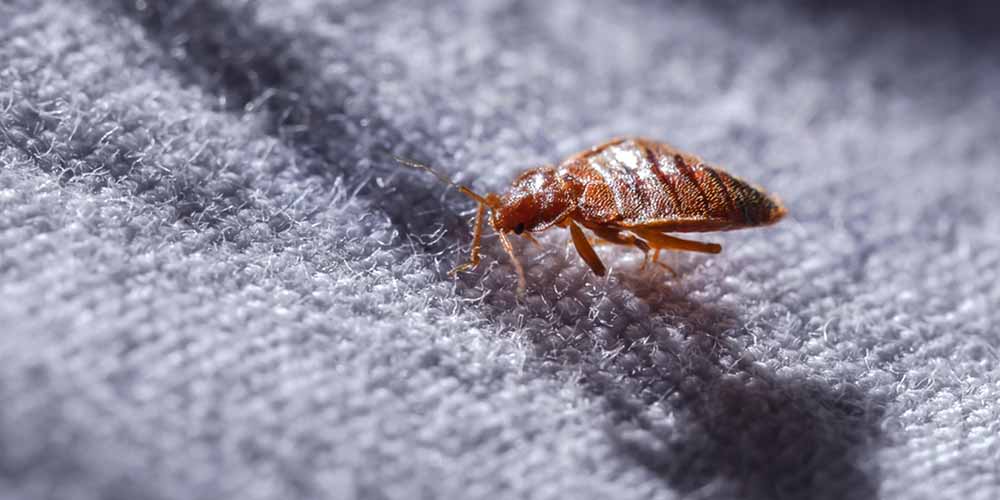
Bed bugs are nocturnal insects that feed on human and animal blood. They are tiny, flat, and reddish-brown, making them difficult to detect in early stages. Bed bugs often hide in mattresses, bed frames, furniture joints, cracks in walls, and even behind wallpaper.
Although bed bugs are not known to transmit diseases, their bites can cause significant discomfort. Common symptoms include:
Red, itchy welts on the skin
Allergic reactions in sensitive individuals
Secondary infections from scratching
Sleep disturbances and stress
Infestations can quickly spread throughout a home if left unchecked, emphasizing the importance of preventive measures.
Bed bugs are excellent hitchhikers and can enter homes through:
Second-hand furniture or mattresses
Luggage after travel
Clothing or personal items from infested areas
Shared living spaces, such as dormitories or offices
Identifying potential entry points helps in implementing effective prevention strategies.
Preventing bed bugs requires a combination of vigilance, sanitation, and proactive measures.
Inspecting sleeping areas, furniture, and commonly used spaces regularly is the first step in prevention. Look for:
Tiny blood spots on sheets or mattresses
Shed exoskeletons or eggs
Live insects in mattress seams, cracks, or furniture joints
Early detection can prevent minor issues from developing into full-scale infestations.
Maintaining a clean and organized environment discourages bed bug activity. Key steps include:
Regular vacuuming of floors, mattresses, and furniture
Washing bed linens, curtains, and clothing in hot water
Decluttering areas where bed bugs can hide
Sealing laundry in bags when traveling or using communal facilities
Using protective covers and barriers on mattresses and pillows can help prevent bed bugs from infesting sleeping areas. Mattress encasements designed to trap or repel bed bugs are highly effective in reducing risk.
Bed bugs can easily travel on luggage and clothing, so being cautious during travel is essential:
Inspect hotel rooms for signs of bed bugs before settling in
Keep luggage elevated off the floor or on racks
Wash and dry all clothing on high heat after returning home
Vacuum suitcases and bags after trips
Second-hand furniture, mattresses, and clothing can carry bed bugs. Ensure thorough inspection and cleaning before bringing these items indoors. Avoid bringing in items from unknown sources without proper treatment.
Bed bugs can hide in cracks and crevices within walls, furniture, and flooring. Sealing these entry points with caulk or other barriers reduces the areas where bed bugs can thrive.
Even with strict preventive measures, bed bugs can occasionally infiltrate homes. Professional pest control services provide:
Comprehensive inspection to detect hidden infestations
Safe and effective chemical and non-chemical treatments
Guidance on long-term prevention strategies
Continuous monitoring to ensure eradication
Engaging professional services early can prevent small problems from escalating and minimize potential health risks.
Prevention is an ongoing effort. Establishing routines and habits that reduce risk helps maintain a pest-free environment:
Rotate and inspect bedding and furniture periodically
Maintain cleanliness in all living areas
Educate household members about bed bug risks and behaviors
Schedule periodic professional inspections if living in high-risk areas
Bed bugs are persistent pests that can infiltrate homes, causing discomfort and stress. Taking proactive measures through bed bug prevention is the most effective approach to safeguarding your home. By understanding their behavior, recognizing risk factors, and implementing preventive strategies, homeowners can significantly reduce the chances of infestation. Combining vigilance, proper sanitation, and professional guidance ensures a safe and healthy living environment free from bed bugs.


El consumo de cerveza en México ha evolucionado hacia opciones más ...