
Personal wellness is often associated with major lifestyle changes, but small adjustments can also make everyday routines more enjoyable. Creating time to relax, improving the home environment, and exploring different wellness products are examples of ways people approach personal comfort. Light-based equipment has become part of this wider conversation, with different products offering distinct applications.
The phrase Revive Light Therapy can be associated with the broader interest in light-based wellness and personal care equipment. However, the term does not describe one universally defined medical treatment. Different products use different technologies, wavelengths, and operating methods, so understanding the equipment itself is essential before considering its suitability.
What Does Light Therapy Mean?
Light therapy is a broad term covering several approaches that use controlled exposure to particular types of light.
The intended application depends on the wavelength, intensity, duration, and equipment design.
For example, bright light therapy is commonly discussed in relation to circadian rhythms and seasonal changes in mood. Red and near-infrared light devices are associated with photobiomodulation research. Other equipment uses light or infrared radiation primarily to provide warmth.
These approaches should not be treated as interchangeable because their mechanisms and intended uses differ.
Exploring Different Light-Based Technologies
Red Light and Near-Infrared Equipment
Red and near-infrared devices have attracted interest in research involving photobiomodulation.
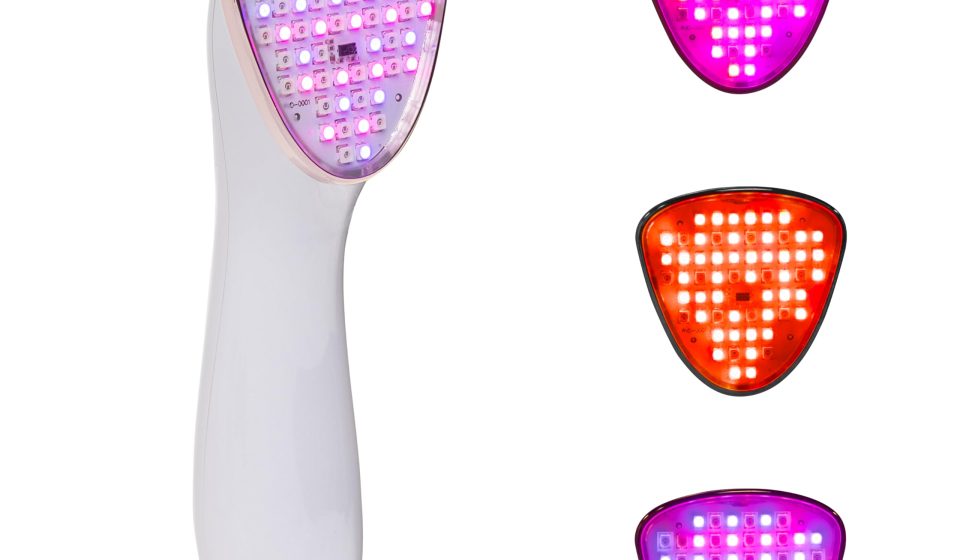
Depending on their specifications, these products may be designed for cosmetic applications or other specialized uses.
Some consumer devices are marketed for skin appearance and personal care. However, claims about medical benefits should be evaluated carefully, and results cannot be assumed to apply across every device.
Bright Light Equipment
Bright light devices are designed to provide controlled exposure to visible light.
Certain specialized products are used in discussions of circadian rhythm management and seasonal affective disorder. These applications have different requirements from cosmetic LED masks.
Anyone considering bright light equipment for a medical or sleep-related concern should seek professional guidance regarding the appropriate device and exposure schedule.
Infrared Heating Products
Some wellness products use infrared energy to deliver warmth.
These devices may be incorporated into relaxation settings, but their primary function and safety requirements differ from those of visible-light equipment.
Why People Explore Light-Based Wellness Products
There are several practical reasons consumers become interested in this category.
Home convenience: Many consumer devices are designed for use in familiar surroundings, reducing the need to arrange appointments for ordinary personal care activities.
Different product formats: Light-based equipment is available as panels, wearable masks, compact devices, and specialized lamps.
Personalized routines: Adjustable settings may allow users to select different operating modes, depending on the equipment.
Interest in modern technology: People who enjoy exploring new wellness products may appreciate understanding how different light technologies work.
These advantages relate mainly to convenience and product design. They should not be interpreted as evidence that every light-based device delivers a particular health benefit.
What to Look for When Selecting a Device
Start by identifying the actual purpose of the product. A facial LED mask, infrared heating device, and bright light lamp are designed for different applications.
Once the intended use is clear, examine the manufacturer’s technical information.
Important details include:
- Wavelength range and light output.
- Recommended exposure distance and duration.
- Available intensity or temperature settings.
- Eye protection requirements.
- Automatic shut-off and temperature controls.
- Electrical safety information.
- Warranty and maintenance instructions.
Be cautious about products that advertise broad medical benefits without explaining their technology or providing appropriate supporting information.
Creating a Relaxing Routine Around Light Equipment
If a device is suitable for your intended purpose, incorporate it into a simple schedule.
Choose a comfortable environment, follow the operating instructions, and avoid increasing exposure beyond recommended limits.
You can combine an appropriate wellness session with other relaxing activities, such as reading, listening to music, or taking time away from screens.
Remember that light-based equipment is only one possible part of personal wellness. Regular physical activity, adequate sleep, balanced nutrition, and appropriate medical care remain important.
Safety Should Always Come First
Different light technologies have different precautions.
People with photosensitivity, relevant eye conditions, or medications that increase sensitivity to light should consult a healthcare professional before using certain devices.
Infrared heating equipment also requires care because excessive exposure or high temperatures may cause burns.
If a product causes discomfort, irritation, or an unusual reaction, discontinue use and seek appropriate advice.
Making an Informed Choice About Light Therapy
Exploring light-based wellness products can introduce consumers to interesting technologies and different approaches to personal care. However, the most important step is understanding what a particular device actually does.
Compare technical specifications, examine realistic applications, and distinguish cosmetic relaxation products from equipment intended for specialized therapeutic use.
With careful selection, sensible expectations, and responsible operation, light-based products can be explored as optional additions to an everyday wellness routine.