


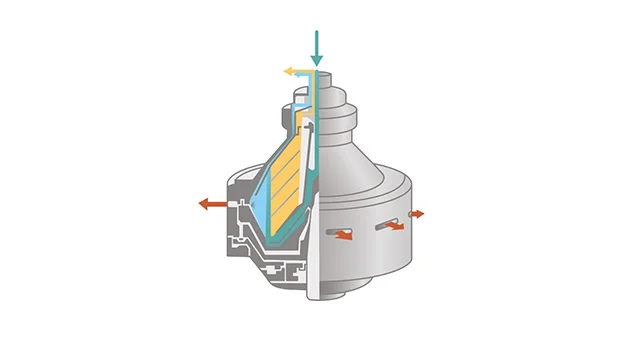

Selecting the right centrifuge separator is a critical decision for any industrial operation that relies on efficient solid-liquid separation. Whether for wastewater treatment, chemical processing, food and beverage production, or oil and gas applications, choosing the appropriate centrifuge affects not only process efficiency but also operational costs, maintenance requirements, and overall productivity. Understanding the key factors that influence the performance and suitability of a centrifuge separator is essential for making an informed investment.
Table of Contents
ToggleUnderstanding the Application Requirements
The first factor to consider when selecting a centrifuge separator is the specific application and the type of feed material it will process. Different industries handle various mixtures with unique properties, such as viscosity, particle size, solids concentration, and chemical composition. For instance, wastewater treatment applications may involve sludge with high moisture content, while chemical processes might require separation of fine particles from viscous liquids. Identifying the characteristics of the feed material ensures that the centrifuge is designed to handle it effectively. For industries seeking a reliable and efficient solution, a Centrifuge Separator designed to accommodate specific material properties can optimize separation efficiency and maintain consistent product quality.
Throughput and Capacity
Throughput, or the volume of material a centrifuge can process per hour, is another critical factor. Selecting a machine with appropriate capacity ensures that production targets are met without causing bottlenecks. Undersized centrifuges may struggle to process the required volume, leading to reduced efficiency, increased downtime, or the need for multiple units. Oversized machines, on the other hand, may result in unnecessary energy consumption and higher capital costs. Manufacturers should evaluate expected throughput under normal operating conditions and choose a centrifuge separator that balances efficiency with operational demands.
Separation Efficiency
Separation efficiency is a key determinant of performance in any centrifuge separator. It refers to the machine’s ability to effectively separate solids from liquids while minimizing residual solids in the liquid phase. Factors influencing separation efficiency include bowl diameter and length, rotational speed, differential speed between the bowl and conveyor, and residence time of the feed material. Machines with higher separation efficiency reduce the need for additional processing, decrease waste disposal costs, and improve the quality of both the liquid and solid outputs. Evaluating a centrifuge’s efficiency under real operational conditions ensures that it meets the desired separation requirements.
Material Construction and Durability
The durability of a centrifuge separator depends on the materials used in its construction and the quality of engineering. Machines exposed to abrasive, corrosive, or high-temperature materials require robust components made from stainless steel or specialized alloys. High-quality bearings, precision-balanced rotors, and wear-resistant surfaces help extend service life and minimize maintenance. Durable construction ensures consistent performance, reduces downtime, and lowers long-term operational costs. Evaluating the materials and design features of a centrifuge separator is therefore essential when making a purchasing decision.
Automation and Monitoring Features
Modern centrifuge separators often include automation and monitoring technologies that enhance performance and operational control. Features such as programmable logic controllers (PLCs), real-time sensors, and automated feed rate adjustments allow operators to optimize separation parameters dynamically. Predictive maintenance capabilities alert operators to potential issues before they lead to downtime, ensuring continuous operation and reducing repair costs. When choosing a centrifuge separator, considering the level of automation and control it offers can improve both efficiency and reliability.
Energy Consumption
Energy efficiency is an important factor, particularly for continuous or high-volume operations. Variable frequency drives, optimized motor systems, and energy-efficient designs help minimize electricity usage without compromising separation performance. Energy-efficient centrifuge separators not only reduce operational costs but also support sustainability goals, making them a practical choice for industries aiming to lower their carbon footprint.
Maintenance and After-Sales Support
Ease of maintenance and availability of after-sales support should be considered when selecting a centrifuge separator. Machines designed for easy access to critical components reduce downtime during cleaning or part replacement. Additionally, manufacturers offering technical support, training, and spare parts availability help ensure that the equipment continues to operate reliably over its service life. Evaluating maintenance requirements and support services is critical to achieving long-term operational efficiency.
Conclusion
Choosing the right centrifuge separator involves careful consideration of application requirements, throughput, separation efficiency, durability, automation features, energy consumption, and maintenance support. Selecting a machine that aligns with these factors ensures optimal performance, reduced operational costs, and reliable long-term operation. By thoroughly evaluating these elements and partnering with a reputable manufacturer, industries can maximize the benefits of their centrifuge separator, enhance production efficiency, and achieve sustainable operational outcomes.


