
BUSINESS
Flatbed Die Cutter: The Technology Behind Precision Packaging and Print Finishing
Walk through any supermarket, electronics store, or e-commerce warehouse, and you'll see thousands o...
Walk through any supermarket, electronics store, or e-commerce warehouse, and you’ll see thousands of products packaged in carefully designed boxes. Most people notice the branding and graphics, but few think about the machinery responsible for creating those perfectly cut shapes and folds.
For many manufacturers, a flatbed die cutter is the equipment that transforms printed sheets into professional packaging. From luxury cartons to heavy-duty corrugated boxes, this technology plays a major role in modern production lines where quality and consistency matter.
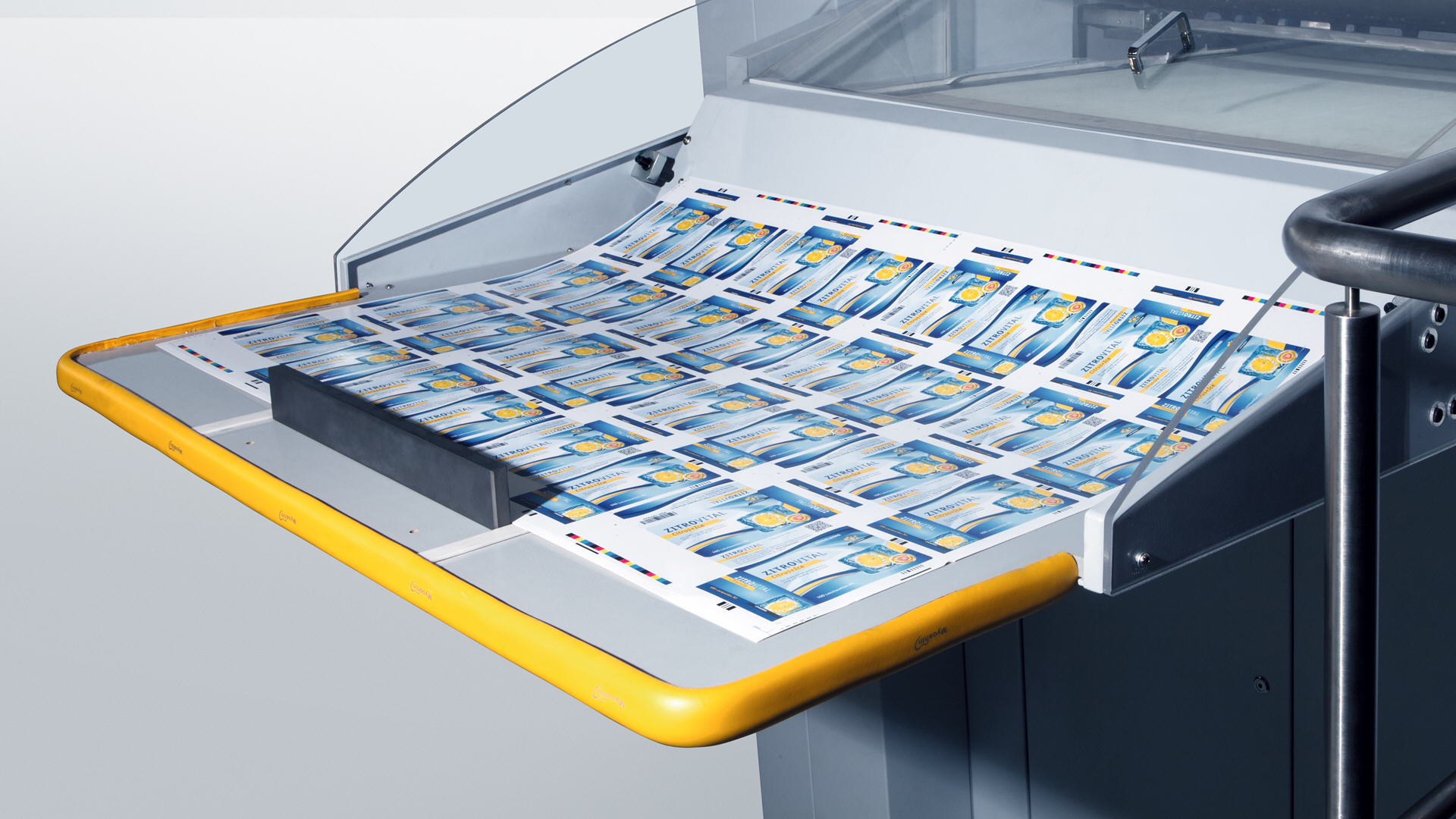
Flatbed die cutting is a manufacturing process used to cut, crease, emboss, and perforate materials with precision. The system uses a custom die mounted on a flat surface, which presses against a sheet of material to create the desired shape.
Unlike rotary die cutting systems that operate with cylindrical dies, flatbed machines apply pressure vertically. This design allows for highly detailed cuts and strong creasing performance, making it particularly useful for packaging applications.
The process is widely used in:
Because of its flexibility, it remains one of the most trusted converting methods across multiple industries.
Packaging is often the first thing customers notice about a product.
A box with uneven cuts, poor folds, or inconsistent dimensions can negatively affect how a brand is perceived. Even minor imperfections can create assembly problems during production.
Precision cutting helps businesses achieve:
In highly competitive markets, these benefits can make a noticeable difference.
Although the technology has evolved significantly over the years, the basic process remains straightforward.
Everything begins with a packaging design created using specialized CAD software. Engineers determine cutting lines, fold locations, and structural elements.
A steel-rule die is produced based on the approved design. This die acts as the cutting template.
Sheets of paperboard, cardboard, corrugated board, or other materials are fed into the machine.
The die presses against the material with controlled force. During this stage, the machine can:
Finished sheets exit the machine and move to the next production stage, such as folding, gluing, or assembly.
Manufacturers continue investing in flatbed technology because it offers advantages that are difficult to match.
One of the biggest strengths of flatbed equipment is its ability to produce detailed shapes with exceptional consistency.
This is especially important for:
Different packaging projects require different substrates.
Flatbed systems can handle:
This versatility allows manufacturers to serve multiple market segments.
Cutting is only part of the packaging process.
Boxes must also fold correctly, and strong crease lines ensure clean assembly while maintaining structural integrity.
Accurate cutting minimizes production errors and helps businesses make better use of raw materials.
Over time, this contributes to significant cost savings.
Choosing the right production technology depends on the nature of the project.
Best suited for:
Often preferred for:
Useful for:
Each method serves a different purpose, but flatbed technology continues to occupy an important position due to its balance of precision and versatility.
Many people associate die cutting exclusively with packaging, but its applications extend much further.
Manufacturers use die cutting to create attractive packaging for:
Online retail growth has increased demand for custom shipping solutions.
Brands want packaging that protects products while enhancing the customer experience.
Medicine cartons often require precise dimensions, safety features, and consistent production quality.
Commercial printers use die cutting for:
Point-of-sale displays and promotional stands often rely on die-cut components to achieve unique shapes and visual appeal.
Purchasing industrial machinery requires careful planning.
Start by evaluating:
Understanding these factors helps narrow down equipment options.
Modern systems may include:
Automation can increase efficiency while reducing labor costs.
The maximum sheet size determines the range of packaging formats that can be produced.
Businesses expecting future expansion should consider equipment with sufficient capacity.
Reliable technical support is often just as important as machine specifications.
Strong after-sales service helps minimize downtime and protect productivity.
A regional packaging company specializing in retail cartons faced growing demand from new customers.
Their existing equipment struggled with complex packaging designs, leading to slower turnaround times and increased waste.
After upgrading their production line, they achieved:
The company soon expanded into higher-value packaging projects that were previously beyond their production capabilities.
This example highlights how the right equipment can directly support business growth.
Every manufacturing process comes with challenges.
Over time, dies lose effectiveness.
Solution: Implement regular maintenance schedules and replace tooling when needed.
Misalignment between printing and cutting can create defects.
Solution: Use automated registration systems and perform routine calibration checks.
Different substrates behave differently during production.
Solution: Test materials before large production runs and adjust machine settings accordingly.
Human error remains a common cause of production problems.
Solution: Invest in comprehensive training and standard operating procedures.
The packaging industry continues to evolve alongside advances in manufacturing technology.
Several trends are shaping the future of die cutting:
These innovations help manufacturers improve productivity while maintaining quality standards.
As consumer expectations continue to rise, packaging producers will increasingly rely on advanced equipment to meet demanding requirements.
Flatbed die cutting remains a cornerstone of modern packaging and print finishing operations. Its combination of precision, flexibility, and material compatibility makes it an ideal solution for businesses producing cartons, corrugated packaging, retail displays, and specialty products.
Whether you are expanding an existing production facility or evaluating new equipment for the first time, understanding how this technology works can help you make informed decisions. The right machine not only improves efficiency but also supports product quality, customer satisfaction, and long-term business growth.
In a market where presentation and performance both matter, investing in reliable die cutting technology can be a practical step toward stronger production results and greater operational success.


El consumo de cerveza en México ha evolucionado hacia opciones más ...

Walk through any supermarket, electronics store, or e-commerce warehouse, and you'll see thousands o...BUSINESS
May 31, 2026
Admin
Flatbed Die Cutter: The Technology Behind Precision Packaging and Print Finishing