



Weather monitoring is a vital component of modern environmental management, agriculture, disaster preparedness, and urban planning. Accurate weather data allows individuals and organizations to make informed decisions, anticipate changes, and mitigate risks. Among the various types of instruments used in weather monitoring, wind and rain sensors play a crucial role by providing real-time, reliable data that enhances the overall quality of weather analysis.
Weather Station Sensors include specialized devices designed to measure wind speed, wind direction, and precipitation levels. Wind and rain sensors contribute to a more complete understanding of atmospheric conditions, enabling precise forecasting and improved decision-making across multiple industries. Their integration into weather stations ensures that critical environmental data is collected continuously and accurately.
Table of Contents
ToggleThe Importance of Wind Sensors
Wind sensors, including anemometers and wind vanes, are essential for monitoring air movement and direction. Anemometers measure wind speed, typically using rotating cups or propellers, while wind vanes determine the direction from which the wind originates. Together, they provide comprehensive wind data that is valuable for weather forecasting, energy management, and safety planning.
In agriculture, wind information helps farmers protect crops from potential damage caused by strong gusts. It also informs the application of pesticides and fertilizers, ensuring they are applied efficiently without drift. For urban planners and engineers, understanding wind patterns is critical when designing buildings, bridges, or transportation systems to withstand wind forces safely.
The Role of Rain Sensors
Rain sensors, or rain gauges, measure the amount of precipitation over a given period. Accurate rainfall measurement is essential for water resource management, agriculture, flood prevention, and climate studies. Rain sensors detect even small amounts of precipitation, allowing users to respond promptly to weather events.
For farmers, real-time rainfall data informs irrigation scheduling, helping conserve water while maintaining optimal soil moisture levels. In urban environments, rain data contributes to flood management and stormwater planning, ensuring that drainage systems operate effectively. Environmental researchers rely on rain sensors to study precipitation patterns and climate change impacts, providing valuable insights for policy and planning.
Enhancing Weather Forecast Accuracy
Integrating wind and rain sensors into weather stations significantly improves forecast accuracy. Meteorologists use wind speed, direction, and precipitation data to model atmospheric conditions more precisely. These inputs help predict storm paths, rainfall intensity, and potential flooding events, allowing authorities to issue timely warnings.
Accurate wind and rain data also enhance predictive analytics for agriculture, renewable energy, and outdoor event planning. For example, wind energy companies can optimize turbine placement and energy production based on consistent wind monitoring, while agricultural managers can plan crop protection measures according to rainfall forecasts.
Real-Time Monitoring and Alerts
One of the key advantages of wind and rain sensors is their ability to provide real-time data. Continuous monitoring ensures that sudden weather changes, such as heavy rainfall or strong winds, are detected immediately. Automated alerts can be triggered when thresholds are exceeded, allowing for rapid response to minimize damage or risk.
In disaster-prone areas, real-time wind and rain data can be critical in mitigating hazards. Early warnings for storms, hurricanes, or flash floods give communities and emergency services valuable time to prepare and protect lives and property. For agricultural operations, this data prevents crop losses and ensures efficient use of resources.
Durability and Reliability
Wind and rain sensors are exposed to harsh outdoor conditions, including storms, extreme temperatures, and heavy precipitation. High-quality sensors are designed to withstand these challenges while maintaining accurate readings. Durable materials and protective housings prevent damage and sensor degradation, ensuring long-term reliability.
Reliable sensors reduce maintenance requirements and minimize downtime. For installations in remote locations, this durability is especially important, as it ensures continuous monitoring without frequent intervention.
Integration with Weather Systems
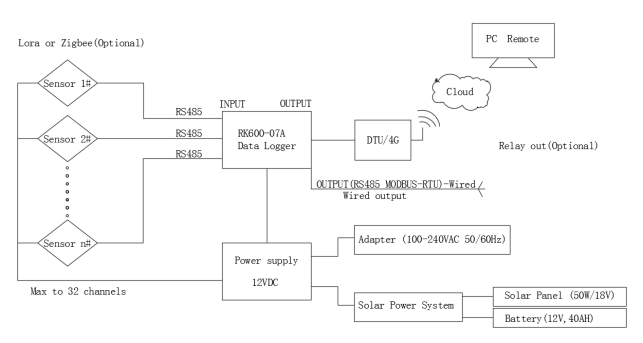
Modern weather stations integrate wind and rain sensors with digital platforms and data logging systems. This integration allows for automated data collection, remote monitoring, and trend analysis over time. Users can access real-time information from cloud-based systems, mobile applications, or desktop platforms, enhancing the practical utility of the sensors.
Connected sensors also support long-term environmental studies, helping researchers track climate patterns, precipitation trends, and wind behavior over months or years. This data contributes to more accurate models and a better understanding of local and global weather conditions.
Applications Across Industries
Wind and rain sensors have diverse applications across multiple sectors. In agriculture, they support crop management and irrigation planning. In urban planning, they aid in flood control and infrastructure design. In renewable energy, wind monitoring optimizes turbine efficiency. Additionally, emergency management agencies rely on wind and rain data for disaster preparedness, and researchers use it for climate studies and environmental monitoring.
Conclusion
Wind and rain sensors are essential components of modern weather stations, providing accurate, real-time data that enhances weather analysis. Their role in improving forecast accuracy, enabling rapid response, and supporting multiple industries cannot be overstated. By integrating reliable wind and rain sensors, weather stations deliver comprehensive environmental data that informs decisions, mitigates risks, and supports sustainable management of natural and urban resources. Accurate monitoring of these parameters ensures that weather analysis is precise, actionable, and valuable for both short-term and long-term planning.


