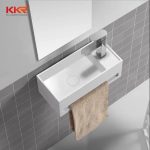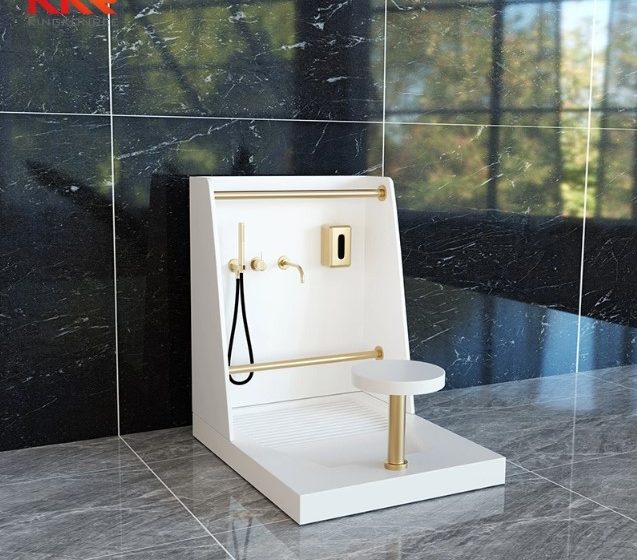

A suitable wudu area makes daily ablution more comfortable for everyone in the household. Families need a basin that offers enough room for washing, keeps water contained, and fits the available bathroom space. The right choice also makes cleaning easier and supports regular use by adults and children.
Choosing a Wudu basin for Muslim households involves more than selecting an attractive design. Bowl dimensions, installation height, material, drainage, and accessibility all affect how well the basin works at home. A little planning helps families choose a model that suits their daily routines and bathroom layout.
Understand Your Family’s Daily Ablution Needs
Start by considering how many people will use the basin and how often they need it. A household with several family members may need a wider washing area or more than one washing position. A smaller family may find a compact design more practical.
Think about the different needs of household members as well. Children may need easier access to the bowl, while older adults may prefer a comfortable height and enough room to move without bending too much.
The basin should support the family’s routine without making the bathroom difficult to use for other activities.
Choose The Right Basin Size
Size affects comfort, water control, and the amount of space left around the basin. A model that looks suitable in a showroom may feel cramped once installed in a smaller bathroom.
Check Available Floor And Wall Space
Measure the installation area before comparing products. Include the basin width and depth, as well as the space needed for standing, bending, and moving around it.
For wall-mounted models, check the available wall width and the position of existing plumbing. For countertop designs, measure the supporting surface and confirm that the basin will not obstruct nearby fixtures.
Consider Bowl Depth And Width
A basin needs enough internal space for comfortable hand and foot washing. A shallow bowl may allow water to splash onto the floor, while an excessively deep design may make access difficult for children or shorter users.
Look for a shape that provides useful washing space without taking up unnecessary room. The internal slope should also direct water towards the drain rather than leaving it around the edges.
Select A Comfortable Installation Height
Installation height affects how easily family members can use the basin. A position that suits one adult may feel uncomfortable for a child or an older household member.
Consider the height of the main users before finalizing the installation. Families with children may need a lower basin or a safe step designed for bathroom use. Any step should have a stable base and a non-slip surface.
For households with older adults or people with limited mobility, easy access matters more than decorative details. The surrounding area should allow comfortable movement and provide enough clearance for assistance when needed.
Compare Materials For Family Use
A household basin receives regular contact with water, soap, and cleaning products. Its material should handle everyday use without requiring complicated care.
Ceramic
Ceramic is a common bathroom material with a smooth glazed finish. It works with many interior styles and usually needs only routine cleaning with a suitable mild product.
Its main limitation is its vulnerability to strong impacts. A heavy object can chip or crack the surface, so families should take care when handling bathroom accessories nearby.
Solid Surface
Solid surface materials support different shapes and integrated basin designs. Their smooth, nonporous surfaces make routine cleaning easier, and some products allow minor surface scratches to be repaired.
Check the manufacturer’s cleaning instructions before using strong chemicals or abrasive tools. The exact care requirements depend on the material and finish.
Natural Stone
Natural stone can give a bathroom a distinctive appearance. However, some varieties need sealing and regular attention to protect against moisture and stains.
Families who prefer low-maintenance fixtures may find ceramic or solid surface options easier to manage. Stone remains an option for households willing to follow its care requirements.
Look For Effective Drainage And Water Control
Drainage deserves careful attention in a family bathroom. Water should leave the bowl without collecting around the drain or spilling onto the surrounding floor.
Check these features before choosing a model:
- Drain position: The outlet should sit at a suitable low point in the bowl.
- Basin slope: A gradual slope helps direct water towards the drain.
- Drain size: The outlet and connected pipe should support the expected water flow.
- Splash protection: Bowl depth and faucet placement should help keep water inside the basin.
- Floor drainage: The bathroom floor should direct accidental splashes towards an appropriate drain where possible.
A well-planned drainage arrangement reduces standing water and makes the area easier to keep clean. It also helps prevent slippery patches around the washing space.
Decide Between Wall-Mounted And Floor-Standing Designs
The installation style affects both appearance and everyday use. Families should compare the available space, plumbing arrangement, and cleaning needs before choosing.
Wall-Mounted Wudu Basins
Wall-mounted models keep the floor beneath the basin open. This makes it easier to clean the surrounding area and can help a compact bathroom feel less crowded.
The wall needs enough structural support for the basin and regular use. Installation should also account for concealed plumbing and the correct mounting height.
Floor-Standing Wudu Basins
Floor-standing designs rest on the floor and may include a pedestal or supporting base. They can suit bathrooms where wall mounting is difficult or where the plumbing arrangement supports a floor-based installation.
The base may create additional edges that need cleaning. Check that the design does not restrict access to the drain or make floor maintenance difficult.
Prioritize Safety For Children And Older Adults
A family wudu area should support users with different levels of mobility and experience. Wet bathroom floors create a slipping risk, particularly for young children and older adults.
Choose a basin with a practical height and enough space around it. Non-slip floor finishes can help reduce accidents, and well-positioned grab bars may provide additional support for people who need assistance.
Faucets should also be easy to operate. Controls that require excessive force or complicated movements may create difficulties for children and older family members.
Keep stools, towels, and other accessories in suitable positions so they do not block the walking area. Avoid leaving water on the floor after washing.
Make Cleaning And Maintenance Manageable
A basin that needs extensive cleaning may become difficult to maintain in a busy household. Simple shapes and smooth surfaces generally make routine care easier.
Look for designs with accessible drains and fewer narrow gaps around the bowl. These areas can collect soap residue, dirt, and moisture when they are difficult to reach.
A basic household maintenance routine can include:
- Rinsing the bowl after use to remove soap residue.
- Wiping the surface with a soft cloth.
- Cleaning the faucet and drain area regularly.
- Checking underneath the basin for leaks.
- Removing visible debris from the drain before it causes a blockage.
Use cleaning products suitable for the basin material. Avoid rough scouring pads and harsh chemicals unless the manufacturer confirms they are safe.
Match The Basin With Your Bathroom Design
A family wudu area should look like a natural part of the bathroom. Choose a basin shape and finish that complement the tiles, faucet, countertop, and other fixtures.
White and neutral finishes suit many contemporary interiors. Rounded bowls can soften a bathroom with strong geometric lines, while rectangular designs may work well with simple cabinets and straight-edged fittings.
Storage also deserves attention. A small shelf or cabinet can hold towels and basic washing supplies without crowding the basin. Keep frequently used items within reach while leaving enough room for comfortable washing.
Set A Practical Budget Before Buying
The purchase price is only one part of the total cost. Families also need to consider installation, plumbing adjustments, supporting structures, faucets, and future maintenance.
A more affordable basin may require extra work when its dimensions do not match the existing plumbing. A suitable model that fits the available space can help avoid unnecessary modifications.
When comparing options from suppliers such as kingkonree, review the material specifications, dimensions, installation requirements, and care instructions. These details provide a clearer basis for comparing products than appearance or price alone.
Questions Families Should Ask Before Purchasing
Before making a final decision, review a few practical points:
Is The Basin Large Enough For Comfortable Ablution?
Check the internal bowl dimensions rather than relying only on the outside measurements. The design should provide enough room for the washing activities expected in the household.
Will Children And Older Adults Be Able To Use It?
Consider installation height, faucet controls, surrounding clearance, and floor safety. A suitable design should not create unnecessary difficulty for any regular user.
Is The Material Easy To Maintain?
Compare cleaning requirements and resistance to everyday wear. Ask the supplier which products are safe for the selected surface.
Does The Installation Match Existing Plumbing?
Confirm the drain position, water supply connections, and mounting requirements before ordering. This can prevent delays and unexpected installation costs.
Final Thoughts
Choosing a wudu basin for a Muslim household requires attention to family needs, bathroom dimensions, material quality, drainage, and safety. A good design should provide comfortable access for different age groups and remain easy to clean after regular use.
Families should measure the available space, compare installation styles, and check the basin’s specifications before purchasing. These steps help create a practical ablution area that supports daily routines and fits the home’s overall design.