


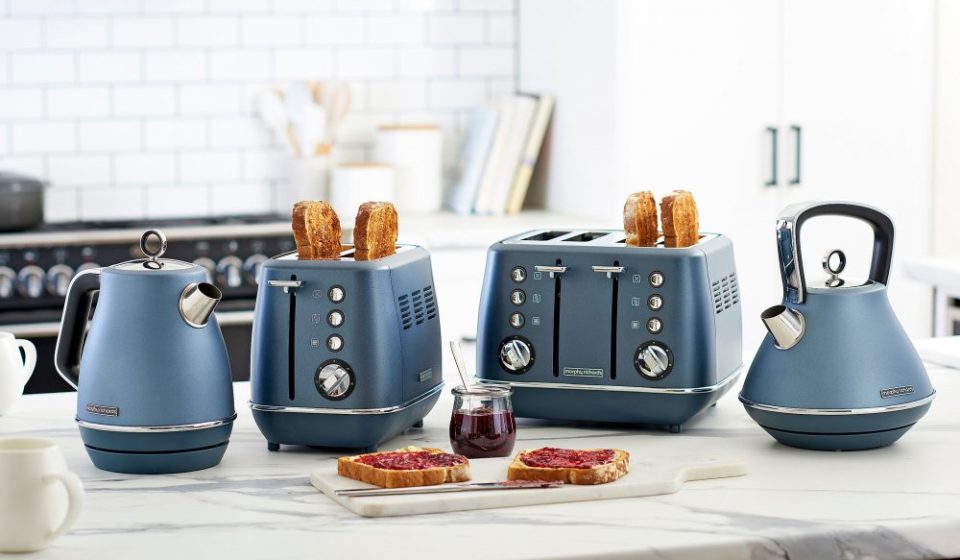

Product testing is one of the most important stages in the development of household appliances. Before an appliance reaches consumers, it must undergo thorough evaluations to ensure it performs reliably, operates safely, and meets quality expectations. Effective testing helps manufacturers identify potential issues early and deliver products that customers can depend on in their daily lives.
A small appliance company relies on comprehensive product testing to verify the safety, durability, and performance of every appliance it produces. Testing takes place throughout the manufacturing process, from prototype development to final inspections, ensuring products meet established quality standards. To explore the variety of household products offered by a small appliance company, it is helpful to understand how product testing contributes to reliable and high-quality appliances.
Table of Contents
ToggleWhy Product Testing Is Essential
Product testing helps manufacturers evaluate how appliances perform under normal and demanding conditions. It also ensures that products meet safety requirements before they reach consumers.
The primary benefits of product testing include:
- Improved product reliability
- Enhanced user safety
- Consistent performance
- Reduced manufacturing defects
- Greater customer confidence
Comprehensive testing helps maintain high standards across every stage of production.
Ensuring Product Safety
Safety is a top priority in appliance manufacturing. Every product should operate safely during everyday use while minimizing potential risks.
Common safety tests include:
- Electrical insulation testing
- Overheating protection checks
- Temperature monitoring
- Stability assessments
- Mechanical durability testing
These evaluations help ensure appliances perform safely under a variety of operating conditions.
Verifying Performance
Performance testing confirms that appliances function as intended and deliver consistent results over time.
Manufacturers often evaluate:
- Operating efficiency
- Power consistency
- Heating or cooling performance
- Noise levels
- Functional accuracy
Reliable performance testing ensures appliances meet customer expectations before they enter the market.
Assessing Durability
Household appliances are expected to withstand frequent use. Durability testing helps determine whether products can maintain their performance throughout their intended lifespan.
Durability evaluations may include:
- Repeated operation cycles
- Component wear testing
- Structural strength assessments
- Long-term performance monitoring
- Environmental condition testing
These procedures help manufacturers identify areas for improvement before production is completed.
Supporting Quality Control
Product testing is an important part of a manufacturer’s overall quality control process. Regular inspections help detect defects and maintain consistent product standards.
Quality control activities often include:
- Visual inspections
- Functional testing
- Measurement verification
- Assembly inspections
- Final product evaluation
Combining testing with quality control helps reduce errors and improve product consistency.
Improving Product Development
Testing provides valuable information that supports future product improvements. Engineers use test results to refine designs, enhance performance, and increase reliability.
Testing contributes to product development by helping manufacturers:
- Improve functionality
- Enhance energy efficiency
- Strengthen product durability
- Simplify operation
- Increase overall reliability
Continuous improvement allows manufacturers to better meet changing consumer expectations.
Meeting Industry Standards
Manufacturers often test products to ensure they comply with applicable safety and quality requirements. Following recognized standards helps maintain consumer confidence and product reliability.
Compliance efforts typically focus on:
- Electrical safety
- Product performance
- Material quality
- Manufacturing consistency
- Operational reliability
Meeting these standards demonstrates a commitment to responsible manufacturing.
Product Testing Across Different Appliance Categories
Testing procedures are applied across a wide range of household appliances to ensure consistent quality.
Kitchen Appliances
Examples include:
- Electric kettles
- Blenders
- Toasters
- Coffee makers
- Rice cookers
- Food processors
Home Cleaning Appliances
Products commonly tested include:
- Vacuum cleaners
- Steam cleaners
- Handheld cleaning devices
- Fabric care appliances
Personal Care Appliances
Examples include:
- Hair dryers
- Hair trimmers
- Electric shavers
- Styling tools
Although testing methods vary by product type, the objective remains the same: delivering safe and dependable appliances.
Benefits for Consumers
Thorough product testing offers several advantages for consumers by improving the overall quality and reliability of household appliances.
These benefits include:
- Greater product safety
- Reliable daily performance
- Longer service life
- Reduced maintenance needs
- Better overall value
- Increased customer satisfaction
Consumers can feel more confident when using appliances that have undergone extensive testing.
Conclusion
Product testing is a fundamental part of manufacturing high-quality household appliances. A small appliance company uses comprehensive testing to verify safety, evaluate performance, assess durability, and maintain consistent quality standards. By investing in rigorous testing throughout the product development process, manufacturers can deliver reliable appliances that meet the needs of modern households while providing long-term value and dependable performance.


