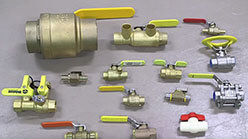

Industrial valves are essential components in piping systems, helping regulate, direct, isolate, and prevent the reverse flow of liquids, gases, steam, and other process media. They are used across industries such as oil and gas, water treatment, chemical processing, power generation, pharmaceuticals, and manufacturing. Selecting the right valve is important for maintaining system safety, operational efficiency, and reliable process control.
Different valve designs serve different purposes, and no single type is suitable for every application. Understanding how each valve works, its operating characteristics, and its limitations can help engineers and maintenance professionals make informed decisions. Exploring the available options for an Industrial Valve can be a useful starting point when comparing designs for specific piping requirements.
What Is an Industrial Valve?
An industrial valve is a mechanical device installed in a piping system to control the movement of a fluid. Depending on its design, it can start or stop flow, adjust the flow rate, regulate pressure, redirect media, or prevent unwanted backflow.
Valves may operate manually, mechanically, pneumatically, hydraulically, or electrically. The appropriate actuation method depends on the operating environment, required response time, accessibility, and level of automation.
Industrial valves are commonly manufactured from materials such as carbon steel, stainless steel, cast iron, ductile iron, bronze, and specialized alloys. The material must be compatible with the process fluid, operating temperature, pressure, and environmental conditions.
Common Types of Industrial Valves
Each valve type has a particular operating mechanism and intended function. Understanding these differences is essential when selecting equipment for an industrial process.
1. Ball Valves
Ball valves use a spherical closure element with a central bore. Turning the ball approximately 90 degrees opens or closes the flow passage.
They are widely used for isolation because they offer quick operation and generally provide reliable shutoff when correctly selected. Ball valves are available in different body configurations, materials, pressure classes, and connection types.
Common applications include:
- Oil and gas pipelines
- Chemical processing systems
- Water distribution networks
- Industrial utility lines
- Compressed air systems
Standard ball valves are primarily designed for open-or-closed service. Specialized designs, such as V-port ball valves, can provide more controlled flow regulation.
2. Gate Valves
Gate valves control flow through a movable gate or wedge that travels vertically or linearly into the flow path. When fully open, the gate generally moves clear of the passage, allowing relatively unrestricted flow.
These valves are commonly used for isolation in pipelines where frequent operation is not required. They are not normally recommended for throttling because partially open operation can cause vibration, erosion, and damage to the seating surfaces.
Gate valves are used in water supply systems, industrial processing plants, power facilities, and oil and gas installations.
3. Butterfly Valves
Butterfly valves use a rotating disc positioned inside the valve body. Rotating the disc changes the opening through which the fluid passes.
Their compact construction and relatively low weight make them useful in large-diameter pipelines. Depending on the design, they can provide isolation or flow regulation.
Common configurations include concentric, double-offset, and triple-offset butterfly valves. Seat materials and body designs vary according to pressure, temperature, and media compatibility.
Typical applications include water treatment, HVAC systems, cooling water networks, and industrial process piping.
4. Check Valves
Check valves allow fluid to move in one direction while restricting reverse flow. They generally operate automatically through pressure differences and do not require a manual or powered actuator.
Common designs include swing check, lift check, ball check, dual-plate, and nozzle or silent check valves. Each design has different flow characteristics, installation requirements, and response behavior.
Check valves are often installed downstream of pumps, in compressor systems, and in pipelines where reverse flow could damage equipment or disrupt operations.
5. Globe Valves
Globe valves regulate flow through a movable disc or plug that approaches or moves away from a stationary seat. Their internal flow path is designed to provide effective control over the amount of fluid passing through the valve.
They are commonly selected for throttling and regulating applications where precise adjustment is important. However, their flow path can create a higher pressure drop than some other valve designs.
Typical applications include steam systems, cooling water circuits, fuel lines, and process control systems.
6. Control Valves
Control valves automatically adjust flow, pressure, temperature, or liquid level in response to signals from a control system.
They typically consist of a valve body, actuator, and positioning or control accessories. The actuator moves the internal closure element according to the control signal.
Control valves are widely used in chemical plants, power generation facilities, refineries, and automated manufacturing processes. Their sizing and selection require consideration of flow characteristics, pressure drop, operating range, and process stability.
7. Plug Valves
Plug valves use a cylindrical or tapered plug with a passage through it. Rotating the plug aligns or blocks the passage to control fluid movement.
They are available in lubricated and non-lubricated designs, with different sealing arrangements depending on the application. Plug valves are used in industrial pipelines, gas distribution, wastewater systems, and applications involving certain viscous or dirty fluids.
8. Pressure Relief and Safety Valves
Pressure relief valves protect equipment and piping systems from excessive pressure. When pressure reaches a specified set point, the valve opens to release fluid and reduce system pressure.
Safety valves are commonly associated with compressible fluids such as steam or gas, while pressure relief valves may be used in liquid and gas services. Exact terminology and design requirements depend on the applicable industry standards and equipment.
These valves are important in boilers, pressure vessels, compressors, and other systems where overpressure could create a serious hazard.
Main Functions of Industrial Valves
Although valve designs differ, most industrial valves perform one or more of the following functions:
Flow isolation: Shutoff valves stop or permit fluid movement through a pipeline. Ball, gate, and butterfly valves are common choices for isolation.
Flow regulation: Globe valves and appropriately designed control valves adjust the flow rate to meet process requirements.
Backflow prevention: Check valves restrict reverse movement that could damage pumps, contaminate process lines, or disrupt system operation.
Pressure protection: Pressure relief and safety valves help prevent equipment from exceeding its permitted pressure limits.
Flow direction control: Certain valve arrangements and multi-port designs allow operators to redirect media between different piping routes.
Process automation: Actuated valves work with control systems to support remote operation and automatic process adjustments.
How to Choose the Right Industrial Valve
Selecting a valve requires more than matching its nominal pipe size. Engineers should evaluate the operating conditions and the valve’s intended role within the complete system.
1. Identify the Valve’s Function
Start by defining what the valve must do. Determine whether the requirement involves isolation, throttling, pressure protection, backflow prevention, or automated control.
For example, a gate valve may be suitable for infrequent isolation, while a globe valve or properly sized control valve may be more appropriate for regulating flow.
2. Evaluate Operating Pressure and Temperature
Every valve has defined pressure and temperature limits. These depend on factors such as body material, trim, seat construction, pressure class, and design standard.
Check the manufacturer’s pressure-temperature ratings rather than relying on nominal size or material alone. Also consider pressure surges, thermal cycling, and other transient operating conditions.
3. Check Fluid Characteristics
The process medium has a major influence on valve selection. Consider whether the fluid is corrosive, abrasive, viscous, contaminated, or prone to crystallization.
For example, corrosive chemicals may require compatible stainless steel or specialized alloy components. Fluids containing suspended solids may require a design that reduces the risk of blockage or excessive wear.
Seal and seat materials must also be compatible with the medium and operating temperature.
4. Select Suitable Materials
Valve bodies, stems, discs, balls, seats, and seals may use different materials. The correct combination depends on mechanical strength, corrosion resistance, temperature limits, and chemical compatibility.
Stainless steel is often used where corrosion resistance and cleanliness are important, while carbon steel may be suitable for many general industrial services. Cast iron and ductile iron are also used in water and utility systems, subject to their pressure and service limitations.
5. Consider Pressure Drop and Flow Capacity
Valve geometry affects flow resistance. Some designs provide a relatively direct flow path, while others create more turbulence or pressure loss.
Review the required flow rate, available pressure differential, and valve flow coefficient where applicable. For control applications, correct sizing is especially important because an oversized or undersized valve can lead to unstable operation or inadequate control.
6. Choose the Right Actuation Method
Manual operation may be sufficient for accessible valves that are operated infrequently. Automated processes may require electric, pneumatic, or hydraulic actuators.
Consider available power sources, operating speed, control signals, fail-safe requirements, environmental conditions, and maintenance needs. The actuator must be appropriately sized for the valve’s operating torque or thrust.
7. Verify Standards and Certifications
Industrial valves may be manufactured and tested according to standards from organizations such as API, ASME, ISO, and AWWA. The relevant standard depends on the valve type, industry, application, and project specification.
Check requirements for pressure testing, material traceability, dimensions, end connections, emissions, and fire-safe performance where applicable. Do not assume that a valve meets a particular standard without reviewing its documentation.
Factors That Affect Industrial Valve Performance
Even a correctly selected valve can experience problems if installation and operating conditions are unsuitable. Several factors influence long-term performance.
- Installation orientation: Certain valve designs have specific orientation or flow-direction requirements.
- Operating frequency: Repeated cycling can increase wear on seats, seals, stems, and actuators.
- Fluid contamination: Particles and deposits can damage sealing surfaces or obstruct moving components.
- Water hammer: Rapid changes in fluid velocity can create pressure surges that stress valves and connected equipment.
- Maintenance practices: Inspection and servicing help identify leakage, corrosion, wear, and actuator problems before they cause major failures.
- System compatibility: End connections, face-to-face dimensions, pressure ratings, and materials must match the surrounding piping system.
Following manufacturer instructions and applicable engineering standards is essential during installation, commissioning, and maintenance.
Industrial Valve Applications Across Different Industries
Industrial valves support a wide range of processes because fluid movement must be controlled safely and consistently.
Oil and Gas
Valves are used in upstream production, pipeline transportation, refining, and gas processing. Ball, gate, check, globe, and specialized control valves serve different isolation and regulation requirements.
Water and Wastewater Treatment
Water treatment facilities use butterfly, gate, check, and control valves to manage distribution, filtration, pumping, and treatment processes. Material selection is important because water chemistry and treatment chemicals can affect valve components.
Chemical and Petrochemical Processing
Chemical plants require valves that can handle specific corrosive, hazardous, or high-temperature media. Material compatibility, sealing performance, and process safety are important selection considerations.
Power Generation
Power facilities use valves in steam, cooling water, fuel, and auxiliary systems. Pressure and temperature ratings are particularly important in high-energy applications.
Food and Pharmaceutical Manufacturing
These industries may require hygienic valve designs with suitable surface finishes, cleanable construction, and materials compatible with the product and cleaning procedures. Sanitary requirements vary according to the process and applicable regulations.
Industrial Valve Maintenance and Inspection
Routine maintenance helps preserve valve performance and reduce the risk of unexpected downtime. Inspection frequency should reflect operating conditions, manufacturer recommendations, and the criticality of the system.
Important maintenance activities include:
- Inspect valve bodies and connections for corrosion, damage, and external leakage.
- Check stems, packing, and seals for signs of wear or deterioration.
- Verify that manual operators and actuators function correctly.
- Look for unusual vibration, noise, or changes in operating torque.
- Confirm that automated valves respond correctly to control signals.
- Review maintenance records and replace worn components when necessary.
Before carrying out maintenance, isolate the relevant equipment, depressurize and drain the section as appropriate, and follow the site’s lockout and safety procedures. Specialized valves may require trained technicians and manufacturer-approved service methods.
Common Mistakes to Avoid When Selecting Industrial Valves
Choosing a valve based only on price or nominal pipe size can create operational problems. Some frequent selection mistakes include:
- Using isolation valves for continuous throttling when they are not designed for it.
- Ignoring the chemical compatibility of seats, seals, and body materials.
- Selecting a valve without checking its pressure-temperature rating.
- Overlooking flow direction and installation requirements.
- Choosing an actuator without verifying the required operating force.
- Failing to consider pressure surges, solids, or other process conditions.
- Assuming that all valves of the same type have identical performance.
A complete review of process conditions, technical documentation, and maintenance requirements helps avoid these issues.
Conclusion
Industrial valves play a central role in controlling fluid movement, maintaining process stability, and protecting equipment across many industries. Ball, gate, butterfly, check, globe, plug, control, and pressure relief valves each perform specific functions, making correct selection essential for safe and efficient operation.
The right choice depends on the required function, fluid characteristics, operating pressure and temperature, material compatibility, flow capacity, actuation method, and applicable standards. By evaluating these factors and following appropriate installation and maintenance practices, industrial facilities can improve reliability, reduce unnecessary downtime, and support long-term piping system performance.