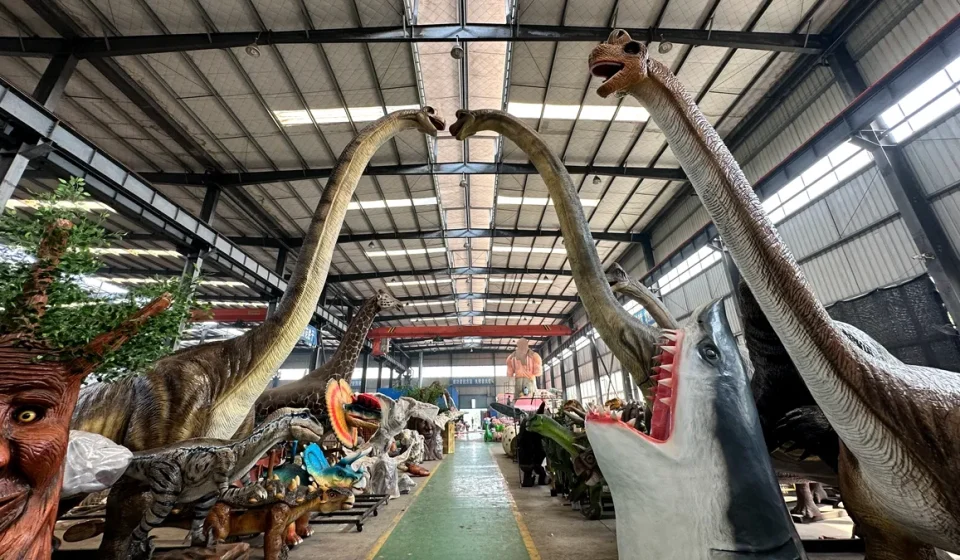

Animatronic dinosaur rides bring prehistoric creatures into modern entertainment spaces through a combination of mechanical movement, lifelike designs, and interactive features. These attractions allow visitors to experience dinosaurs in a more engaging way than traditional static displays. Whether installed in theme parks, family entertainment centers, museums, or special events, they can turn an ordinary visitor area into an exciting prehistoric adventure.
The appeal of Animatronic Dinosaur Rides comes from their ability to combine visual realism with hands-on entertainment. Moving dinosaur figures, carefully designed ride systems, sound effects, and themed environments work together to create an experience that captures attention and encourages participation. Understanding how these elements function can help attraction operators choose suitable equipment and develop more memorable visitor experiences.
What Makes Animatronic Dinosaur Rides Unique?
Traditional amusement rides focus primarily on movement, while decorative dinosaur models mainly provide visual interest. Animatronic dinosaur rides bring these two concepts together.
They combine a ride mechanism with dinosaur figures that may feature independently controlled movements. Depending on the design, a dinosaur may move its head, open its mouth, swing its tail, or produce sounds while visitors enjoy the ride.
This combination offers several advantages:
- Visual excitement: Large, detailed dinosaur figures attract attention and create a strong first impression.
- Dynamic movement: Mechanical functions make the dinosaurs appear more lifelike.
- Visitor participation: Riders become part of the themed experience rather than simply observing a display.
- Educational opportunities: Dinosaur species and prehistoric environments can be introduced through signs and interactive content.
- Versatile applications: Different ride formats can suit indoor attractions, outdoor parks, exhibitions, and temporary events.
The most successful designs balance entertainment, realistic presentation, and practical operation.
How Animatronic Technology Creates Realistic Dinosaur Movements
Animatronic movement depends on a combination of mechanical components, electronic controls, and carefully designed body structures. Each system has a specific role in creating coordinated motion.
Mechanical Structures and Moving Components
The internal framework provides support for the dinosaur figure and its moving parts. Motors, gears, linkages, and other mechanical components may be used to operate different movements.
Depending on the model, these components can control:
- Head movement from side to side
- Mouth opening and closing
- Neck movement
- Tail swinging
- Body rocking
- Leg or limb movement
The number and complexity of moving functions depend on the attraction’s design. A simple ride may feature a gentle rocking motion, while a more advanced animatronic figure may include several coordinated movements.
Electronic Control Systems
Electronic controllers coordinate the movements and operating sequences. They can determine when a motor starts, how far a component moves, and how different functions work together.
Programmed sequences help create consistent performance during repeated operating cycles. Some systems also allow operators to adjust movement patterns or select different sequences according to the attraction’s requirements.
Synchronizing Movement and Sound
Sound effects can make an animatronic dinosaur feel more convincing. A dinosaur might open its mouth while producing a roar or move its head during a programmed sound sequence.
Synchronization is important because unrelated movement and sound can make the display feel artificial. Coordinated effects create a more coherent experience and help visitors connect the dinosaur’s movements with its apparent behavior.
The Importance of Realistic Dinosaur Design
Mechanical movement is only one part of a convincing animatronic attraction. The dinosaur’s appearance also influences how visitors perceive the experience.
Accurate Body Proportions
A well-designed dinosaur should reflect the recognizable physical characteristics of its species. The shape of the head, body proportions, tail length, limbs, and posture all contribute to its appearance.
Popular choices include:
- Tyrannosaurus rex: Known for its large head, powerful jaws, and distinctive short forelimbs.
- Triceratops: Recognizable by its three horns and broad neck frill.
- Stegosaurus: Features prominent plates along its back and spikes on its tail.
- Brachiosaurus: Its long neck and large body make it suitable for impressive themed displays.
- Velociraptor: Its agile appearance works well in adventure-inspired environments.
Selecting the right species helps the attraction fit its intended theme and audience.
Detailed Skin Textures and Colors
Surface details make a significant difference to the finished model. Textured skin, natural color variations, scales, claws, teeth, and facial features can give the dinosaur a more lifelike appearance.
The finish should also suit the viewing distance. A large outdoor dinosaur may need bold details that remain visible from a distance, while an indoor exhibition model can include finer surface features for closer observation.
Coordinating Appearance with Movement
Moving parts should be designed to fit naturally into the dinosaur’s body. Poorly positioned joints or abrupt movements can reduce realism.
For example, a moving neck should connect visually with the body, while a swinging tail should follow a controlled path that suits the dinosaur’s overall proportions. Good coordination between sculpting and mechanical design helps create a more convincing figure.
How Interactive Entertainment Enhances the Ride Experience
Interactive features encourage visitors to become active participants. Instead of simply sitting on a moving attraction, guests may be able to trigger effects, respond to themed activities, or explore a more engaging environment.
Button-Activated Features
Some attractions use simple controls that allow visitors to activate selected functions. A button might trigger a dinosaur sound, a movement sequence, or a lighting effect.
These features are particularly useful in family entertainment centers because they provide a straightforward way for visitors to interact with the attraction.
Motion Sensors
Motion sensors can detect when visitors approach a display and activate programmed effects. A dinosaur might move its head, open its mouth, or produce a sound as someone enters the designated area.
This type of interaction can make the attraction feel more responsive while reducing the need for visitors to operate manual controls.
Programmed Ride Sequences
A ride can follow a sequence of movements and effects designed to create a short themed journey. For example, riders might pass several dinosaur figures while hearing environmental sounds and observing coordinated movements.
A clear sequence helps give the attraction a beginning, middle, and ending, making the experience feel more complete.
Lighting and Environmental Effects
Lighting can highlight important features and establish different moods. Carefully positioned lights may emphasize dinosaur details, while background effects help create the impression of a prehistoric landscape.
All interactive features should be designed with visitor comfort and operational safety in mind. Excessive noise, sudden movements, or confusing controls can reduce the quality of the experience.
Popular Applications in Entertainment Venues
Animatronic dinosaur rides can be adapted to a range of commercial and educational settings. The best format depends on the available space, target audience, and operating model.
Theme Parks
Theme parks can use dinosaur rides as part of a larger prehistoric adventure zone. Artificial rocks, trees, plants, and dinosaur figures can create an environment that makes visitors feel as though they have entered an ancient world.
A track-based ride or larger themed attraction can become a central feature of the area.
Family Entertainment Centers
Indoor entertainment centers often benefit from compact ride designs that fit within limited floor space. Smaller dinosaur rides can provide short experiences for children while complementing other family activities.
The design should consider ceiling height, visitor circulation, seating, and access for maintenance.
Museums and Science Centers
Educational venues can combine animatronic rides with information about dinosaur species, anatomy, habitats, and prehistoric periods.
A ride experience can be followed by educational panels or interactive displays that encourage visitors to learn more about the creatures they have encountered.
Shopping Malls and Commercial Spaces
Compact dinosaur rides can attract families in shopping centers and other public venues. Their recognizable designs provide visual interest and can create a dedicated entertainment area.
Operators should consider foot traffic, noise levels, electrical access, and the space needed for safe boarding and operation.
Exhibitions and Special Events
Temporary dinosaur attractions can be used at festivals, exhibitions, promotional events, and seasonal entertainment programs. Portable or modular designs may be useful when equipment needs to be transported and installed at different locations.
For temporary projects, buyers should confirm transportation dimensions, assembly requirements, setup time, and site conditions before choosing a model.
Choosing Between Different Dinosaur Ride Formats
Not all animatronic dinosaur rides provide the same experience. Comparing the available formats helps businesses select equipment that fits their venue.
| Ride format | Main characteristics | Suitable applications | Coin-operated ride | Short, controlled movement and compact design | Shopping malls and indoor play areas | Track-based ride | Vehicles travel along a fixed route | Theme parks and larger entertainment centers | Stationary ride | Visitors experience movement from a fixed position | Family attractions and exhibitions | Interactive dinosaur display | Combines programmed movement with visitor-triggered effects | Museums and themed environments | Mobile or temporary attraction | Designed for selected event or exhibition setups | Festivals and promotional events |
|---|
The right choice depends on the intended visitor experience, available installation area, budget, and operational requirements.
Safety and Reliability in Animatronic Dinosaur Rides
A successful attraction must be enjoyable and dependable. Since ride equipment combines moving mechanisms with passengers, safety needs to be considered throughout the design, installation, and operating process.
Structural Strength and Stability
The frame, support structure, seating, and mounting components should be suitable for the expected loads and operating conditions. Buyers should request technical specifications and confirm that the equipment is appropriate for the intended installation.
Rider Seating and Restraints
Seats and restraint systems should match the ride design and intended age group. Operators must follow the manufacturer’s requirements for rider height, weight, supervision, and loading procedures.
Mechanical and Electrical Inspection
Moving components, motors, wiring, and control systems need regular inspection. A planned maintenance schedule can help identify wear and operating problems before they affect the attraction.
Emergency Controls and Staff Training
Operators should understand how to stop the ride safely and respond to unexpected situations. Emergency stop controls, operating instructions, and staff training should be included in the installation and commissioning process.
Local Regulations and Standards
Amusement ride requirements vary by location and equipment type. Before opening an attraction to the public, businesses should confirm applicable local regulations, inspection requirements, and relevant ride safety standards.
Factors to Consider Before Purchasing
Selecting an animatronic dinosaur ride requires a practical evaluation of the model’s design and operating requirements.
Consider the following factors:
- Target audience: Determine whether the ride is intended mainly for young children, families, or a broader visitor group.
- Available space: Measure the installation area, ceiling height, access routes, and space needed for boarding.
- Ride capacity: Confirm the number of riders permitted per cycle and the expected operating frequency.
- Movement functions: Decide which dinosaur movements and interactive effects are important to the experience.
- Material quality: Review the body construction, surface finish, and suitability for indoor or outdoor use.
- Power requirements: Check electrical specifications and the availability of suitable connections.
- Maintenance needs: Understand inspection schedules, replacement parts, and technical support arrangements.
- Total project cost: Include transportation, installation, site preparation, inspections, and ongoing operating expenses.
Requesting videos of the equipment in operation can also help buyers evaluate movement quality, sound levels, and the overall visitor experience.
How to Create a More Immersive Prehistoric Attraction
The surrounding environment can make an animatronic dinosaur ride more memorable. A carefully designed setting connects the ride to a larger story and encourages visitors to explore.
Build a Prehistoric Landscape
Artificial plants, rock formations, themed pathways, and decorative scenery can create the impression of a dinosaur habitat. The design should provide clear sightlines and avoid interfering with ride operations.
Add Supporting Dinosaur Figures
Static and moving dinosaur models can be positioned around the ride area to create a more complete environment. Different species can represent different parts of the prehistoric world.
Use Educational Storytelling
Information boards, digital displays, and short audio presentations can introduce visitors to the dinosaurs featured in the attraction. This is especially useful for museums and family venues that want to combine entertainment with learning.
Plan Visitor Flow
Clear entry and exit points, waiting areas, viewing spaces, and accessible pathways help keep the attraction organized. Good visitor flow improves comfort and supports efficient daily operation.
Conclusion
Animatronic dinosaur rides combine realistic mechanical movements, detailed dinosaur designs, and interactive entertainment to create engaging attractions for modern venues. From compact indoor rides to larger themed experiences, they can provide memorable entertainment while introducing visitors to the fascinating world of prehistoric creatures.
Their success depends on more than impressive appearance. Smooth movement, well-coordinated effects, reliable construction, appropriate safety measures, and thoughtful attraction design all contribute to a positive visitor experience. By evaluating these elements carefully, businesses can develop dinosaur attractions that are exciting, practical, and suitable for long-term operation.