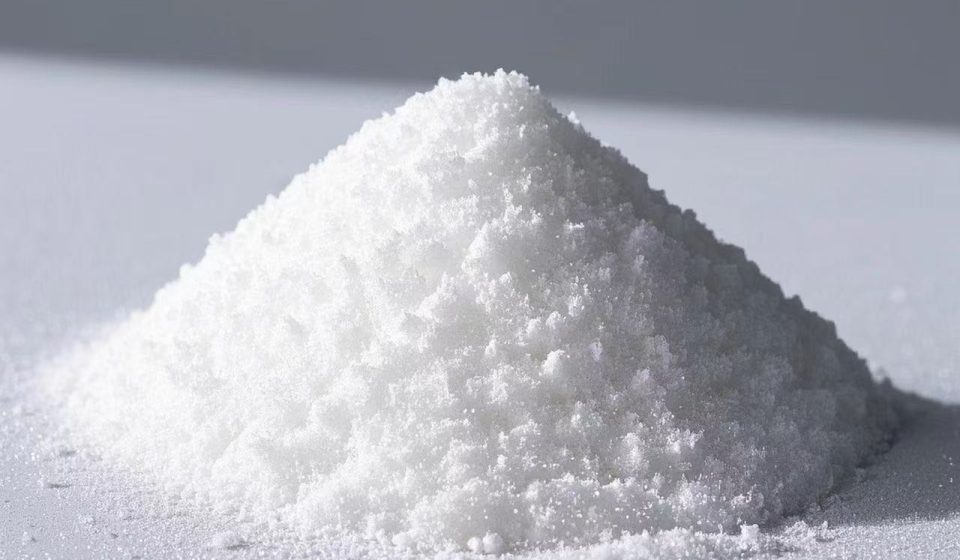

Pharmaceutical manufacturing depends on raw materials that meet defined identity, purity, and quality requirements. Amino acids such as L-proline can serve as important ingredients in pharmaceutical development, formulation research, and selected manufacturing processes. Because pharmaceutical products are subject to strict quality expectations, the suitability of an L-proline ingredient must be established through appropriate specifications, analytical testing, and supplier qualification.
L-proline is a proteinogenic amino acid with a distinctive cyclic structure that influences protein organization and biological functions. It is naturally present in the human body and contributes to collagen structure and amino acid metabolism. For manufacturers evaluating Pharmaceutical Grade L-Proline, understanding pharmaceutical quality standards, documentation, and application-specific requirements is essential for selecting an appropriate raw material.
What Is L-Proline?
L-proline is the naturally occurring L-form of proline, an amino acid incorporated into proteins. Its molecular formula is C₅H₉NO₂, and its molecular weight is approximately 115.13 g/mol.
Unlike most amino acids, proline has a cyclic structure in which its side chain connects to its amino nitrogen. This structural feature restricts the flexibility of the protein backbone and influences how proteins fold.
L-proline has several biological roles:
- It contributes to protein structure and organization.
- It is an important component of collagen.
- It participates in amino acid metabolism.
- It is connected to metabolic pathways involving glutamate.
- It contributes to the body’s normal nitrogen and amino acid balance.
Commercial L-proline is commonly supplied as a crystalline powder. For pharmaceutical use, the material must meet specifications appropriate to its intended application and the applicable regulatory framework.
What Does Pharmaceutical Grade Mean?
Pharmaceutical grade generally refers to a material manufactured and controlled to meet quality requirements suitable for a defined pharmaceutical application. However, the term alone does not establish compliance with a particular pharmacopeial standard or guarantee suitability for every drug product.
Pharmaceutical raw material evaluation may involve:
- Confirming chemical identity.
- Establishing assay and purity.
- Assessing relevant impurities.
- Evaluating microbiological quality where required.
- Reviewing manufacturing and quality controls.
- Maintaining batch traceability.
- Confirming compliance with applicable specifications.
If a buyer requires USP, Ph. Eur., or another compendial standard, the supplier should identify the applicable monograph and provide supporting evidence. A general pharmaceutical-grade claim should not be treated as proof of compendial compliance.
Key Quality Standards for Pharmaceutical Grade L-Proline
Quality requirements should be defined according to the material’s intended use, the finished product, and applicable regulatory expectations.
1. Chemical Identity
Identity testing confirms that the material is L-proline rather than another amino acid or an unrelated substance.
Suitable analytical procedures should be used to establish the chemical identity. Where the L-form is specifically required, the testing strategy should also address stereochemical identity.
2. Assay and Purity
Assay testing determines the amount of the intended substance in a sample using a defined analytical method.
Buyers should review:
- The stated assay acceptance range.
- The analytical method used.
- The reported batch result.
- Whether the result is calculated on an as-is or dried basis.
- Any relevant method verification or validation requirements.
A high assay result is important but does not independently demonstrate that every other quality attribute meets the required specification.
3. Related Substances and Impurities
Impurity evaluation helps identify substances that may be present because of raw materials, manufacturing processes, or storage conditions.
Depending on the application and risk assessment, relevant testing may include related compounds, residual solvents, elemental impurities, and other process-related contaminants.
The applicable limits should be established through the approved material specification and relevant regulatory requirements.
4. Moisture Content
Moisture content can influence the physical characteristics and handling of powdered L-proline.
Manufacturers should review the supplier’s moisture or loss-on-drying specification and determine whether the material remains within acceptable limits during storage and transportation.
5. Microbiological Quality
Microbiological requirements depend on the intended pharmaceutical application and the characteristics of the finished product.
Testing may be required for specified microbial counts or particular microorganisms. The appropriate controls should be established through the manufacturer’s quality risk assessment and applicable regulatory standards.
6. Physical Characteristics
Appearance, solubility, and other physical characteristics may be relevant to raw material acceptance and formulation development.
L-proline is commonly supplied as a white or nearly white crystalline powder. Buyers should confirm that the delivered material conforms to the agreed specification and investigate unexpected changes before use.
Pharmacopeial Standards and Compliance
Pharmacopeial standards provide recognized quality requirements for substances and pharmaceutical products. Depending on the market and application, manufacturers may need to consider standards published by organizations such as the United States Pharmacopeia and the European Pharmacopoeia.
A compendial monograph may establish requirements for identity, assay, impurities, and specific analytical procedures.
When evaluating a supplier’s compliance claim, manufacturers should establish:
- Which pharmacopeial standard is being referenced.
- Whether an applicable monograph exists for the material.
- Which edition or official requirements apply.
- Whether the supplier tests against the complete applicable specification.
- Whether batch-specific results demonstrate compliance.
A supplier’s use of terms such as USP grade or pharmaceutical grade should be supported by documentation. Buyers should not assume that a material meets a particular compendial standard simply because it is described as high purity.
Applications of L-Proline in Drug Manufacturing
L-proline may be relevant to pharmaceutical development and manufacturing in several ways. Its actual use depends on the formulation, product design, regulatory status, and supporting technical evidence.
1. Pharmaceutical Formulation Development
Formulation scientists may evaluate L-proline as an ingredient in selected pharmaceutical formulations.
Its suitability depends on the required composition, compatibility with other ingredients, stability, and the function assigned to it within the formulation.
2. Amino Acid-Based Products
L-proline may be considered in amino acid formulations where its inclusion is appropriate to the product’s intended composition.
The overall amino acid profile should be assessed carefully. Proline alone does not provide all essential amino acids and should not be treated as a complete protein source.
3. Research and Development
Pharmaceutical research teams may use L-proline in studies involving amino acid metabolism, protein structure, biochemical pathways, and formulation behavior.
Research applications may have specific requirements for purity, analytical documentation, and batch consistency.
4. Biotechnology and Biochemical Processes
L-proline is relevant to various biochemical pathways and may be used in selected biotechnology research processes.
Its role depends on the biological system and experimental design. Material specifications should be matched to the requirements of the particular process.
5. Specialized Drug Development
In some development programs, amino acids may be investigated for specific formulation or manufacturing functions. Any use of L-proline in such a role requires appropriate compatibility, stability, safety, and regulatory assessment.
Its presence in a formulation should not be assumed to provide a therapeutic benefit without supporting evidence.
Documentation Required From a Pharmaceutical L-Proline Supplier
Documentation helps pharmaceutical manufacturers evaluate incoming raw materials and maintain controlled procurement records.
| Document | Importance | Certificate of Analysis (CoA) | Provides analytical results for an individual batch | Technical Data Sheet (TDS) | Describes chemical and physical characteristics | Safety Data Sheet (SDS) | Provides handling and safety information | Approved Product Specification | Defines required quality attributes and limits | Manufacturing Information | Supports assessment of production controls | Impurity Profile | Provides information about relevant contaminants | Traceability Records | Connects the batch with its manufacturing and testing history | Relevant Quality Certifications | Supports review of the supplier’s quality management system |
|---|
The certificate of analysis should identify the batch number, test methods, acceptance criteria, and actual results. Buyers should confirm that the document relates to the material being delivered rather than relying solely on a generic product specification.
How to Select a Reliable Pharmaceutical L-Proline Supplier
Supplier qualification is an important part of pharmaceutical quality management. A suitable supplier should demonstrate technical capability, transparent documentation, and consistent manufacturing controls.
1. Verify Product Specifications
Request the full product specification and confirm that it meets the requirements of the intended application.
Check identity, assay, impurity limits, moisture, and other relevant quality attributes before approving the material.
2. Assess Manufacturing Controls
Review the supplier’s quality management procedures, production controls, material handling practices, and contamination prevention measures.
Where certifications are provided, confirm their scope, validity, and relevance to the supplied product.
3. Examine Analytical Capabilities
Ask which methods are used to test identity, assay, and impurities. The methods should be suitable for the relevant quality attributes.
For critical applications, the receiving manufacturer’s quality unit may need to evaluate method suitability and establish additional incoming testing requirements.
4. Review Batch Consistency
Request analytical records from multiple production lots when possible. Comparing results helps identify variation and assess whether the supplier can maintain consistent specifications.
5. Confirm Traceability
A qualified supplier should maintain batch identification and records that connect the delivered material to its manufacturing and quality history.
Traceability supports investigations, complaint handling, and recall procedures where necessary.
6. Evaluate Supply Reliability
Consider production capacity, minimum order quantities, lead times, packaging options, and the supplier’s ability to support recurring demand.
Reliable supply planning helps prevent production interruptions caused by unexpected material shortages.
Storage and Handling of Pharmaceutical Grade L-Proline
Proper storage and handling help maintain the quality of L-proline between delivery and use.
Protect the Material From Moisture
Keep the powder in its original sealed packaging or an approved equivalent. Close containers promptly after opening and use clean, dry equipment during material transfer.
Follow Recommended Storage Conditions
Follow the manufacturer’s documented temperature and environmental recommendations. Avoid unnecessary exposure to excessive heat or unsuitable storage conditions.
Prevent Cross-Contamination
Use appropriate handling procedures, clean equipment, and controlled storage areas. Materials awaiting quality approval should remain segregated from released inventory.
Maintain Batch Records
Record batch numbers, receipt dates, expiry or retest dates where applicable, and storage locations. Inventory procedures should support traceability and prevent the unintended use of material that has not been approved.
Inspect Incoming Material
Check packaging for damage, broken seals, or signs of moisture exposure. Any material with questionable packaging or condition should be assessed by the quality unit before release.
Common Mistakes When Purchasing Pharmaceutical Grade L-Proline
Selecting an ingredient without a structured evaluation can introduce unnecessary quality and procurement risks.
- Assuming a grade label proves compliance: Pharmaceutical-grade wording should be supported by relevant specifications and evidence.
- Ignoring the applicable compendial standard: USP or European Pharmacopoeia compliance should be confirmed where specifically required.
- Focusing only on assay: Identity, impurities, moisture, and microbiological requirements may also be important.
- Accepting generic certificates: Batch-specific analytical records are essential for appropriate material evaluation.
- Overlooking supplier qualification: Manufacturing controls and traceability should be assessed before approval.
- Neglecting storage conditions: Improper packaging or handling can affect the material’s condition.
- Failing to define the intended application: Quality requirements should be based on the role of the ingredient in the finished product.
Conclusion
Pharmaceutical grade L-proline is a specialized amino acid raw material that may be used in pharmaceutical development, selected formulations, and biochemical research. Its suitability depends on chemical identity, assay, impurity controls, microbiological requirements, manufacturing practices, and the specifications of the intended application.
Manufacturers should review pharmacopeial requirements where applicable, request batch-specific certificates of analysis, and assess suppliers through documented qualification procedures. Proper storage, traceability, and ongoing supplier monitoring are also important for maintaining raw material quality.
By establishing clear technical requirements and verifying supplier capabilities, pharmaceutical manufacturers can make informed sourcing decisions and support consistent quality throughout their production processes.