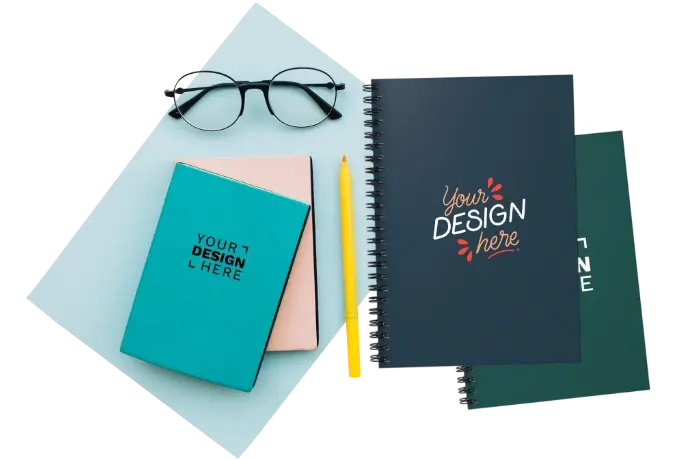

Keeping a journal is a simple way to organize thoughts, record experiences, and make time for personal reflection. Whether someone enjoys writing about daily events, setting goals, or exploring creative ideas, having a dedicated notebook can make the habit easier to maintain. The right stationery can also make writing feel more comfortable and enjoyable.
Choosing a Personal Journal Notebook involves more than selecting an attractive cover. Paper quality, size, binding, page layout, and personal preferences all influence how useful a journal will be over time. Understanding these features can help writers find a notebook that supports their routines and encourages consistent writing.
Why Keeping a Personal Journal Matters
Journaling provides a private space to record thoughts and experiences without worrying about structure or presentation. Some people use it to document everyday activities, while others prefer writing about emotions, achievements, challenges, and future plans.
A regular writing habit can offer several practical benefits:
- Organizing thoughts: Writing ideas down can make them easier to understand and revisit.
- Tracking personal goals: A journal provides a place to document progress and identify priorities.
- Recording memories: Daily entries preserve details that might otherwise be forgotten.
- Encouraging creativity: Free writing can help develop storytelling skills and generate new ideas.
- Supporting reflection: Reviewing previous entries can reveal patterns, changes, and personal milestones.
There is no single correct way to journal. The best approach is one that feels natural and manageable.
Select a Notebook Size That Fits Your Routine
Notebook size affects portability, writing space, and convenience. Before choosing a journal, consider where and when it will usually be used.
Pocket-Sized Notebooks
Small notebooks are easy to carry in handbags, backpacks, or briefcases. They are useful for short reflections, quick observations, reminders, and spontaneous ideas.
However, their limited page space may not suit people who prefer writing long entries.
A5 Notebooks
A5 notebooks offer a practical balance between writing space and portability. They are large enough for detailed daily entries but compact enough to carry comfortably.
This format is a suitable option for people who want one notebook for journaling at home, during travel, or at work.
A4 and Larger Formats
Larger notebooks provide more room for extended writing, sketches, planning layouts, and creative exercises. They may be particularly useful for writers who prefer a spacious page and usually journal at a desk.
The right size depends on whether portability or writing space is the greater priority.
Choose the Right Paper Quality
Paper quality has a direct effect on the writing experience. Thin or rough pages may cause ink to show through, while smoother paper can make handwriting feel more comfortable.
When comparing notebooks, consider the following characteristics:
Paper Thickness
Thicker paper is generally more suitable for fountain pens, gel pens, and certain markers. It can help reduce ink bleeding and show-through, although performance also depends on the paper’s coating and texture.
Paper Texture
Some writers prefer smooth pages that allow pens to glide easily. Others enjoy slightly textured paper because it provides more resistance and a traditional writing feel.
Paper Color
White paper offers a clean, bright writing surface, while cream or off-white paper can create a softer visual appearance. Personal preference and lighting conditions can influence which option feels more comfortable.
If possible, test the paper with your preferred pen before committing to a notebook.
Find a Page Layout That Matches Your Writing Style
The internal layout should support the way you plan to use your journal. Different page styles offer different levels of structure and creative freedom.
Ruled Pages
Ruled pages are a familiar choice for daily writing. Horizontal lines help maintain consistent handwriting and make longer entries easier to organize.
Blank Pages
Blank pages provide complete freedom for writing, drawing, mind maps, and creative exercises. They are useful for people who do not want to follow a fixed structure.
Dotted Pages
Dotted layouts offer subtle guidance without creating the appearance of traditional ruled paper. They are popular for bullet journaling, habit tracking, and flexible planning systems.
Grid Pages
Grid paper is helpful for structured notes, charts, diagrams, and organized layouts. It can also support people who enjoy combining writing with simple illustrations.
Selecting a layout that matches your habits can make regular journaling more convenient.
Consider the Cover Design and Material
A notebook’s cover influences its appearance, durability, and overall feel. Since a journal may be handled every day, it is worth choosing a design that feels comfortable and reflects personal taste.
Common cover options include:
- Hardcover: Offers structure and helps protect internal pages during regular use.
- Softcover: Lightweight and flexible, making it convenient for everyday carrying.
- Fabric covers: Provide a distinctive texture and a more traditional stationery appearance.
- Leather and leather alternatives: Offer a refined finish suitable for personal use or gifting.
Colors and decorative details also matter. Some people prefer minimal designs in neutral shades, while others enjoy illustrated covers, patterns, or personalized lettering.
Look for Features That Make Daily Writing Easier
Small functional details can improve the overall journaling experience. Depending on your routine, certain features may be especially useful.
Ribbon Bookmarks
A ribbon marker helps you return quickly to your latest entry without searching through multiple pages.
Elastic Closures
An elastic band keeps the notebook closed when carried in a bag and helps prevent loose items from slipping out.
Inner Pockets
A built-in pocket can hold notes, photographs, receipts, or other small keepsakes that you want to store with your journal.
Pen Loops
A pen loop keeps writing equipment close at hand, which can be useful when journaling outside the home.
Numbered Pages
Page numbers make it easier to organize entries, create an index, and locate important information later.
Not every journal needs all these features. Focus on the details that genuinely support your writing habits.
Choose a Journal That Encourages Consistency
An ideal notebook should fit naturally into your daily routine. A complicated layout or oversized format may discourage regular use if it feels inconvenient.
Consider when you are most likely to write. If you prefer morning reflections, keep your notebook somewhere accessible at home. If you write during lunch breaks or while commuting, choose a portable size that fits comfortably in your bag.
It can also help to establish a simple routine. Start with a few sentences each day rather than setting an unrealistic writing target. Over time, a manageable habit can become a regular part of your schedule.
Personal Journal Notebook Ideas for Different Writing Goals
Different journaling styles require different notebook features. Identifying your main purpose can make the selection process easier.
Daily Reflection Journal
A traditional lined notebook is suitable for recording daily experiences, thoughts, and personal observations. A medium-sized format provides enough room for regular entries.
Gratitude Journal
A compact journal with a simple layout works well for recording positive moments and things you appreciate. Dedicated prompts can also help maintain a consistent routine.
Goal-Setting Journal
People who enjoy tracking progress may prefer dotted or grid pages. These layouts provide space for schedules, task lists, progress charts, and written reflections.
Creative Writing Journal
Writers may benefit from blank or lightly ruled pages that allow room for story ideas, character notes, poetry, and spontaneous writing.
Travel Journal
A portable notebook with a durable cover is useful for recording destinations, experiences, observations, and memorable moments. Inner pockets can also provide space for small travel keepsakes.
How to Maintain Your Journal Over Time
A notebook can preserve meaningful thoughts and experiences for years when it is handled and stored carefully.
Keep your journal away from excessive moisture, direct sunlight, and dusty environments. Avoid placing heavy objects on it if the cover or binding is not designed to withstand pressure.
You can also make entries easier to revisit by adding dates, headings, or simple page references. If your journal contains personal information, store it in a secure place where others cannot access it without permission.
Most importantly, remember that journaling does not need to be perfect. Missed days, short entries, and changes in writing style are all normal parts of maintaining a personal record.
Conclusion
Choosing the perfect personal journal notebook means finding a balance between comfort, functionality, and individual style. Factors such as notebook size, paper quality, page layout, cover material, and additional features can all influence how enjoyable daily writing becomes.
Whether you want to record memories, organize goals, explore creative ideas, or reflect on everyday experiences, the right notebook can provide a dedicated space for your thoughts. By selecting a format that fits your routine and writing preferences, you can build a journaling habit that remains practical and rewarding over time.