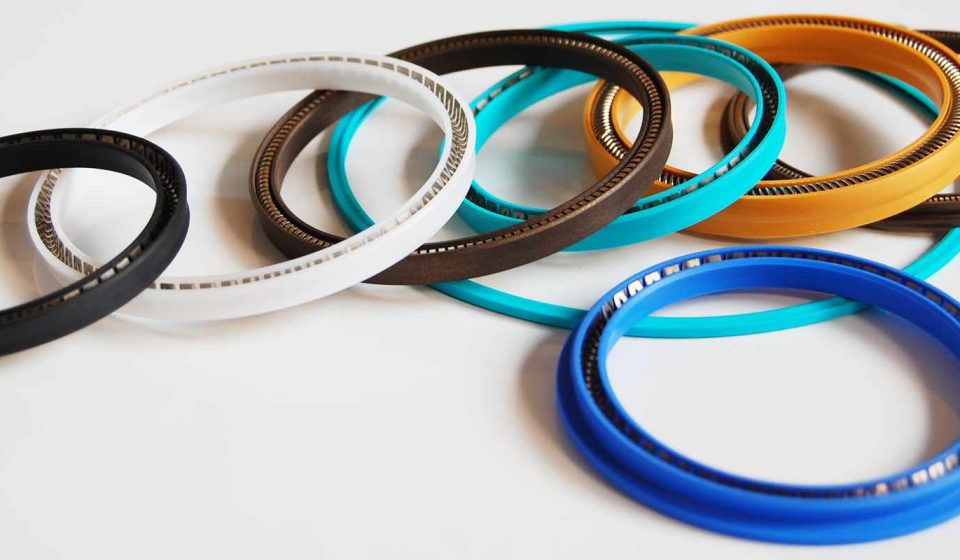

Hydraulic sealing systems play an essential role in industrial machinery, construction equipment, agricultural vehicles, and manufacturing operations. They help prevent fluid leakage, maintain pressure, and protect hydraulic components from contamination. Without properly designed seals, hydraulic systems may experience reduced efficiency, unexpected breakdowns, and costly maintenance requirements.
A Hydraulic Seals Manufacturer is responsible for designing, developing, and producing sealing components that meet the performance requirements of different hydraulic applications. These manufacturers work with specialized materials, engineering processes, and quality control methods to create seals capable of operating under varying pressures, temperatures, and working conditions.
Understanding the Role of a Hydraulic Seals Manufacturer
A hydraulic seals manufacturer specializes in producing components that prevent hydraulic fluids from escaping and stop external contaminants from entering mechanical systems. These components are essential in equipment that relies on pressurized fluid to generate movement or force.
Manufacturers work with equipment designers, industrial companies, and maintenance professionals to understand specific sealing requirements. Their responsibilities extend beyond production and often include material selection, product development, testing, and technical guidance.
The primary objective is to manufacture seals that provide reliable performance, minimize fluid leakage, and support the long-term operation of hydraulic equipment.
Main Responsibilities of Hydraulic Seal Manufacturers
Producing reliable hydraulic seals involves several interconnected activities. Each stage contributes to the performance, durability, and consistency of the finished product.
1. Product Design and Engineering
The manufacturing process often begins with understanding the technical requirements of a hydraulic system. Engineers consider operating pressure, temperature, movement speed, fluid compatibility, and installation space before developing a suitable seal design.
Different applications require different sealing profiles. For example, a hydraulic cylinder may need specialized piston seals and rod seals to maintain pressure during repeated movement.
Computer-aided design tools and engineering calculations can help manufacturers develop products that fit specific equipment requirements.
2. Material Selection
Material selection directly affects how a hydraulic seal performs under operating conditions. Manufacturers evaluate several factors before choosing an appropriate material.
Common materials include:
- Nitrile rubber (NBR): Frequently used for general hydraulic applications because of its resistance to many petroleum-based oils.
- Polyurethane (PU): Known for its abrasion resistance, mechanical strength, and suitability for demanding sealing applications.
- Fluorocarbon (FKM): Often selected for applications involving higher temperatures and particular chemical exposure.
- Polytetrafluoroethylene (PTFE): Offers low friction, chemical resistance, and good dimensional stability.
- Ethylene propylene diene monomer (EPDM): Used in applications where compatibility with certain water-based fluids is important.
The correct material depends on the hydraulic fluid, operating environment, pressure, and expected service life.
3. Manufacturing and Production
After the design and material requirements are established, manufacturers begin producing the sealing components. Depending on the product and material, manufacturing methods may include molding, machining, extrusion, and precision cutting.
Modern production equipment helps maintain accurate dimensions and consistent product quality. Precision is particularly important because even small dimensional variations can affect sealing performance.
Manufacturers also establish production procedures to ensure that products meet the required specifications across different manufacturing batches.
4. Quality Control and Product Testing
Quality control is a critical responsibility because hydraulic seals operate under demanding conditions. Defective or incorrectly manufactured seals can cause leakage, equipment damage, and operational interruptions.
Common quality inspection activities include:
- Dimensional and tolerance measurements.
- Material hardness testing.
- Visual inspections for surface defects.
- Compression and deformation testing.
- Wear and abrasion assessments.
- Performance testing under simulated operating conditions.
Testing requirements vary according to the seal design and its intended application. Proper inspection helps manufacturers identify production problems before products reach customers.
Common Types of Hydraulic Seals Manufactured
Hydraulic systems use different sealing components depending on their design and operating requirements. Each type performs a specific function within the system.
Piston Seals
Piston seals are installed inside hydraulic cylinders to prevent fluid from passing between the piston and cylinder bore. They help maintain pressure differences that allow the piston to generate controlled movement.
These seals are commonly used in industrial presses, construction machinery, and material-handling equipment.
Rod Seals
Rod seals prevent hydraulic fluid from leaking along the moving piston rod. They are typically installed in the cylinder head or gland.
Their performance is important because rod seals must maintain effective contact while accommodating continuous reciprocating movement.
Wiper Seals
Wiper seals, also known as scraper seals, remove dirt, dust, moisture, and other contaminants from the piston rod as it moves into the cylinder.
They help protect internal sealing components and reduce the risk of premature wear.
Guide Rings and Wear Rings
Guide rings support moving components and help prevent metal-to-metal contact inside hydraulic cylinders. They distribute side loads and maintain proper alignment between the piston or rod and surrounding surfaces.
Although they do not primarily function as fluid barriers, they contribute significantly to the overall reliability of hydraulic sealing systems.
Static Seals
Static seals prevent fluid leakage between stationary components. They are commonly used in connections, covers, housings, and other fixed assembly points.
O-rings and specialized gasket designs are frequently used for static sealing applications.
Industries That Depend on Hydraulic Seal Manufacturers
Hydraulic seals are used across numerous industries because hydraulic power provides efficient force transmission and controlled movement.
Some major applications include:
Construction and Heavy Equipment: Excavators, loaders, bulldozers, cranes, and other construction machines depend on hydraulic cylinders and sealing components for lifting and movement.
Agriculture: Tractors, harvesters, agricultural loaders, and other farming equipment use hydraulic systems to operate attachments and mechanical functions.
Manufacturing: Industrial presses, injection molding machines, production lines, and material-handling equipment require reliable hydraulic sealing solutions.
Automotive and Transportation: Certain commercial vehicles, lifting platforms, braking systems, and specialized transportation equipment use hydraulic components.
Mining and Energy: Mining machinery and industrial energy equipment often operate in harsh environments where seals must withstand pressure, contamination, vibration, and demanding working conditions.
These industries require sealing products designed around their particular operating environments rather than relying on a single universal solution.
How Hydraulic Seals Manufacturers Ensure Product Quality
Manufacturing high-performance seals requires more than selecting suitable materials and using modern machinery. Quality must be monitored throughout the production process.
Material Inspection
Raw materials should be evaluated before production begins. Manufacturers may check material composition, hardness, physical properties, and consistency to ensure suitability for the intended application.
Precision Manufacturing
Accurate dimensions and surface finishes help ensure that seals fit correctly within their housings. Manufacturers use appropriate production equipment and measurement tools to maintain dimensional consistency.
Performance Evaluation
Depending on the application, seals may undergo tests involving pressure, temperature, friction, wear, and fluid compatibility.
These evaluations help identify potential weaknesses and determine whether the product meets its design requirements.
Batch Consistency
Maintaining consistent quality across production batches is important for industrial customers who purchase seals regularly. Documented inspection procedures and manufacturing controls help reduce variations between products.
Factors to Consider When Choosing a Hydraulic Seals Manufacturer
Selecting an appropriate manufacturer is important for businesses that depend on hydraulic machinery. The right manufacturing partner should understand both product specifications and real-world operating conditions.
Consider the following factors before making a decision:
- Manufacturing experience: Evaluate the manufacturer’s experience with hydraulic sealing products and industrial applications.
- Material expertise: Check whether the manufacturer works with materials suitable for different fluids, temperatures, and pressure conditions.
- Product range: A wider selection of sealing components can simplify sourcing for different equipment requirements.
- Quality management: Review inspection procedures, testing capabilities, and relevant quality certifications.
- Customization capabilities: Specialized equipment may require non-standard dimensions, profiles, or material combinations.
- Technical support: Access to product specifications and application guidance can help businesses select appropriate sealing solutions.
- Production capacity: Reliable production planning is important for maintaining consistent supply and managing large orders.
Comparing these factors helps industrial buyers make informed purchasing decisions and reduce the risk of selecting unsuitable products.
The Importance of Custom Hydraulic Sealing Solutions
Standard hydraulic seals are suitable for many common applications, but some machines require specialized designs. Factors such as unusual cylinder dimensions, high operating pressure, aggressive environments, or specific movement patterns may create additional sealing challenges.
Custom manufacturing allows engineers to adjust seal dimensions, profiles, materials, and other design characteristics according to application requirements.
For example, machinery operating in dusty environments may require a specialized combination of rod seals and wipers. Equipment exposed to elevated temperatures may need materials with improved thermal resistance.
Customized solutions can improve equipment compatibility and help address performance issues that standard products may not resolve.
Challenges in Hydraulic Seal Manufacturing
Manufacturers face several technical challenges when developing reliable sealing components.
One major challenge is balancing sealing effectiveness with friction. Excessive friction can increase heat generation and wear, while insufficient contact pressure may contribute to leakage.
Material compatibility is another important consideration. Hydraulic fluids can affect certain elastomers and polymers, potentially causing swelling, hardening, softening, or deterioration.
Manufacturers must also consider changing operating conditions. Pressure fluctuations, temperature variations, side loading, contamination, and repeated movement can all influence seal performance.
Addressing these challenges requires careful engineering, suitable materials, accurate production, and appropriate testing.
Future Trends in Hydraulic Seal Manufacturing
The hydraulic sealing industry continues to evolve as industrial equipment becomes more advanced and performance requirements increase.
Several developments are influencing modern manufacturing practices.
Advanced Materials
Material research is helping manufacturers develop sealing compounds with improved wear resistance, temperature tolerance, and fluid compatibility. These developments can support more demanding industrial applications.
Precision Manufacturing Technologies
Advanced machining equipment, automated production processes, and improved measurement systems are helping manufacturers achieve greater dimensional accuracy and production consistency.
Customized Product Development
Demand for specialized machinery is increasing the importance of application-specific sealing solutions. Manufacturers are focusing on designs that address individual equipment requirements.
Improved Testing and Quality Management
More detailed testing procedures and production monitoring systems can help identify defects earlier and improve product reliability.
These developments are expected to influence how hydraulic seals are designed, manufactured, and evaluated in the coming years.
Conclusion
A hydraulic seals manufacturer plays an important role in maintaining the performance, safety, and reliability of hydraulic equipment. Its responsibilities include product design, material selection, precision manufacturing, quality inspection, and the development of application-specific sealing solutions.
Understanding these responsibilities helps industrial buyers evaluate manufacturers more effectively. By considering material expertise, production capabilities, product quality, and technical support, businesses can select sealing components that meet their equipment requirements and support long-term operational performance.
As hydraulic technology advances, manufacturers will continue to improve sealing materials, production methods, and testing processes to meet the changing needs of modern industries.