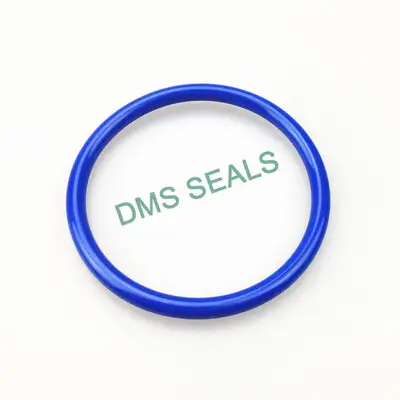

O-rings are essential sealing components in many industries, but not every application can rely on standard sealing products. Specialized equipment often operates under demanding conditions, including high pressure, extreme temperatures, chemical exposure, vibration, or continuous movement. In these environments, choosing the right seal requires more than selecting a standard size. It requires technical knowledge, suitable materials, and careful manufacturing.
An experienced O Ring Manufacturer can help businesses address these challenges by understanding their operating requirements and developing sealing solutions that match specific application needs. From material recommendations to custom production and quality testing, the manufacturer’s expertise can make a significant difference in sealing performance and equipment reliability.
Understanding the Requirements of Specialized Applications
The first step in developing an effective sealing solution is understanding the conditions in which the O-ring will operate. Different industries have different performance expectations, and even similar machines may require different sealing materials or dimensions.
An experienced manufacturer considers several factors before recommending a product:
- Operating temperature and possible temperature fluctuations.
- Pressure levels and pressure cycling.
- Contact with oils, fuels, chemicals, water, or other fluids.
- Static or dynamic sealing conditions.
- Exposure to friction, vibration, and mechanical movement.
- Required service life and maintenance intervals.
Evaluating these details helps prevent material mismatches and design problems that could cause premature seal failure.
Selecting the Right Material for Difficult Operating Conditions
Material selection is one of the most important parts of specialized O-ring manufacturing. A compound that performs well in one environment may deteriorate quickly in another. An experienced manufacturer understands how different elastomers respond to heat, chemicals, pressure, and environmental exposure.
Nitrile Rubber (NBR)
NBR is commonly used in hydraulic equipment, fuel systems, and general industrial machinery. It offers good resistance to many petroleum-based oils and fuels, making it a practical option for numerous mechanical applications.
Fluorocarbon Rubber (FKM)
FKM is frequently selected for applications involving elevated temperatures, oils, fuels, and various chemicals. It is useful in demanding automotive, industrial, and processing environments where ordinary rubber compounds may not provide sufficient resistance.
EPDM
EPDM is suitable for many water-based applications and environments involving outdoor exposure, ozone, and weathering. It is commonly considered for water systems, HVAC equipment, and certain chemical-processing applications.
Silicone Rubber
Silicone offers flexibility across a broad temperature range and is used in applications where temperature stability is important. Depending on the compound and required approvals, it may also be suitable for selected medical, food-related, and electrical applications.
Neoprene
Neoprene provides a useful balance of properties, including resistance to weathering and certain oils and chemicals. It can be considered for general industrial and outdoor sealing requirements.
An experienced manufacturer does not simply recommend the most expensive material. Instead, it evaluates the actual operating environment and helps identify a compound that meets the required performance, compatibility, and cost expectations.
Developing Custom O-Rings for Unique Equipment
Standard O-rings are available in many sizes, but specialized machinery may require dimensions that are not covered by common sizing systems. Custom manufacturing allows businesses to obtain seals designed around their equipment rather than modifying the equipment to accommodate an unsuitable component.
Custom O-ring development may involve:
- Non-standard inner diameters and cross-sectional dimensions.
- Special material compounds.
- Specific hardness requirements.
- Custom colors for identification or product requirements.
- Particular tolerances for specialized sealing grooves.
- Production quantities suited to prototype testing or regular manufacturing.
Accurate technical drawings and application information help manufacturers develop suitable products. They can also review dimensional requirements and identify potential issues before production begins.
Supporting High-Pressure and High-Temperature Applications
Some specialized applications expose O-rings to conditions that place considerable stress on sealing materials. High pressure can cause extrusion into clearance gaps, while excessive heat may accelerate aging or change the material’s elasticity.
An experienced manufacturer can help assess these risks by considering the seal’s material, dimensions, hardness, and installation design.
For high-pressure systems, factors such as extrusion gaps, pressure direction, and the possible use of backup rings may need attention. In high-temperature environments, the selected compound must retain suitable physical properties throughout the expected operating range.
The goal is to develop a sealing arrangement that performs reliably under actual working conditions, not simply under ideal laboratory conditions.
Precision Manufacturing and Dimensional Accuracy
Specialized equipment often depends on precise component dimensions. Small variations in an O-ring’s cross-section or diameter can affect compression, installation, and sealing contact.
Experienced manufacturers use controlled production methods to maintain dimensional consistency. Depending on the product design and production requirements, these methods may include compression molding, injection molding, or transfer molding.
Each process has its own advantages. The appropriate choice depends on factors such as compound characteristics, part geometry, tooling requirements, and production volume.
Careful control of molding and curing conditions is also important. Inconsistent processing can lead to defects, dimensional variation, or changes in material properties. Skilled production teams help reduce these risks by monitoring manufacturing parameters and following defined procedures.
Quality Testing for Application-Specific Performance
Quality inspection is particularly important when O-rings are used in critical or specialized equipment. A component may look acceptable but still fail to meet the physical or dimensional requirements of its intended application.
A capable manufacturer may use several inspection and testing methods, depending on the agreed specifications.
Dimensional inspection: Checks the inner diameter, outer diameter, and cross-sectional thickness against required tolerances.
Hardness testing: Evaluates the resistance of the rubber material to indentation and helps verify compound consistency.
Tensile and elongation testing: Measures how the material responds to stretching and mechanical stress.
Compression set testing: Assesses the material’s ability to recover after prolonged compression, an important consideration for many static sealing applications.
Visual inspection: Identifies surface defects such as cracks, cuts, flash, contamination, or incomplete molding.
Not every application requires every test. Testing should be selected according to the operating conditions, technical specifications, and relevant industry requirements.
Technical Guidance Throughout Product Development
An experienced O-ring manufacturer can contribute more than production capacity. Technical support during product development helps businesses make informed decisions before committing to large orders.
For example, a manufacturer may review a customer’s drawings, discuss material compatibility, recommend suitable hardness, or identify dimensional concerns. This collaboration can help avoid repeated design changes and reduce the risk of selecting an unsuitable seal.
For new equipment, early technical involvement is especially valuable. Engineers and manufacturers can work together to establish sealing requirements before the final design is approved.
For existing machinery, technical guidance may help identify why current seals are failing and whether changes to the material, dimensions, or installation arrangement could improve performance.
Applications That Benefit from Specialized O-Ring Manufacturing
Many industries depend on O-rings designed for specific operating conditions. Some common examples include:
Automotive and Transportation
Vehicles use O-rings in engines, transmissions, fuel systems, air-conditioning equipment, and hydraulic assemblies. These applications may involve temperature fluctuations, fluid exposure, and vibration.
Medical and Healthcare Equipment
Medical devices and related equipment may require carefully selected materials, controlled manufacturing, and specific regulatory or biocompatibility documentation. The exact requirements depend on the intended use and applicable regulations.
Food and Beverage Processing
Sealing components used in food-processing equipment may need materials suitable for repeated cleaning, exposure to processing fluids, and applicable food-contact requirements. Buyers should verify the relevant material approvals rather than assuming that every elastomer is suitable.
Oil, Gas, and Chemical Processing
These environments can expose seals to aggressive fluids, high pressures, and demanding temperatures. Material compatibility and application-specific testing are especially important.
Hydraulic and Pneumatic Systems
O-rings are used in cylinders, valves, pumps, and other equipment where dependable fluid or air sealing is necessary. Correct sizing and resistance to operating pressure are key considerations.
Why Long-Term Manufacturing Experience Matters
Experience helps manufacturers recognize challenges that may not be obvious from dimensions alone. They may have encountered similar applications, material limitations, or production issues and can use that knowledge to guide new projects.
An established manufacturing partner can also support repeat orders by maintaining product specifications, documenting material details, and monitoring consistency between batches.
When evaluating a manufacturer, businesses should consider more than years in operation. Useful indicators include:
- Knowledge of different elastomer materials and their limitations.
- Experience with custom O-ring designs.
- Documented production and inspection procedures.
- Ability to provide relevant test reports and material information.
- Clear communication about technical requirements.
- Reliable production capacity and delivery planning.
These factors help determine whether a manufacturer can support both immediate requirements and future product development.
Conclusion
Specialized applications require sealing components that can withstand their particular operating conditions. Material compatibility, dimensional precision, production control, and appropriate testing all contribute to reliable O-ring performance.
An experienced O-ring manufacturer supports these requirements through technical guidance, custom product development, and consistent manufacturing practices. By choosing a partner with the right knowledge and capabilities, businesses can reduce sealing problems, improve equipment reliability, and develop solutions suited to their long-term operational needs.