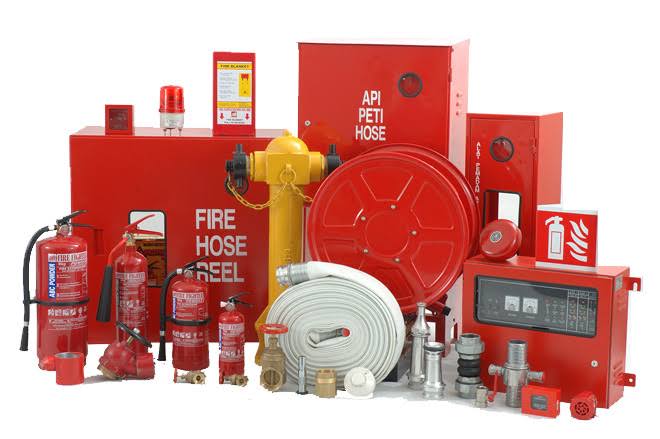

A fire protection system must deliver the required extinguishing medium through a coordinated network of equipment. Pipes, pumps, valves, outlets, and hoses each perform a defined task, and weaknesses in one part can affect the whole arrangement. Hoses are particularly important where flexibility is needed for deployment, equipment connection, or access to an area beyond a fixed outlet. Selecting them correctly requires an understanding of the system’s design and the conditions under which the hose will operate.
A Fire Protection Hose should be chosen according to its specific role within the fire safety arrangement. A hose used on a fixed reel may have different construction and handling requirements from a delivery hose used by a fire service or a flexible connection specified for equipment. The product must meet the relevant pressure, flow, material, dimensional, and approval requirements. General-purpose fluid hoses should not be assumed suitable for life-safety applications.
Define the application before procurement
The first step is to establish what the hose is expected to do. Will it form part of a fixed building installation, connect a pump to pipework, carry water from a hydrant, or be deployed by trained responders? Each situation creates different demands in terms of length, diameter, flexibility, storage, and frequency of use.
The system design should identify the required operating conditions and compatible equipment. This information helps prevent a common procurement mistake: selecting a product based on a broad description without checking whether it matches the actual service. If the intended use is unclear, the responsible fire protection designer or maintenance specialist should clarify it before a purchase is made.
Flow capacity and pressure loss
A hose’s internal diameter affects how much water can pass through it and the resistance encountered along its length. Longer runs and smaller internal passages can increase friction losses, which may reduce pressure available at the outlet. The system’s pump capacity, water source, elevation, nozzle, and required flow all influence the appropriate hose specification.
A larger diameter is not automatically the best choice. It may increase weight and handling demands, while the rest of the system may not be designed to use the additional capacity. Correct sizing should be established through the system’s hydraulic requirements and manufacturer data.
Materials and reinforcement
Hose materials must withstand the environment and the conveyed medium. Common construction approaches include rubber linings, synthetic polymer layers, textile reinforcement, and protective outer jackets. The combination determines flexibility, resistance to abrasion, pressure performance, and expected service conditions.
For outdoor installations, resistance to weathering and sunlight may be important. Industrial environments may require additional consideration of oils, chemicals, heat, or mechanical damage. Buyers should consult the manufacturer’s compatibility information rather than assume that a material will tolerate every exposure.
Connection and system integration
Hose couplings need to match the hydrants, pumps, valves, reels, nozzles, and other appliances to which they will connect. Confirm the nominal size, coupling profile, thread, locking method, and sealing arrangement. Where multiple equipment standards exist, a fitting that looks close to the required type may still fail to connect safely.
The hose and its fittings should also have compatible pressure ratings. A high-rated hose does not make an assembly safe if its coupling or attachment is unsuitable. Approved adapters may be used where specified by the system designer, but improvised combinations should be avoided.
Installation, storage, and accessibility
A fixed hose should be installed where it can be reached and deployed in accordance with the building’s approved fire safety plan. Cabinets and reels should not be obstructed by furniture, stored goods, or locked barriers that delay access. The hose should be arranged to unwind without snagging, twisting, or being trapped.
Portable hoses need storage that protects them from crushing, sharp edges, excessive heat, and damaging chemicals. After use, cleaning and drying should follow manufacturer instructions. Correct storage can reduce unnecessary wear and make defects easier to identify during inspection.
Inspection and ongoing maintenance
Checks should cover the hose body, couplings, seals, mounting arrangements, and associated valves or reels. Look for cuts, cracks, blisters, corrosion, deformation, leakage, and signs of aging. Operational testing and pressure testing should be conducted at the intervals and by the methods required by applicable standards and manufacturer guidance.
Any damaged or uncertain component should be assessed by qualified personnel and removed from service where necessary. Maintenance records should document inspections, defects, tests, repairs, and replacements so that the condition of the system can be tracked over time.
Reliability comes from system-wide planning
A reliable fire protection hose is one that fits its intended duty and works with the rest of the installation. Clear specifications, compatible fittings, appropriate storage, accessible placement, and scheduled maintenance all contribute to readiness. Treating hose selection as part of the overall system design helps reduce avoidable failures and supports consistent fire safety management.