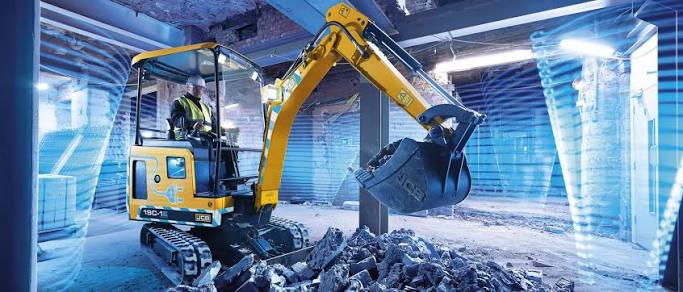

Purchasing construction equipment involves obtaining accurate information about technical specifications, operating requirements, commercial terms, and after-sales support. Buyers may find that product descriptions provide an overview but do not answer every question relevant to their own projects. Asking suppliers targeted questions can help clarify limitations, identify additional costs, and establish whether a machine is suitable for the intended work.
Before committing to an electric mini excavator for sale, contractors should prepare a list of questions covering performance, battery operation, charging, attachments, maintenance, warranty, delivery, and service arrangements. A supplier’s ability to provide clear and relevant information can help buyers evaluate the equipment more thoroughly. The purchasing process should be based on documented details rather than assumptions about what the machine can do.
Questions About Intended Applications
The first questions should concern the machine’s suitability for the buyer’s work. Contractors should explain the types of excavation they expect to perform and ask whether the model is appropriate for those tasks.
They may want to discuss trenching, landscaping, ground preparation, construction work, maintenance, or restricted-access applications. Suppliers should provide information about relevant operating limitations and specifications.
Buyers should be cautious about assuming that a machine is suitable for every application simply because it is described as versatile. Its capabilities should be confirmed against the actual project requirements.
Questions About Technical Specifications
Suppliers should provide clear technical information, including operating weight, overall dimensions, digging depth, reach, bucket capacity, digging performance, and relevant safety features.
Buyers should ask for clarification when specifications are unclear or when different models are difficult to compare.
They should also confirm which configurations the specifications refer to and whether attachments or other equipment affect dimensions or operating characteristics.
Questions About Battery Performance
Battery-related questions should include capacity, expected operating duration, charging time, charging requirements, and recommended operating practices.
Buyers should ask how operating duration is affected by workload, soil conditions, attachments, terrain, and temperature. They should also clarify the conditions associated with any performance information provided.
Battery-related warranty terms and technical support should be reviewed. Buyers should understand what coverage applies and what responsibilities they have for battery care.
Questions About Charging Infrastructure
The supplier should explain the required electrical supply, compatible charging equipment, connection arrangements, and any installation considerations.
Buyers should ask whether existing facilities are likely to be suitable and what information is needed to confirm compatibility.
They should also discuss charging arrangements for equipment used at different locations. The company should establish whether its planned charging schedule is realistic and whether additional infrastructure costs may be necessary.
Questions About Attachments
Contractors should ask which attachments are compatible with the machine and whether the intended tools are available.
Compatibility should include mounting arrangements, machine capacity, and relevant hydraulic or electrical requirements. Buyers should also clarify whether attachments are included in the purchase price or quoted separately.
The supplier should provide appropriate operating information and explain any limitations associated with attachment use.
Questions About Maintenance and Service
Maintenance questions should cover service intervals, routine inspections, battery care, mechanical and hydraulic maintenance, technical support, and replacement parts.
Buyers should ask how service requests are handled and whether support is available within a practical timeframe. They should also determine which tasks can be completed by their personnel and which require specialist assistance.
Maintenance documentation should be available before purchase so that the company can prepare its equipment management procedures.
Questions About Warranty and Commercial Terms
Warranty coverage should be reviewed carefully. Buyers should ask what components are covered, how long coverage applies, what conditions affect it, and how claims are handled.
Commercial questions should include the purchase price, delivery arrangements, payment terms, transport, additional equipment, charging infrastructure, and any other costs.
Written confirmation of important terms can help prevent misunderstandings.
Questions About Demonstration and Delivery
If possible, buyers should request a demonstration or practical assessment. They can ask whether the machine can be evaluated using tasks similar to their intended work.
Delivery questions should cover transport requirements, unloading, documentation, operator familiarisation, and any preparation required before the machine can be used.
Conclusion
Asking suppliers the right questions helps contractors understand an electric mini excavator’s capabilities, limitations, charging requirements, maintenance responsibilities, and commercial terms. A detailed discussion can reveal whether the equipment fits the intended applications and whether the supplier can provide appropriate support. Buyers who prepare questions in advance and obtain clear answers can make more informed purchasing decisions and reduce uncertainty after delivery.