

BUSINESS
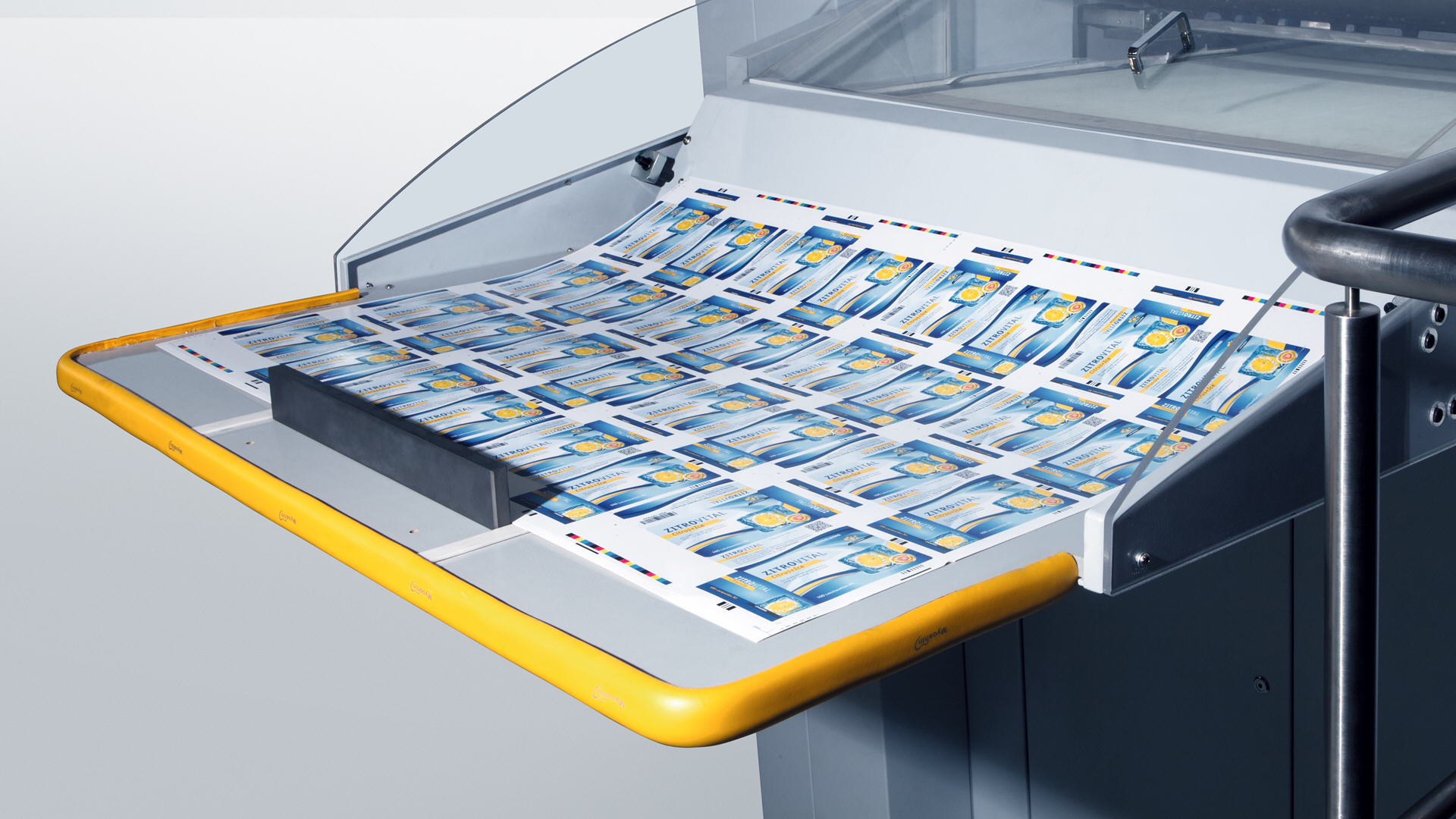
Flatbed Die Cutter: The Technology Behind Precision Packaging and Print Finishing
Walk through any supermarket, electronics store, or e-commerce warehouse, and you'll see thousands o...

The financial priorities of Singapore’s middle class have always reflected the city-state’s broader anxieties about cost of living, retirement adequacy, and the shrinking accessibility of property as a wealth-building tool. For decades, the conversation around household wealth followed a fairly predictable arc: CPF contributions, HDB upgrading, perhaps a unit trust or two, and if circumstances allowed, a private property investment that would appreciate steadily over time. That arc has not disappeared, but it has developed new branches, and one of them leads into the currency market.
Forex trading has entered this conversation not through aggressive marketing or viral social media moments, but through a slower and more credible process of peer recommendation. Middle class Singaporeans in their thirties and forties tend to be cautious about financial novelty, shaped by an educational culture that emphasises measured decision-making over speculative enthusiasm. When currency trading comes up in their circles, it tends to arrive through someone who has been doing it quietly for a year or two and has something concrete to show for the effort. That kind of social proof carries considerably more weight than any advertisement.
The demographic profile of people driving this shift is worth examining closely. Many are analytically minded professionals, including accountants, engineers, project managers, and healthcare workers, who bring structured thinking to their financial decisions. They are not drawn to forex trading by the promise of overnight wealth. They are drawn by the logic of diversification, by the appeal of a market that operates across time zones and responds to macroeconomic forces they already follow as informed citizens. The same person who tracks US Federal Reserve statements for professional reasons finds it a natural extension to consider how those statements move currency pairs.
What the middle class demands before committing is a framework they can trust. That means regulated brokers licensed by the Monetary Authority of Singapore, platforms with transparent cost structures, and educational resources that treat them as informed participants rather than targets for simplistic marketing. The rise in reputable forex trading academies in Singapore, which feature courses and programs offered online, mentorship programs in the community, and analytical materials shared on trading websites such as TradingView, has made it easier for this group to develop real-world skills and confidence before committing substantial funds to trading.
This group is influenced by the time dimension in their participation. Due to full-time work, family commitments and the overall hectic lifestyle, it is difficult to do much active monitoring of the market. The setups for swing trading (based on days or weeks, not minutes) have appealed to many people here. Position management through mobile platforms during commutes or lunch breaks suits a lifestyle that cannot accommodate screen-watching as a primary activity. The market’s capacity to accommodate participants on their own schedule rather than demanding constant attention is one of the features that middle class Singaporeans find genuinely practical.
What is perhaps most significant about this shift is what it signals about financial confidence. Choosing to engage seriously with forex trading requires a belief that one’s own analytical capacity is worth developing. Making a leap into the world of global money markets at a time when building wealth seemed to demand either a lot of money or a professional intermediary is more than just a financial decision. It is a gradual change in the mindset of Singaporeans with regard to their economic agency, especially the middle class.


El consumo de cerveza en México ha evolucionado hacia opciones más ...

Walk through any supermarket, electronics store, or e-commerce warehouse, and you'll see thousands o...BUSINESS
May 31, 2026
Admin
Flatbed Die Cutter: The Technology Behind Precision Packaging and Print Finishing