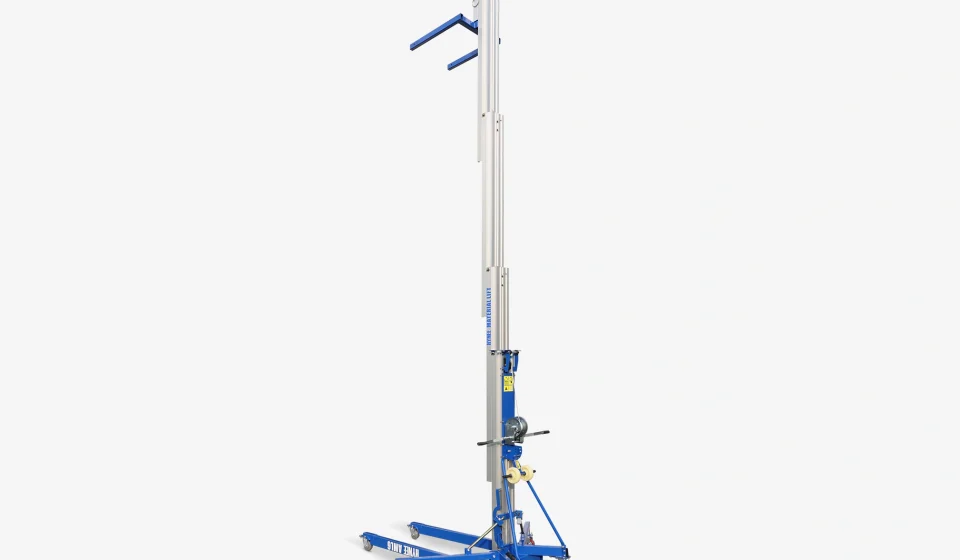

When purchasing lifting equipment, one of the first decisions you’ll face is whether to buy directly from a material lifts manufacturer or work with an equipment dealer. Both options have advantages, but the right choice depends on your budget, project requirements, technical needs, and long-term business goals.
Understanding the differences between manufacturers and dealers can help you make an informed decision and ensure you invest in equipment that delivers reliability, safety, and value.
What Is a Material Lifts Manufacturer?
A material lifts manufacturer is a company that designs, engineers, tests, and produces material lifting equipment. Manufacturers oversee the entire production process, from selecting raw materials to final quality inspections.
Their responsibilities typically include:
- Product design and engineering
- Manufacturing and assembly
- Quality control
- Product testing
- Research and development
- Technical support
Because manufacturers build the equipment themselves, they have in-depth knowledge of every component and feature.
What Is an Equipment Dealer?
An equipment dealer acts as a distributor or reseller of lifting equipment produced by one or more manufacturers. Dealers purchase products from manufacturers and sell them to businesses and individual customers.
Many dealers also provide services such as:
- Product demonstrations
- Equipment delivery
- Maintenance services
- Spare parts sales
- Equipment rentals
- Local customer support
Dealers often serve as a convenient point of contact for buyers in specific regions.
Advantages of Buying from a Material Lifts Manufacturer
Purchasing directly from a material lifts manufacturer offers several benefits.
Better Product Knowledge
Manufacturers have complete technical knowledge of their equipment. They can answer detailed questions about product specifications, engineering, and performance.
Greater Customization
If your business has unique lifting requirements, manufacturers are often better equipped to offer customized solutions.
Customization may include:
- Different lifting heights
- Custom load capacities
- Specialized accessories
- Modified dimensions
- Industry-specific configurations
Consistent Product Quality
Manufacturers control every stage of production, allowing them to maintain consistent quality standards across all products.
Direct Technical Support
When technical questions arise, manufacturers can often provide faster and more accurate assistance because they designed and built the equipment.
Advantages of Buying from an Equipment Dealer
Dealers also provide valuable benefits, particularly for businesses seeking local service.
Local Availability
Equipment dealers often maintain inventory, allowing customers to purchase equipment without waiting for factory production.
Personalized Service
Many dealers develop close relationships with local customers and can provide on-site assistance, demonstrations, and maintenance.
Multiple Brand Options
Unlike manufacturers, dealers may offer equipment from several brands, making it easier to compare different models in one location.
Convenient Maintenance
Local dealers often provide repair services, routine inspections, and replacement parts, reducing downtime for nearby customers.
Comparing Manufacturers and Dealers
Here is a simple comparison of the two options:
| Feature | Material Lifts Manufacturer | Equipment Dealer |
|---|---|---|
| Product Design | Designs and builds equipment | Sells products from manufacturers |
| Technical Expertise | Extensive product knowledge | Good product knowledge |
| Customization | Often available | Usually limited |
| Product Selection | Own product range | Multiple brands available |
| Local Service | May depend on location | Often provides local support |
| Inventory | May require production time | Frequently has stock available |
Which Option Offers Better Value?
The answer depends on your business requirements.
Buying directly from a material lifts manufacturer may be the better choice if you:
- Need customized equipment
- Require detailed technical support
- Plan large-volume purchases
- Want direct access to the engineering team
- Prefer purchasing from the original source
Working with an equipment dealer may be ideal if you:
- Need equipment immediately
- Prefer local service and maintenance
- Want to compare multiple brands
- Require rental options
- Value nearby customer support
Factors to Consider Before Choosing
Before deciding, evaluate the following:
- Product quality
- Manufacturer’s experience
- Dealer reputation
- Warranty coverage
- Spare parts availability
- Technical support
- Delivery time
- Maintenance services
- Safety certifications
- Overall cost of ownership
Looking beyond the purchase price helps ensure you receive the best long-term value.
Can You Benefit from Both?
In many cases, businesses enjoy the advantages of both options. Some manufacturers work closely with authorized dealers who provide local sales, maintenance, and customer service while maintaining the manufacturer’s quality standards.
This combination allows customers to receive factory-built equipment along with convenient local support.
Conclusion
Choosing between a material lifts manufacturer and an equipment dealer depends on your specific operational needs, budget, and long-term goals. Manufacturers offer direct expertise, customization, and complete product knowledge, while dealers provide local availability, convenient service, and access to multiple equipment options.
By carefully evaluating product quality, technical support, maintenance services, and overall value, businesses can select the purchasing option that best supports their operations. Whether buying directly from a manufacturer or through a trusted dealer, choosing high-quality lifting equipment is an investment that improves workplace safety, productivity, and long-term efficiency.