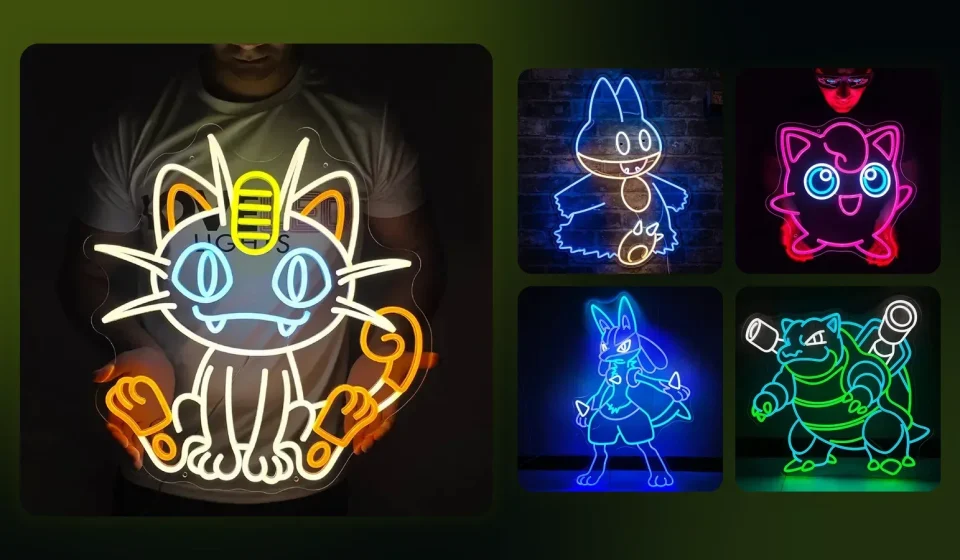

Two signs can look identical in a photograph and perform very differently after six months. The difference usually lies in quality control, the unseen checks that catch defects before a product ships. Understanding them helps you spot reliable work.
A dependable led sign manufacturer builds quality checks into each stage, from incoming materials to final packing, rather than relying on one inspection at the end. The points below show what good quality control looks like.
Incoming Material Inspection
Quality starts before production. Reliable factories test LEDs, power supplies, and acrylic sheets when they arrive.
They check for consistent color, correct voltage, clean surfaces, and proper thickness. Rejecting poor materials early prevents problems later.
Precision in Cutting and Fabrication
Accurate cutting produces tight joints and even gaps. Poor precision leads to light leaks, uneven edges, and weak seams.
Look closely at corners and edges in photos or samples. Clean, smooth lines are a good sign of controlled processes.
Consistent LED Placement
Even spacing is essential for uniform glow. If LEDs are too far apart, dark patches appear. If they are bunched together, hot spots form.
Good manufacturers follow measured layouts and use jigs or templates to keep placement consistent across every unit.
Soldering and Wiring Standards
Weak solder joints are a hidden cause of failure. Careful workers produce neat, shiny connections with proper insulation.
Wiring should be tidy, strain-relieved, and correctly rated for the current it carries. Messy wiring is a warning sign.
Waterproofing Tests
For outdoor signs, sealing is critical. Common methods include:
- Spray or water-jet tests
- Pressure checks on enclosures
- Inspection of gaskets and sealant lines
- Use of potting compounds on sensitive electronics
A sign advertised as waterproof should have documented testing to support the claim.
Electrical Safety Checks
Testing should confirm insulation resistance, grounding, and stable output voltage. These checks reduce the risk of shock, fire, or equipment damage.
Certifications such as UL, ETL, or CE indicate that products or components meet recognized safety standards.
Burn-In or Aging Tests
Many early failures appear within the first hours of operation. Burn-in testing runs each sign continuously for several hours, sometimes longer, to reveal weak parts.
A sign that has passed this test is far less likely to fail after installation.
Color and Brightness Consistency
When ordering multiple signs, they should look the same. Quality teams compare units side by side and use measuring tools to confirm uniform brightness and color.
Inconsistency is especially noticeable in sets of letters or matching signs across several locations.
Final Visual Inspection
Inspectors look for scratches, fingerprints, glue marks, dust inside the sign, and loose parts. They also check dimensions against the approved drawing.
This stage catches cosmetic issues that functional tests may miss.
Packaging Inspection
Good packaging is part of quality. Foam, corner protectors, and sturdy cartons prevent damage during transit.
Accessories should be counted and labeled so nothing goes missing.
Documentation and Traceability
Reliable factories record batch numbers, test results, and inspection dates. If a problem arises, they can trace the cause and fix it.
This record-keeping also supports warranty claims and repeat orders.
How You Can Check Quality as a Buyer
- Ask for the factory’s inspection checklist
- Request photos or video of testing
- Inspect samples before large orders
- Read warranty terms carefully
- Check independent reviews for recurring defects
Final Thoughts
Great LED signs are the result of consistent processes, not luck. Material checks, precise assembly, safety testing, and burn-in routines all contribute to lasting performance. When you evaluate suppliers, ask how they control quality, because their answers often predict the experience you will have.