
Ordering plants in bulk requires more preparation than selecting varieties from a product catalog. Commercial nurseries, garden centers, plant retailers, and professional growers need to consider plant quality, shipping arrangements, growing requirements, and total purchasing costs before confirming an order. These factors are especially important when buying young plants that require additional care before reaching a saleable size.
Before purchasing Tissue Culture Plants Wholesale, buyers should understand how tissue culture plants are produced, what condition they will arrive in, and what resources are needed to establish them successfully. Careful preparation can help reduce avoidable losses, improve production planning, and create a smoother purchasing experience.
1. Understand What Tissue Culture Plants Are
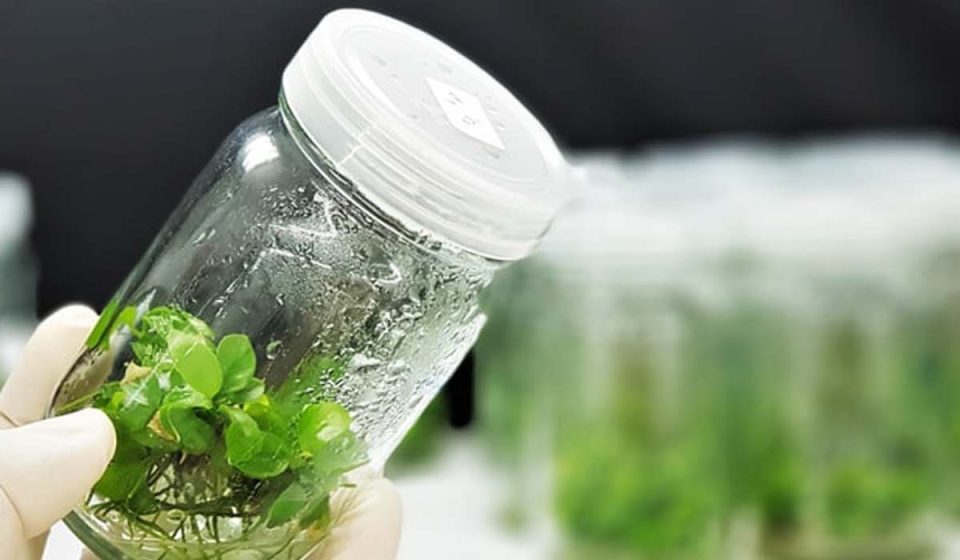
Tissue culture is a plant propagation method in which small pieces of plant tissue are grown under controlled laboratory conditions. The process generally uses a suitable nutrient medium and a carefully managed environment to encourage plant development.
This technique is widely used in ornamental horticulture because it can support the production of large numbers of plants from selected source material. Depending on the species and propagation process, tissue culture can also help maintain consistent plant characteristics.
However, tissue culture plants are not necessarily ready for immediate retail sale. Many are supplied at an early development stage and need to be transferred gradually from laboratory conditions to a nursery or greenhouse environment.
Buyers should clarify the exact product stage before ordering. Terms such as in-vitro plantlets, rooted plantlets, and acclimatized young plants describe different stages and should not be treated as interchangeable.
2. Confirm Plant Varieties and Product Specifications
A product name alone may not provide enough information to determine whether a plant is suitable for a commercial growing operation. Buyers should review the botanical name, cultivar or variety, plant stage, and other relevant specifications.
For tropical plant orders, commonly requested varieties may include Monstera, Philodendron, Alocasia, Anthurium, and other ornamental foliage plants. Each group has different growth characteristics and environmental requirements.
Before confirming an order, check:
- Exact botanical names and cultivar information
- Plant size and development stage
- Root condition and general appearance
- Quantity supplied per unit or batch
- Current availability and production lead time
- Recent photographs or videos of representative plants
If a variety is particularly important to your business, request written confirmation of its identity and specifications. This can help prevent misunderstandings when similar cultivars have different commercial names.
3. Evaluate the Supplier Carefully
Supplier selection can have a significant effect on the quality and reliability of wholesale purchasing. A professional supplier should be able to explain its product range, order requirements, quality procedures, and shipping arrangements clearly.
Do not rely entirely on promotional descriptions or low prices. Instead, assess the supplier’s ability to provide accurate information and meet agreed requirements.
Useful questions include:
- How are plants inspected before dispatch?
- What varieties are currently available?
- What are the minimum order quantities?
- How are plants packaged for transportation?
- What shipping methods are offered?
- Which documents are provided for international orders?
- How are damaged or unsuitable plants reported?
It is also sensible to review business information, previous customer feedback where available, and the supplier’s experience with commercial plant shipments.
4. Check Plant Quality Before Dispatch
Plant condition at dispatch is an important consideration because it can influence how successfully a batch establishes after delivery. Buyers should ask how the supplier evaluates plant health and prepares material for transportation.
For tissue culture plants, relevant quality indicators may include healthy-looking tissue, appropriate development for the stated stage, and freedom from visible damage or abnormalities.
Where possible, request recent batch photographs rather than relying only on general catalog images. Clarify whether the images represent the actual available batch or an example of the variety.
It is also useful to agree on the specifications that will be used to assess the shipment. Clear expectations make it easier to identify discrepancies and communicate concerns if the delivered plants do not match the order.
5. Understand Minimum Order Quantities and Pricing
Wholesale suppliers may set minimum order quantities based on variety, packaging format, production availability, or shipping requirements. Buyers should confirm these conditions before making purchasing decisions.
Pricing should also be evaluated beyond the quoted unit cost. The full expense of receiving and establishing plants may include:
- Plant purchase price
- Packaging and handling
- International freight
- Import duties and customs charges
- Inspection and documentation fees
- Growing media and containers
- Acclimatization labor and maintenance
Comparing the total estimated cost per saleable plant provides a more useful basis for supplier evaluation than comparing unit prices alone.
6. Review Shipping and Packaging Arrangements
Tissue culture plants can be sensitive to unsuitable handling and transportation conditions. Packaging should protect the plant material against physical damage and help maintain its condition during transit.
Before placing an order, buyers should understand the supplier’s packaging format and how it relates to the plant stage. The requirements for in-vitro material may differ from those for rooted or acclimatized young plants.
Confirm the following details:
- Packaging method and protective materials
- Expected dispatch and delivery dates
- Available shipping services
- Shipment tracking arrangements
- Responsibility for freight and additional charges
- Procedures for reporting transit damage
For international shipments, transportation time and customs clearance should be included in the planning process. Delays may affect plant condition, so buyers should understand how shipments are prepared for the expected journey.
7. Check Import Regulations and Required Documents
Importing live plant material involves regulatory requirements that vary by destination country, plant species, and shipment type. Buyers should investigate these requirements before placing an order rather than assuming that the supplier will handle every procedure.
Depending on the destination, relevant requirements may include:
- Plant import permits
- Phytosanitary certificates
- Commercial invoices
- Packing lists
- Customs declarations
- Additional inspection or quarantine procedures
Some countries impose restrictions on particular plant species or growing media. Tissue culture material may have different import conditions from established plants, but buyers should verify the rules with the relevant plant protection authority.
Clear communication about documentation can help prevent shipment delays, unexpected expenses, or problems at the border.
8. Prepare Facilities for Acclimatization
One of the most important steps in wholesale tissue culture purchasing is preparing for the plants’ arrival. Many tissue culture plantlets develop under controlled laboratory conditions with high humidity and limited exposure to external environmental changes.
When transferred to a greenhouse, they may need a gradual adjustment period. This process is commonly called acclimatization or hardening off.
Before delivery, prepare:
- A clean and suitable growing area
- Appropriate containers and growing media
- Controlled humidity and airflow
- Suitable light conditions
- Reliable temperature management
- Clean tools and handling equipment
The exact requirements depend on the plant species and the condition in which it arrives. Buyers should follow supplier guidance and adjust conditions according to the plants’ response.
9. Plan Labor and Growing Time
Wholesale orders can contain hundreds or thousands of young plants. Processing these batches requires enough staff and time for inspection, handling, planting, monitoring, and routine maintenance.
Buyers should estimate how much labor will be needed during the first few days after delivery and throughout the establishment period.
It is also important to account for the time required before plants reach a suitable selling size. Growth rates vary according to species, variety, environmental conditions, and cultivation practices.
Building realistic timelines into production schedules can help nurseries avoid promising customers stock before it is ready.
10. Consider Starting With a Trial Order
For buyers working with a new supplier, a trial order can provide useful information before a larger purchasing commitment is made.
A manageable initial order allows the business to assess plant condition, packaging quality, delivery performance, and acclimatization results under its own growing conditions.
During the trial, keep records of:
- Order and delivery dates.
- Quantity received and accepted.
- Condition of plants upon arrival.
- Losses during acclimatization.
- Time required for establishment.
- Communication and after-sales support.
These records provide a practical basis for deciding whether to place repeat orders or increase purchasing quantities.
11. Establish Clear Expectations With the Supplier
Good communication helps both parties understand their responsibilities. Before payment, buyers should confirm the product specifications, order quantity, delivery terms, payment conditions, and documentation arrangements in writing.
It is also important to clarify what happens if the shipment is delayed, the delivered quantity differs from the order, or plants arrive with visible damage.
Keeping order confirmations, invoices, shipment records, and correspondence organized can make future purchasing easier. It also provides useful documentation if a problem needs to be resolved.
Conclusion
Ordering tissue culture plants wholesale can help commercial growers expand their plant selection and organize production around planned quantities. However, successful purchasing depends on more than choosing attractive varieties or comparing supplier prices.
Buyers should verify plant specifications, evaluate supplier reliability, understand shipping and import requirements, and prepare suitable facilities for acclimatization. By addressing these details before placing an order, nurseries and plant retailers can make more informed sourcing decisions and manage wholesale plant purchases with greater confidence.