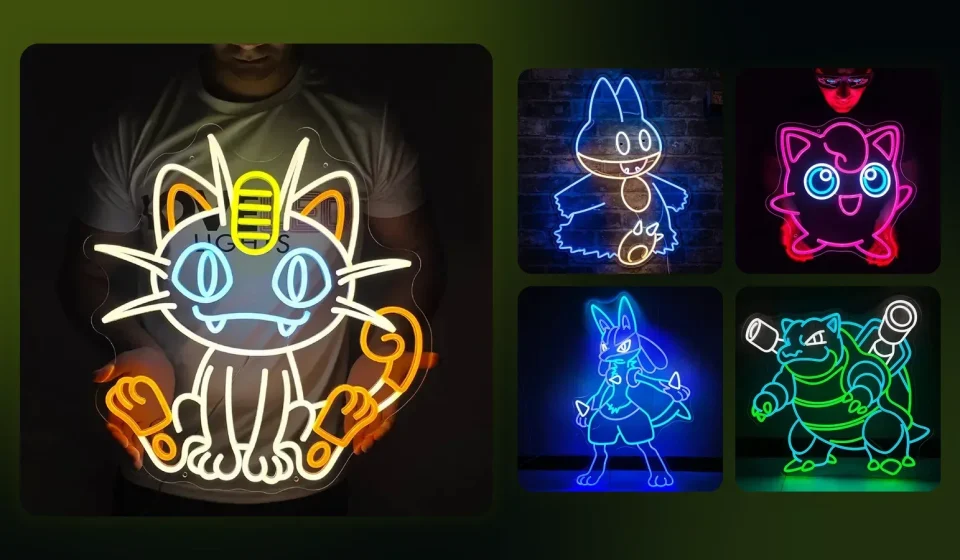

Neon signs have become an important part of modern commercial branding, offering businesses an effective way to display their names, logos, and creative messages. From illuminated storefront lettering to decorative interior displays, custom neon signage combines visual design with specialized lighting technology. However, producing a high-quality sign involves several carefully coordinated stages, beginning with an initial concept and ending with a finished product ready for installation.
A professional Neon Sign Manufacturer brings together design expertise, suitable materials, technical knowledge, and production equipment to transform creative ideas into functional signage. Understanding each stage of this process helps businesses make better purchasing decisions and communicate their requirements more effectively.
1. Initial Consultation and Project Planning
Every custom neon sign begins with understanding the customer’s requirements. Before production starts, manufacturers need to know how the sign will be used, where it will be installed, and what visual message it should communicate.
During the initial consultation, several details are typically discussed:
- Business name, logo, or desired message.
- Preferred colors, fonts, and lighting effects.
- Sign dimensions and overall shape.
- Indoor or outdoor installation requirements.
- Budget and expected delivery schedule.
These details establish the foundation for the project. Clear communication at this stage helps prevent misunderstandings and ensures that the proposed design meets the customer’s expectations.
2. Concept Development and Digital Design
Once the project requirements are established, the creative concept is developed into a digital design. Designers use specialized software to create layouts that demonstrate how the finished sign will look.
This stage involves selecting typography, adjusting spacing, arranging graphic elements, and determining the overall proportions. For businesses requesting illuminated logos, designers must also consider how the original artwork can be adapted to suit neon lighting technology.
Digital previews are particularly useful because customers can review the proposed appearance before manufacturing begins. Any necessary adjustments can be made without wasting physical materials.
3. Material Selection and Component Preparation
Choosing suitable materials is essential for achieving the desired appearance and performance. Modern LED neon signs generally use flexible LED strips enclosed in silicone or PVC housing, creating a continuous illuminated effect.
Other important components include acrylic backing boards, electrical connectors, mounting accessories, and compatible power supplies.
Material selection depends on several considerations, such as:
- Durability: Components should suit the expected operating environment.
- Lighting performance: LED quality influences brightness and color consistency.
- Flexibility: Suitable materials allow manufacturers to create different lettering styles and shapes.
- Electrical compatibility: Power supplies must match the requirements of the lighting system.
- Installation needs: Backing and mounting materials should support the sign securely.
For outdoor signage, manufacturers may also need to consider moisture resistance, sunlight exposure, and temperature variations.
4. Preparing the Artwork for Manufacturing
After the customer approves the digital design and material specifications, the artwork is converted into production-ready instructions.
This stage involves checking dimensions, identifying cutting requirements, and adjusting design elements to accommodate the physical properties of the lighting materials.
For example, very small lettering or extremely tight curves may not be suitable for every type of LED neon tubing. Manufacturers may recommend minor design changes to maintain readability and achieve smooth illumination.
Proper preparation helps ensure that the production team can follow accurate specifications throughout the manufacturing process.
5. Cutting and Shaping the Sign Components
Physical production begins with preparing the backing material according to the approved design. Acrylic is commonly used because it can be cut into customized shapes and provides a stable surface for attaching lighting components.
Depending on the project, manufacturers may use precision cutting equipment to produce letters, symbols, logos, or custom-shaped panels.
The flexible LED neon tubing is then measured and shaped to follow the design. Skilled technicians carefully position the tubing around curves, lettering, and graphic elements to maintain consistent spacing and a clean appearance.
Accuracy during this stage is important because small alignment errors can affect the final visual result.
6. LED Installation and Electrical Assembly
Once the backing and lighting materials are prepared, technicians begin assembling the sign. The LED neon tubing is attached to the backing using appropriate fixing methods.
Electrical connections are then completed according to the system’s specifications. This includes connecting the lighting components, wiring, connectors, and compatible power supply.
The electrical assembly must be properly arranged and insulated to support reliable operation. Manufacturers should also ensure that the design allows convenient access to the power connection during installation.
For larger signs or complex designs, additional attention may be required to organize wiring and maintain a neat finished appearance.
7. Quality Control and Product Testing
Quality inspection is one of the most important stages of neon sign manufacturing. Before a product is approved for packaging, it should undergo appropriate checks to identify defects and confirm that it meets the agreed specifications.
Typical inspection procedures include:
- Checking whether illumination is consistent across the sign.
- Confirming that colors match the approved design.
- Inspecting LED tubing placement and attachment.
- Testing electrical connections and power supply functionality.
- Reviewing edges, joints, and overall finishing.
- Checking structural stability and mounting components.
Testing helps identify problems before delivery and reduces the likelihood of customers receiving products that do not match their expectations.
8. Final Finishing and Packaging
After successful testing, the sign moves into the finishing stage. Technicians inspect its overall appearance, clean the surface, and ensure that any visible components are properly arranged.
Protective packaging is then prepared to minimize the risk of damage during transportation. Since custom neon signs may contain delicate lighting elements and backing materials, suitable cushioning and strong outer packaging are particularly important.
For international shipments, manufacturers should also consider the additional handling involved in long-distance transportation.
9. Shipping and Installation Preparation
The final manufacturing stage involves preparing the finished sign for delivery. Customers should receive relevant information about installation, electrical requirements, mounting accessories, and operating instructions.
Installation requirements vary depending on the sign’s dimensions, weight, and intended location. Smaller displays may be suitable for simple wall mounting, while larger commercial signs may require professional installation.
For outdoor applications, customers should confirm that the product has suitable environmental protection and mounting arrangements.
Proper installation helps maintain the sign’s stability and supports reliable long-term operation.
Factors That Influence the Manufacturing Timeline
The time required to manufacture a custom neon sign depends on the complexity of the design and the production requirements.
Several factors can influence the overall schedule:
Design complexity: Detailed logos, multiple colors, and unusual shapes may require additional preparation.
Material availability: Specialized materials or components can affect production schedules.
Order quantity: Large orders may require additional manufacturing and inspection time.
Design revisions: Changes requested after initial approval can extend the production process.
Shipping arrangements: International delivery and customs procedures may add time after manufacturing is completed.
Businesses should discuss expected timelines before confirming an order, particularly when signage is needed for a store opening, promotional event, or commercial launch.
Common Manufacturing Challenges and How They Are Addressed
Producing custom neon signs involves balancing creative requirements with technical limitations. Some designs may need adjustments to achieve proper lighting, structural stability, and readability.
For example, extremely detailed artwork can be difficult to reproduce using flexible LED tubing. Manufacturers may simplify certain elements while preserving the most recognizable features of the original concept.
Uneven illumination can also become a concern if tubing is incorrectly positioned or unsuitable components are used. Careful assembly and testing help address these issues before the finished sign is delivered.
Communication between the customer, designer, and production team is essential for resolving potential challenges efficiently.
Why Understanding the Manufacturing Process Matters
Knowing how neon signs are produced helps businesses evaluate manufacturers more effectively. Instead of focusing exclusively on product appearance or initial pricing, customers can ask informed questions about materials, design preparation, electrical assembly, testing, and delivery.
It also helps businesses understand why certain customization requests may require additional production time or adjustments.
A clear understanding of the process makes it easier to establish realistic expectations and select signage that suits both branding objectives and practical requirements.
Final Thoughts
The neon sign manufacturing process involves several interconnected stages, including consultation, digital design, material selection, component preparation, assembly, quality testing, and delivery. Each stage contributes to the appearance, functionality, and overall reliability of the finished product.
For businesses investing in custom signage, understanding these steps provides a useful foundation for comparing suppliers and planning projects. Choosing a manufacturer with appropriate technical expertise, consistent quality control, and clear communication can help turn creative concepts into professional signage that supports long-term branding goals.