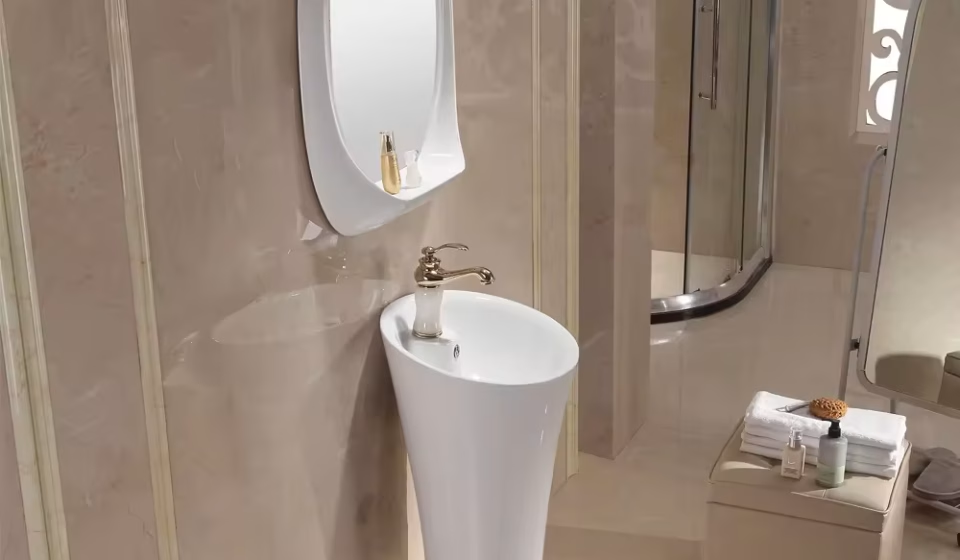

How to Choose the Perfect Small Bathroom Basin for Your Home
Choosing the right basin can make a significant difference in the comfort, functionality, and appearance of your bathroom. In compact homes, apartments, and guest washrooms, limited floor space makes it especially important to select fixtures that fit the layout without sacrificing everyday convenience. A well-designed basin should provide enough room for comfortable handwashing while complementing the bathroom’s overall style.
Before making a purchase, homeowners should consider the available space, basin dimensions, material, installation method, and maintenance requirements. Exploring different Small Bathroom Basin options can help you identify a design that balances practicality with modern aesthetics. By evaluating these factors carefully, you can choose a basin that suits your home’s needs and makes efficient use of the available space.
1. Measure Your Bathroom Space Carefully
The first step in choosing the perfect small bathroom basin is measuring the installation area. Even a compact basin can make a narrow bathroom feel crowded if its dimensions are unsuitable for the layout.
Measure the available width and depth, and determine how far the basin can extend into the room. Consider the position of the toilet, shower enclosure, bathroom door, and any nearby cabinets. The basin should provide comfortable access without obstructing movement or interfering with other fixtures.
For particularly narrow bathrooms, a shallow wall-mounted basin may be more suitable than a deep countertop model. If the room has an unused corner, a corner basin may help preserve the central floor area.
Practical tip: Check the manufacturer’s product dimensions rather than relying on descriptions such as compact or space-saving. Small differences in projection can affect how comfortably you move around the bathroom.
2. Choose the Right Basin Installation Type
Small bathroom basins come in several installation styles, each offering different advantages. The right choice depends on the available space, storage requirements, plumbing arrangement, and preferred interior design.
Wall-Mounted Basins
Wall-mounted basins attach directly to the wall, leaving the floor beneath them open. This arrangement can make a compact bathroom look more spacious and simplify floor cleaning.
They are particularly suitable for small guest bathrooms, powder rooms, and narrow washrooms where a pedestal or cabinet would occupy valuable floor space.
Before installation, confirm that the wall and mounting system can safely support the basin. Some walls may require additional reinforcement.
Countertop Basins
Countertop basins sit on a vanity or counter and can create a distinctive focal point. They are available in round, oval, and rectangular designs that suit different interior styles.
Although they can provide a stylish appearance, the combined height of the basin and counter must allow comfortable handwashing. A suitable faucet is also essential to prevent excessive splashing.
Pedestal Basins
Pedestal basins combine the bowl with a supporting base that can conceal some plumbing components. They suit traditional and transitional interiors but generally occupy more floor space than wall-mounted alternatives.
Compact pedestal models may work well when the bathroom has enough clearance and the homeowner prefers a classic appearance.
Corner Basins
Corner basins fit into an unused corner and can be particularly useful in small or irregularly shaped bathrooms. Their compact footprint helps preserve the main circulation area.
When selecting one, check the distance between the basin, toilet, doorway, and nearby accessories to ensure the layout remains comfortable.
3. Select a Suitable Basin Shape
The shape of a basin influences both its appearance and its practical usability. Choosing the right profile can help you make better use of limited space while creating a coordinated interior.
Rectangular Basins
Rectangular basins provide a clean, structured appearance and work well in modern bathrooms. Their straight edges can complement geometric tiles, simple mirrors, and contemporary faucets.
Slim rectangular models are especially useful when the basin needs to fit along a narrow wall.
Oval Basins
Oval basins feature softer curves that create a balanced, understated look. They can suit contemporary, Scandinavian, and traditional interiors.
Depending on the design, an oval basin may also provide a generous internal bowl without requiring an excessively wide exterior.
Square Basins
Square basins offer a crisp, architectural appearance. They work well with minimalist fittings and interiors that emphasize straight lines.
Look for models with a practical bowl depth and corners that are easy to clean.
Asymmetrical Basins
Asymmetrical designs position the bowl or outline off-center, sometimes leaving additional surface space for soap or other essentials. They can be useful when plumbing connections or nearby fixtures limit the available installation area.
Before purchasing, check whether the design is intended for a left-hand or right-hand configuration.
4. Compare Basin Materials
The basin material affects its appearance, durability, cleaning requirements, and installation needs. Comparing material properties can help you choose a product that suits your household and budget.
| Material | Main advantages | Important considerations |
|---|---|---|
| Ceramic | Smooth surface, versatile appearance, and straightforward routine cleaning | Can chip or crack if subjected to strong impacts |
| Porcelain | Refined finish and generally easy maintenance | Check the product’s weight and mounting requirements |
| Solid surface | Flexible design options and contemporary finishes | Care and repair requirements vary by composition |
| Glass | Distinctive appearance and a light visual effect | Water spots and fingerprints may be more noticeable |
| Natural stone | Unique patterns and a premium appearance | May require specialized cleaning and sealing |
Ceramic and porcelain are common choices for everyday residential bathrooms because they are generally easy to maintain. Solid-surface materials may appeal to homeowners seeking a more customized appearance, while natural stone can provide a distinctive decorative feature.
Always review the manufacturer’s specifications, cleaning instructions, and warranty conditions before choosing a material.
5. Consider Bowl Depth and Everyday Comfort
A small basin should save space without making handwashing inconvenient. The internal dimensions of the bowl are therefore just as important as its external width and depth.
A basin that is too shallow may cause water to splash onto the countertop or floor. One with insufficient washing space may also feel uncomfortable during everyday use.
Consider who will use the bathroom and how frequently the basin will be needed. A compact guest basin may have different requirements from the main bathroom used by several family members.
The faucet also affects usability. Its height, reach, and water flow should match the bowl’s shape and depth.
Practical tip: Compare the internal bowl measurements and faucet specifications before purchasing. If possible, examine a product display to understand the actual washing space.
6. Match the Faucet to the Basin
A suitable faucet improves both the appearance and functionality of a small bathroom basin. Even a well-designed bowl can be inconvenient if the faucet directs water incorrectly or leaves insufficient space for handwashing.
Consider the following faucet options:
- Deck-mounted faucets: Installed on the basin or countertop, depending on the product design.
- Wall-mounted faucets: Free up space around the basin rim but require compatible plumbing connections inside the wall.
- Compact single-lever faucets: Offer straightforward operation and a streamlined appearance.
- Sensor-operated faucets: May provide touch-free operation where suitable, although they require compatible connections and maintenance.
The faucet’s reach should direct water toward the center of the bowl rather than the rim. Its height must also suit the basin’s depth to minimize splashing.
Before buying, confirm the number and position of faucet holes, the required water connections, and compatibility with the selected basin.
7. Decide Whether You Need Storage
Storage can be valuable in a small bathroom, but adding a bulky cabinet may undermine the space-saving benefits of a compact basin.
If you need room for toiletries, cleaning supplies, or spare towels, a small vanity basin may be a practical choice. A wall-mounted vanity can preserve some visible floor space while providing concealed storage.
If storage is not essential, a standalone wall-mounted basin may create a more open appearance. A slim shelf or recessed wall niche can provide additional space for everyday items without requiring a large cabinet.
Think about what you actually need to keep in the bathroom before deciding on the installation type.
Practical tip: Keep storage proportionate to the room. Oversized cabinets, deep shelves, and bulky accessories can make a compact bathroom harder to navigate.
8. Choose a Design That Complements Your Interior
A small bathroom basin should fit the room’s visual style as well as its physical dimensions. The right combination of shape, finish, and accessories can make a compact space feel more coordinated.
For a minimalist bathroom, a simple white basin with clean edges and chrome fittings can create a timeless appearance. An oval basin with soft lighting may suit a more relaxed interior, while a geometric rectangular design can complement modern tiles and angular fixtures.
Color also influences the overall effect. White and other light finishes are versatile, while darker or textured finishes can introduce contrast when used thoughtfully.
Consider the basin alongside the mirror, faucet, wall tiles, lighting, and surrounding cabinetry. Coordinating these elements helps create a consistent design without adding unnecessary decoration.
9. Evaluate Cleaning and Maintenance Requirements
A basin should remain easy to clean after installation. Its material, shape, and surrounding fittings can influence how much effort is needed to maintain it.
Smooth surfaces are generally easier to wipe than designs with numerous decorative grooves or difficult-to-reach recesses. A wall-mounted basin can also simplify floor cleaning because the space beneath it remains accessible.
Before purchasing, check whether the material requires specialized cleaning products or periodic treatments. Natural stone may need different care from ceramic, while certain solid-surface finishes have their own maintenance recommendations.
Routine maintenance should include cleaning the bowl and faucet, removing mineral deposits with compatible products, checking the drain, and inspecting accessible plumbing connections for leaks.
Avoid abrasive tools and harsh chemicals unless the manufacturer confirms they are suitable for the selected material.
10. Check Plumbing and Installation Requirements
Installation requirements can affect the total cost and complexity of a bathroom project. A basin may fit the available space but still require expensive changes if its drain or faucet connections do not align with the existing plumbing.
Review the product’s technical drawing before purchasing. Confirm the waste outlet position, water supply connections, mounting method, and any required cutouts.
Wall-mounted basins need adequate support, which may involve reinforcing the wall or installing a suitable support frame. Countertop models require a stable surface with an appropriate opening and enough room for plumbing connections.
If you are replacing an existing basin, check whether the new model can use the current connections. When substantial plumbing changes are needed, ask a qualified installer to assess the work before finalizing the purchase.
Planning these details early can reduce delays, unexpected costs, and installation problems.
11. Set a Realistic Budget
The purchase price is only one part of the total cost of installing a small bathroom basin. The final budget may also include the faucet, waste fitting, mounting hardware, vanity or countertop, plumbing work, and installation labor.
A more expensive model may offer a finish or design that better suits your needs, but price alone does not guarantee better performance. Compare specifications, material quality, warranty coverage, and maintenance requirements when evaluating different products.
It is also worth considering the long-term cost of cleaning, repairs, and replacement parts. A basin that is easy to maintain and supported by clear product documentation may provide better value over time.
For a renovation project, establish a budget for the complete installation rather than choosing the basin in isolation.
12. Consider Your Household’s Long-Term Needs
The perfect basin should meet your current requirements while remaining practical as your household changes.
For a family bathroom, durability and comfortable bowl dimensions may be more important than achieving the smallest possible footprint. For a guest toilet, a compact wall-mounted model may provide all the functionality needed.
If children or older adults will use the basin, consider the installation height, faucet operation, surrounding clearance, and ease of access. Households planning to remain in the same home for many years may also want to prioritize readily available replacement parts and straightforward maintenance.
Thinking about long-term use can help you avoid selecting a basin that looks attractive initially but becomes inconvenient over time.
Common Mistakes to Avoid When Buying a Small Bathroom Basin
A few simple oversights can lead to an unsuitable purchase or unnecessary installation costs. Avoid these common mistakes:
- Measuring only the basin width: Check the full depth and projection from the wall.
- Ignoring surrounding fixtures: Ensure the basin does not interfere with the door, toilet, or shower enclosure.
- Choosing appearance over usability: Confirm the bowl has enough depth for comfortable handwashing.
- Selecting an incompatible faucet: Match faucet reach, height, and mounting type to the basin.
- Overlooking storage needs: Decide whether a vanity or separate shelf would improve everyday organization.
- Ignoring material care: Check the manufacturer’s instructions before choosing cleaning products.
- Forgetting installation expenses: Include plumbing, mounting hardware, and labor in the budget.
- Skipping product specifications: Review dimensions, warranty details, and installation drawings before ordering.
Careful planning helps ensure that the basin suits both the bathroom layout and the people who will use it.
Conclusion
Choosing the perfect small bathroom basin involves balancing size, comfort, appearance, durability, and maintenance. By measuring the available space, comparing installation types, selecting a suitable material, and matching the faucet to the bowl, you can find a basin that fits your home without compromising everyday functionality.
Wall-mounted and corner models can be especially useful in compact bathrooms, while countertop and vanity basins may be better choices when appearance or storage is a priority. The best option depends on your room dimensions, plumbing arrangement, household needs, and preferred design.
Before making a final decision, review the product specifications, installation requirements, cleaning guidance, and total project cost. A carefully selected basin can improve the usability of your bathroom, support easier maintenance, and create a more organized and visually appealing space for years to come.