
How to Choose a Wudu Basin for Muslim Prayer Rooms and Bathrooms
Choosing the right wudu basin is an important part of designing a comfortable and functional ablution area. In Muslim homes, prayer rooms, mosques, and community facilities, the basin should support the washing requirements of wudu while maintaining cleanliness and making efficient use of available space. Its design, height, drainage, and accessibility can all influence the user experience.
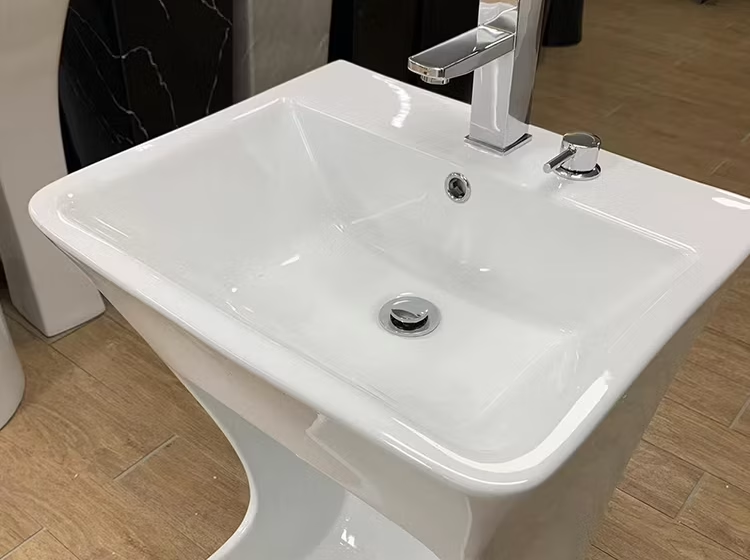
Before purchasing, consider who will use the facility, how frequently it will be used, and where it will be installed. A suitable Wudu Basin for Muslim prayer rooms and bathrooms should balance practical washing requirements with durability and visual appeal. Careful planning can also help prevent plumbing problems, reduce maintenance needs, and create a more organized environment.
1. Identify the Purpose of the Ablution Area
The first step is to determine where the basin will be installed and how it will be used. A basin in a private home may serve a small family, while a mosque or community prayer room may need to accommodate many people throughout the day.
For residential bathrooms, a compact design that fits the existing layout may be sufficient. Prayer rooms and larger facilities may require several basins, durable fittings, and enough space for users to move comfortably between washing stations.
Consider whether the basin will primarily support hand and face washing or whether its configuration must also accommodate foot washing. Choosing a design based on actual usage helps avoid unnecessary expense and ensures that the fixture meets the facility’s needs.
2. Choose the Right Basin Size
Size is one of the most important factors when selecting a wudu basin. A basin that is too small may restrict movement during washing, while an oversized model can take up valuable floor space.
Measure the available width, depth, and height before comparing products. Also consider the space required for approaching the basin, operating the faucet, and moving away safely.
For compact bathrooms, narrow or wall-mounted designs can help preserve floor space. Larger prayer facilities may benefit from wider basins or multiple washing stations arranged in a practical layout.
Always check the internal bowl dimensions as well as the overall product measurements. The external size alone does not indicate how much usable washing space the basin provides.
3. Consider the Installation Height
The basin should be positioned at a height that supports comfortable washing. An unsuitable height can force users to bend excessively or make it difficult to reach the washing area.
The best installation height depends on the basin’s shape, its intended use, and the people who will use it. A residential installation may need to accommodate adults and children, while a public facility should consider a wider range of user needs.
Before installation, review the manufacturer’s recommendations and assess the intended washing posture. Where accessibility is important, provide appropriate approach space and consider the requirements of older adults and people with limited mobility.
4. Select a Suitable Material
The basin’s material affects its durability, appearance, and cleaning requirements. Different materials offer different advantages, so the right choice depends on the environment and expected frequency of use.
- Ceramic: A common option with a smooth surface that is generally easy to clean and suitable for many bathroom styles.
- Porcelain: Offers a refined finish and can be practical for regular use when properly maintained.
- Solid surface: Often provides a contemporary appearance and may allow certain surface imperfections to be repaired, depending on the product.
- Natural stone: Adds distinctive patterns and texture but may require sealing and specialized cleaning.
For busy prayer rooms, prioritize materials that can withstand frequent use and routine cleaning. In residential bathrooms, appearance and compatibility with existing fixtures may also be important.
Always follow the manufacturer’s care instructions to protect the basin’s finish.
5. Evaluate Water Supply and Drainage
A reliable water supply and effective drainage are essential for any ablution area. Before buying a basin, confirm that its faucet configuration and waste outlet are compatible with the existing plumbing.
Look for a bowl shape that directs water toward the drain and helps reduce splashing. The faucet should deliver water into the basin rather than toward the rim or surrounding surfaces.
In facilities with several washing stations, drainage should be planned for the expected volume of use. Poorly aligned waste pipes or inadequate drainage can lead to standing water, unpleasant odors, and additional maintenance.
Consult a qualified plumber if the installation requires changes to the water supply, waste connections, or existing bathroom layout.
6. Choose a Practical Mounting Style
Wudu basins are available in different mounting configurations, and each has its own space and installation considerations.
Wall-Mounted Basins
Wall-mounted models can make a bathroom feel more spacious because they leave the floor beneath the basin open. They can also simplify floor cleaning.
However, the wall must provide adequate support, and the mounting hardware should match the manufacturer’s specifications. Plumbing connections must also be positioned correctly.
Floor-Supported Basins
Pedestal or floor-supported designs can provide a traditional appearance and may offer additional support. They generally require more floor space and can make cleaning around the base more involved.
Countertop and Integrated Basins
These designs can suit modern bathrooms and coordinated interior schemes. Check the complete dimensions of the unit, the strength of the supporting surface, and the requirements for sealing and plumbing.
Choose a mounting style that fits the space, maintenance routine, and intended use of the facility.
7. Prioritize Accessibility and User Comfort
A well-designed ablution area should be usable by as many people as reasonably possible. Consider the distance between basins, the space available for approaching each fixture, and the ease of operating the faucet.
In prayer rooms and mosques, sufficient space between washing stations can reduce crowding during busy prayer times. Clear walkways also help users move safely through the area.
For users with limited mobility, consider suitable basin heights, easy-to-operate faucets, and an unobstructed approach. The floor should provide appropriate slip resistance when wet, and exposed fittings should not create unnecessary hazards.
Accessibility should be included in the initial layout rather than addressed only after installation.
8. Plan for High-Use Prayer Facilities
Prayer rooms and mosques may experience concentrated periods of use before daily prayers, so basin selection should account for demand.
Depending on the facility’s size, multiple washing stations may help reduce waiting times. Arrange the basins so that users can approach and leave without blocking entrances or nearby walkways.
Choose durable faucets, reliable drain fittings, and materials suited to frequent cleaning. Replacement parts should be reasonably easy to obtain, especially when the facility relies on several identical fixtures.
A practical maintenance plan should include regular cleaning, inspection of plumbing connections, and prompt attention to leaks or slow drainage.
9. Match the Basin to the Bathroom or Prayer Room Design
Functionality is essential, but the basin should also complement its surroundings. A coordinated design can help the ablution area feel like a natural part of the building.
Minimalist basins with clean lines often work well in contemporary interiors. Traditional shapes and neutral finishes may suit more classic spaces, while integrated designs can create a consistent appearance in modern bathrooms.
Consider the color and texture of nearby tiles, wall finishes, faucets, and storage accessories. Simple, easy-to-clean surfaces are often practical for shared facilities because they help maintain a tidy appearance without requiring complicated upkeep.
Avoid selecting a basin based on appearance alone; the design must also support comfortable washing and effective water management.
10. Compare Maintenance Requirements
Maintenance should be considered before making a purchase, particularly for facilities that receive frequent use.
Smooth, nonporous surfaces are generally easier to clean, while some materials may require specialized products or periodic sealing. Check the manufacturer’s recommendations for removing mineral deposits, soap residue, and other buildup.
It is also important to consider access to the drain, trap, shut-off valves, and other plumbing components. Installations that conceal every connection without providing access can make repairs more difficult.
Regularly inspect the faucet, drain, mounting hardware, and surrounding sealant. Address small leaks promptly to help prevent damage to walls, floors, and cabinets.
11. Set a Realistic Budget
The cost of a wudu basin depends on its size, material, design, fittings, and installation requirements. A basic model may have a lower purchase price, while a specialized or integrated design may require additional plumbing work.
To compare options fairly, consider the total cost rather than the basin price alone. Include installation, plumbing adjustments, supporting structures, accessories, and expected maintenance.
For mosques and shared prayer facilities, durability and replacement-part availability may be especially important when calculating long-term value. For residential projects, the balance between available space, everyday comfort, and overall bathroom design may be the main consideration.
Review warranty terms and confirm what is covered before completing the purchase.
12. Use a Checklist Before Buying
Before choosing a wudu basin, review these essential points:
- Confirm that the design supports the intended ablution activities.
- Measure the installation area and required movement clearance.
- Check the basin’s internal dimensions and installation height.
- Select a durable material with suitable cleaning requirements.
- Confirm faucet compatibility and appropriate water flow.
- Verify the drain outlet and plumbing connections.
- Choose a mounting style that provides adequate support.
- Consider accessibility and user safety.
- Plan for frequent use if the basin will be installed in a mosque.
- Compare installation costs, warranty coverage, and replacement-part availability.
This checklist can help homeowners, contractors, and facility managers compare different models more confidently.
Conclusion
Choosing a wudu basin for a Muslim prayer room or bathroom requires careful attention to comfort, dimensions, material quality, drainage, accessibility, and maintenance. A suitable basin should support the intended washing activities while fitting the available space and the needs of its users.
Residential bathrooms may benefit from compact, easy-to-clean designs, while mosques and shared prayer facilities often need durable fixtures and layouts that accommodate frequent use. By evaluating these requirements before purchasing, you can create a practical, hygienic, and visually coordinated ablution area that serves its users effectively over time.