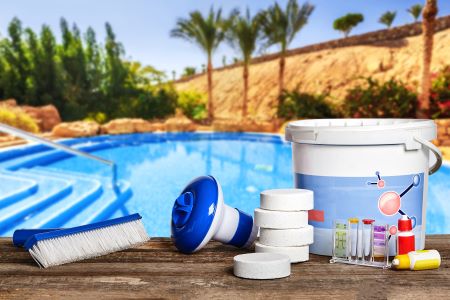

Swimming pool equipment plays an essential role in keeping pool water clean, safe, and comfortable. Pumps, filters, heaters, cleaning systems, and other components work together to maintain water circulation and quality. With regular care, pool owners can reduce unnecessary wear, prevent avoidable breakdowns, and get more value from their equipment over time.
Choosing quality swimming pool equipment and supplies is an important first step, but proper maintenance is just as essential. Even well-built products can deteriorate prematurely when exposed to poor water chemistry, clogged filters, inadequate circulation, or neglected repairs. A consistent maintenance routine helps protect these investments and keeps the entire pool system operating efficiently.
1. Maintain Balanced Pool Water Chemistry
Water chemistry has a direct impact on the condition of swimming pool equipment. Improper chemical levels can contribute to corrosion, scale buildup, damaged seals, and premature wear on components.
Monitor pH and Sanitizer Levels
Check the pool water regularly using reliable testing supplies. For many residential pools, a pH range of 7.2 to 7.8 is commonly recommended, although owners should follow guidance specific to their sanitation system and local requirements.
Sanitizer levels should also remain within the recommended range for the product being used. Water that is inadequately sanitized can develop algae and other problems, while excessive chemical concentrations may damage certain surfaces and equipment components.
Prevent Scale and Corrosion
High calcium hardness, elevated pH, and excessive alkalinity can encourage mineral deposits to form inside heaters, pipes, and other water-contact components. On the other hand, water chemistry that is too aggressive can contribute to corrosion.
Test the water consistently and make adjustments according to manufacturer recommendations. Avoid adding chemicals in a way that exposes equipment to concentrated products, and never mix pool chemicals together.
2. Clean Pool Filters on a Regular Schedule
Filters remove dirt, fine particles, and other contaminants from circulating pool water. When a filter becomes clogged, water flow can decrease and the pump may need to work harder to maintain circulation.
Understand Your Filter Type
Different filtration systems require different maintenance procedures:
- Sand filters: Follow the manufacturer’s guidance for backwashing and inspect the internal components when necessary.
- Cartridge filters: Remove and rinse cartridges as directed, checking for tears, deformation, or persistent buildup.
- Diatomaceous earth filters: Maintain the filter according to its specific cleaning and media-replacement instructions.
Cleaning too infrequently can restrict water flow, but cleaning unnecessarily often can also waste water or shorten the useful life of filter media.
Watch for Changes in Pressure
A pressure gauge can help indicate when a filter needs attention. Compare its reading with the clean-filter baseline rather than relying on a universal pressure threshold.
A persistent increase may indicate restricted filtration, while an unusual drop in pressure can suggest other problems, such as a blocked intake, low water level, or pump-related issue. Investigate changes instead of assuming every pressure variation is caused by a dirty filter.
3. Protect the Pool Pump From Unnecessary Strain
The pool pump is responsible for moving water through the filtration and circulation system. Because it often operates for several hours each day, keeping it clean and properly maintained can make a meaningful difference to its service life.
Keep Pump Baskets Clear
Leaves, insects, and other debris can collect in the skimmer and pump baskets. When these baskets become obstructed, water flow may be reduced and the system may operate inefficiently.
Switch off the pump before opening the basket housing. Relieve any trapped pressure according to the manufacturer’s instructions, remove debris, inspect the basket for cracks, and reinstall it correctly before restarting the system.
Prevent Dry Running
Pool pumps need an adequate water supply to operate correctly. Running a pump without sufficient water can damage seals and other internal components.
Maintain the pool’s water level within the recommended range and check that the skimmer intake remains unobstructed. If the pump repeatedly loses prime, draws air, or produces unusual noises, investigate the cause instead of continually restarting it.
Use Suitable Operating Schedules
Running a pump longer than necessary can increase energy consumption and operating hours. However, reducing runtime too much may compromise circulation and sanitation.
Set a schedule that accounts for pool size, pump capacity, filter performance, swimmer activity, weather, and sanitation requirements. Variable-speed pumps may allow lower-speed operation for routine circulation, provided the system continues to meet its operating needs.
4. Inspect Seals, O-Rings, and Connections
Small rubber seals and O-rings help prevent leaks around pump lids, filter housings, valves, and other fittings. Over time, these components can become brittle, flattened, or damaged by heat, chemicals, and normal wear.
During routine inspections, look for drips, damp connections, visible cracks, and air bubbles in areas where they should not appear. Address minor leaks promptly because even a small leak can waste water and potentially affect pump performance.
When servicing seals, use only compatible replacement parts and lubricants approved by the equipment manufacturer. Petroleum-based products or unsuitable lubricants can damage certain sealing materials.
If a connection continues to leak after correct reassembly, a professional inspection may be necessary to identify a damaged fitting, housing, or mating surface.
5. Keep Pool Heaters Clean and Properly Maintained
Pool heaters can be expensive to repair or replace, making preventive maintenance particularly valuable. Their service life depends on water chemistry, installation quality, operating conditions, and regular servicing.
Maintain Proper Water Flow
Insufficient flow can cause some heating systems to operate outside their intended conditions. Keep filters clean, pump baskets clear, and valves in their correct positions.
Follow the heater manufacturer’s guidance for minimum flow rates and operating procedures. Never bypass safety switches or attempt to override a system shutdown.
Schedule Professional Inspections
Gas heaters may require inspection of combustion components, ventilation, gas connections, and safety controls. Electric heat pumps may need attention to coils, fans, drainage, and electrical components.
Keep the area around the heater free from leaves and other obstructions. For cleaning and servicing, follow the manufacturer’s instructions and use a qualified technician for gas, electrical, or internal mechanical work.
Promptly investigate repeated error codes, unusual smells, unexpected shutdowns, or changes in heating performance.
6. Prevent Debris From Entering the Pool System
Leaves, twigs, insects, and other debris can clog baskets, increase filter workload, and interfere with water circulation. Reducing the amount of debris entering the pool helps protect multiple pieces of equipment at once.
Use a suitable pool cover when the pool is not in use, particularly during periods when leaves or other debris are common. Skim the water surface regularly and trim vegetation where practical.
After storms, inspect the pool and remove large debris before operating the cleaning system. Avoid allowing heavy debris to accumulate around skimmers, drains, and equipment enclosures.
A cover can also reduce evaporation and heat loss when the appropriate type is used. However, ordinary pool covers should not be treated as safety barriers unless specifically designed for that purpose.
7. Maintain Automatic Pool Cleaners
Automatic pool cleaners reduce manual effort, but they also contain moving parts that require routine care. Their lifespan can be shortened by tangled cables, blocked intakes, worn tracks, damaged hoses, or improper storage.
After cleaning cycles, remove collected debris and inspect the cleaner for visible damage. Rinse removable components when directed by the manufacturer, and check hoses or cables for twisting, cracks, and wear.
For robotic cleaners, keep the power supply and electrical connections protected from water as specified in the product instructions. Do not leave the cleaner submerged longer than the manufacturer permits.
Replace worn brushes, filters, wheels, or tracks with compatible components. Addressing small problems early can help prevent additional strain on the cleaner’s motor and drive system.
8. Protect Equipment From Weather and Environmental Damage
Outdoor equipment is regularly exposed to sunlight, moisture, temperature changes, and airborne debris. These conditions can affect plastic housings, wiring insulation, seals, and metal components.
Provide Appropriate Ventilation and Drainage
Keep equipment areas clean, dry where required, and free from standing water. Ensure that pump and heater enclosures have the ventilation and clearance specified by their manufacturers.
Do not cover operating equipment in a way that traps heat or blocks airflow. Protective enclosures should be designed for the specific equipment and local weather conditions.
Prepare for Seasonal Changes
Pools in colder climates may require winterization to protect pipes, filters, pumps, and heaters from freezing temperatures. Follow the manufacturer’s shutdown, draining, and storage procedures, and consider professional assistance if the system is complex.
In warmer climates, prolonged sun exposure and high temperatures can still affect equipment materials. Inspect exposed components periodically and replace damaged covers or deteriorating parts as needed.
Seasonal preparation should be tailored to the local climate rather than applying the same procedure to every pool.
9. Follow Manufacturer Instructions and Use Compatible Parts
Every pool system has specific operating requirements. Using unsuitable replacement parts, incorrect lubricants, incompatible chemicals, or unapproved modifications can compromise performance and shorten equipment life.
Keep manuals, warranty details, model numbers, and service records in one accessible place. Before purchasing replacement components, confirm that they match the exact equipment model and intended application.
Manufacturer guidance should take priority over generic maintenance advice, particularly for pressure limits, electrical requirements, cleaning products, and service intervals.
If the equipment is still under warranty, check whether certain maintenance or repair tasks must be performed by an authorized technician. Keep receipts and document professional servicing where appropriate.
10. Recognize Early Warning Signs of Equipment Failure
Many equipment problems begin with small changes in sound, pressure, water flow, or performance. Recognizing these warning signs early can help prevent a minor issue from becoming a more expensive repair.
Pay attention to the following indicators:
- Unusual grinding, rattling, or humming from a pump.
- Water leaking around equipment housings or plumbing connections.
- Air bubbles appearing repeatedly in the return lines.
- Persistent changes in filter pressure or circulation strength.
- Longer heating times or repeated heater shutdowns.
- Cracked baskets, damaged cables, or deteriorating seals.
- Unexplained increases in electricity or water consumption.
Turn off affected equipment when continued operation could cause damage or create a safety risk. Electrical faults, gas-related concerns, severe leaks, and recurring mechanical problems should be assessed by qualified professionals.
Do not open pressurized filter housings or work on electrical equipment without following the required isolation and safety procedures.
11. Create a Simple Preventive Maintenance Schedule
A maintenance schedule makes it easier to identify problems before they affect the wider pool system. The exact frequency will vary with usage, climate, equipment type, and manufacturer recommendations.
| Frequency | Recommended tasks |
|---|---|
| Daily or as needed | Check water level, remove visible debris, and observe circulation |
| Several times per week | Test water chemistry and inspect skimmer baskets |
| Weekly | Check pump baskets, look for leaks, and review equipment operation |
| Monthly or as recommended | Inspect accessible fittings, cleaner components, and equipment surroundings |
| Seasonally | Review heater condition, inspect exposed components, and prepare the pool for weather changes |
| Annually or as specified | Arrange appropriate professional inspections and review equipment performance |
This schedule is a general starting point. Some tasks may need to be performed more frequently, while others should follow the specific instructions supplied with the equipment.
Record maintenance dates, test results, replaced parts, and unusual observations. A written history can reveal recurring issues and help technicians diagnose problems more efficiently.
12. Invest in Quality Equipment Without Overlooking Maintenance
Equipment quality can influence durability, repair needs, and long-term operating costs. However, a premium product is not automatically the right choice for every pool.
Compare equipment based on compatibility, expected workload, energy efficiency, warranty coverage, availability of replacement parts, and the manufacturer’s service guidance. Select products that meet the pool’s actual requirements instead of paying for features that will rarely be used.
Proper installation is equally important. Incorrect plumbing, inadequate electrical protection, poor equipment placement, or unsuitable sizing can reduce performance regardless of the product’s quality.
A balanced approach combines appropriate equipment selection with regular cleaning, water testing, preventive inspections, and timely repairs. These habits can help protect the pool system while avoiding unnecessary replacement expenses.
Conclusion
Extending the lifespan of swimming pool equipment begins with consistent maintenance and attention to the conditions in which each component operates. Balanced water chemistry, clean filters, unobstructed pump baskets, well-maintained seals, and appropriate seasonal preparation all contribute to reliable performance.
Pool owners should also follow manufacturer instructions, use compatible replacement parts, and address warning signs before they lead to more extensive damage. Professional inspections are particularly important for gas heaters, electrical systems, and complex mechanical repairs.
With a practical maintenance schedule and the right care routine, pool owners can reduce avoidable wear, improve operating efficiency, and get greater long-term value from their swimming pool equipment.