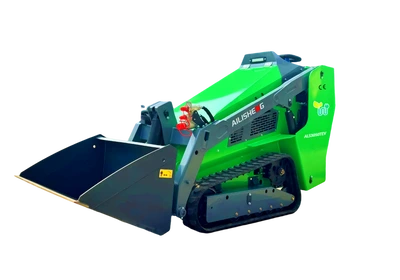

Questions to Ask an Electric Skid Steer Loaders Manufacturer Before Placing an Order
Choosing the right electric skid steer loader requires more than comparing prices and specifications. Buyers should evaluate equipment performance, battery reliability, manufacturing quality, delivery arrangements, and long-term service support before committing to a purchase. Asking the right questions early helps reduce procurement risks and ensures the machine meets the practical needs of the intended application.
Before making a decision, research each Electric Skid Steer Loaders Manufacturer to understand its product range, manufacturing capabilities, and customer support policies. A reliable manufacturer should provide clear answers, relevant technical documentation, and transparent commercial terms. The following questions can help buyers make a more informed purchasing decision.
1. What Are the Machine’s Main Technical Specifications?
Start by asking for a complete specification sheet. Technical details determine whether the loader can handle your daily workload safely and efficiently.
Important specifications to review include:
- Rated operating capacity and tipping load
- Operating weight and overall dimensions
- Maximum travel speed
- Lifting height and dumping reach
- Hydraulic flow rate and pressure
- Gradeability and ground clearance
- Compatible attachments and connection systems
Compare these figures with your actual working conditions. For example, a machine intended for indoor material handling may have different requirements from one used on construction sites or uneven outdoor terrain.
Ask the manufacturer to clarify how performance figures are measured and whether they vary according to the selected configuration.
2. What Battery Technology Does the Loader Use?
The battery system is one of the most important components of an electric skid steer loader. Its capacity, charging characteristics, durability, and operating range directly affect productivity.
Ask the manufacturer the following questions:
- What battery chemistry and rated capacity does the machine use?
- What is the expected operating time under typical working conditions?
- How long does a full charge take?
- Is fast charging supported?
- What charging equipment is included?
- How does the battery perform in hot, cold, dusty, or humid environments?
- What warranty applies to the battery, and what conditions could affect coverage?
Be cautious about relying exclusively on advertised operating hours. Actual runtime depends on workload, hydraulic use, ambient temperature, operator behavior, and charging practices.
Request realistic operating estimates based on applications similar to yours. You should also confirm whether replacement batteries and related components will remain available throughout the expected service life of the machine.
3. Which Quality Standards and Safety Requirements Does the Machine Meet?
Safety and manufacturing quality should be verified before an order is placed. Ask the manufacturer which applicable standards, regulations, and testing procedures the loader complies with in your target market.
Depending on the destination and machine configuration, relevant requirements may cover electrical safety, electromagnetic compatibility, machinery safety, battery transport, and workplace operation.
Request copies of applicable conformity declarations, test reports, and certifications rather than relying solely on verbal assurances. Verify that the documents correspond to the exact model being purchased.
You should also ask about protective features such as operator restraint systems, visibility, emergency stopping procedures, warning indicators, and battery protection mechanisms. The specific features available will depend on the machine’s design and configuration.
4. Can the Manufacturer Customize the Machine for Your Application?
Different projects have different operational requirements. A loader used in a warehouse may need compact dimensions and suitable tires, while a construction contractor may prioritize lifting capacity, hydraulic performance, and attachment versatility.
Ask whether the manufacturer offers options such as:
- Different tire or track configurations
- Specialized buckets and other attachments
- Alternative battery capacities
- Hydraulic attachment compatibility
- Operator comfort and visibility features
- Lighting, warning systems, and other optional equipment
Before approving customization, request a written description of the proposed configuration. Confirm its effect on the price, delivery schedule, machine performance, and warranty coverage.
It is also important to verify that any requested attachment is compatible with the loader’s rated capacity and hydraulic system.
5. What Is the Total Purchase Cost?
The initial quotation does not always represent the complete cost of acquiring and operating the machine. Additional expenses may include transportation, insurance, import duties, taxes, charging equipment, spare parts, and commissioning.
Ask the manufacturer to provide an itemized quotation that clearly identifies what is included and excluded.
Your questions should cover:
- What is the unit price for the selected configuration?
- Are batteries and chargers included?
- What are the payment terms?
- Which shipping or delivery arrangements are available?
- Who is responsible for export documentation and other required paperwork?
- Are installation, operator training, or commissioning services included?
- How long is the quotation valid?
For international purchases, clarify the agreed delivery terms and responsibilities for shipping, insurance, customs clearance, and import-related costs.
Comparing complete quotations makes it easier to evaluate suppliers fairly and avoid unexpected expenses after the order is confirmed.
6. What Is the Production and Delivery Lead Time?
Delivery schedules can influence project planning, equipment availability, and business commitments. Ask whether the requested model is available from existing inventory or must be manufactured after the order is placed.
Confirm the expected production period, inspection schedule, shipping time, and estimated arrival date. If customization is required, ask how it affects the lead time.
You should also establish what happens if production or delivery is delayed. A written agreement should define important milestones, responsibilities, and any applicable remedies.
If you are ordering several machines, clarify whether the manufacturer can deliver the complete order together or provide staged shipments according to your operational schedule.
7. What Warranty Coverage Is Provided?
Warranty terms can significantly influence the long-term cost of ownership. Do not assume that every component is covered for the same period or under identical conditions.
Ask the manufacturer to explain:
- The warranty period for the complete machine
- Separate coverage for the battery, electric motors, controller, and charger
- Which parts and labor expenses are covered
- Whether travel or transportation costs are included
- Which operating conditions may void the warranty
- How warranty claims are submitted and resolved
Request the full written warranty document before making payment. Pay particular attention to exclusions, maintenance obligations, and the procedure for obtaining replacement components.
A clear warranty policy helps both parties understand their responsibilities if a defect or component failure occurs.
8. How Does the Manufacturer Handle After-Sales Service?
Even a well-built machine requires maintenance and occasional repairs. Reliable after-sales support can reduce downtime and help protect your investment.
Ask whether the manufacturer provides remote technical assistance, troubleshooting documentation, maintenance instructions, and access to trained service personnel.
If the manufacturer does not have a local service center in your region, find out how technical issues will be handled. Confirm whether remote diagnostics, replacement parts, or support through authorized service partners are available.
You should also ask about typical response procedures and whether service support is available in a language your operators and maintenance team understand.
Avoid relying on general promises of excellent service. Request specific information about support channels, escalation procedures, and the process for resolving technical problems.
9. Are Spare Parts Readily Available?
Parts availability is essential for keeping equipment operational. A small component failure can cause significant downtime if the replacement part is difficult to obtain.
Ask which spare parts are commonly stocked and how replacement components can be ordered. Important items may include filters, electrical connectors, hydraulic components, tires, sensors, controllers, and battery-related parts.
Additional questions should include:
- Is there a recommended spare-parts package for new machines?
- What is the expected dispatch time for common replacement parts?
- Are parts available through local distributors?
- Can the manufacturer provide an illustrated parts catalog?
- How long will parts remain available for the model?
- Are compatible replacement components clearly identified?
For buyers operating multiple machines, consider purchasing a starter inventory of frequently needed parts. This can reduce the effect of routine maintenance and minor equipment failures on daily operations.
10. Can the Manufacturer Provide References or Evidence of Previous Deliveries?
A manufacturer’s experience can help buyers assess its ability to supply suitable equipment and support customers after delivery.
Ask whether the company has supplied comparable machines to businesses operating in similar environments. Relevant examples may include construction projects, warehouses, agricultural operations, landscaping businesses, or indoor material-handling facilities.
Where possible, request customer references, project summaries, product demonstrations, or documented performance information.
You can also ask for photos or videos of the actual model, including its controls, battery compartment, attachment interface, and other important components. If feasible, arrange a live demonstration or inspection before shipment.
When reviewing references, focus on factors such as reliability, ease of maintenance, parts availability, and the manufacturer’s response to service requests.
11. What Inspections Are Completed Before Shipment?
Pre-shipment inspection helps confirm that the machine matches the agreed specifications and is ready for delivery.
Ask the manufacturer which checks are performed before the loader leaves the factory. These may include functional testing, hydraulic system checks, electrical system verification, battery charging tests, safety feature inspections, and checks for visible damage.
Request an inspection report or checklist when available. For larger orders, you may also consider arranging an independent inspection before shipment.
Make sure the purchase agreement specifies the machine model, configuration, included attachments, accessories, and documentation. Clear specifications reduce the risk of receiving equipment that differs from what you ordered.
12. What Training and Documentation Are Included?
Operator training and accurate documentation can improve productivity, support safe operation, and simplify routine maintenance.
Ask whether the manufacturer provides an operator’s manual, maintenance schedule, parts catalog, battery charging instructions, troubleshooting guide, and applicable safety documentation.
You should also determine whether training is available for operators and maintenance personnel. Important topics include daily inspections, charging procedures, safe lifting practices, attachment changes, warning indicators, and emergency procedures.
If your workforce has limited experience with electric construction equipment, confirm that the training materials explain the differences between electric and diesel-powered machines.
13. What Payment Protection and Contract Terms Are Available?
Commercial terms deserve the same attention as technical specifications. Before transferring funds, verify the seller’s legal business details, bank information, and authority to represent the manufacturer.
Ask about the deposit amount, balance payment schedule, accepted payment methods, and documents provided at each stage of the transaction.
The purchase contract should clearly state:
- The exact model and configuration
- Quantity and unit price
- Payment milestones
- Production and delivery expectations
- Inspection and acceptance procedures
- Warranty obligations
- Documentation requirements
- Procedures for handling disputes or nonconforming goods
For international orders, consider using appropriate independent verification and secure commercial payment practices. Do not rely exclusively on informal messages or an unverified quotation when making a substantial equipment investment.
14. How Efficient Is the Machine in Real Working Conditions?
Electric loaders can offer reduced local emissions, lower noise, and fewer routine maintenance requirements associated with diesel engines. However, the financial and operational benefits depend on how the equipment is used.
Ask the manufacturer for information about energy consumption, charging requirements, expected maintenance tasks, and performance under representative workloads.
Consider how the machine will fit into your work schedule. A single-shift operation with overnight charging may have different requirements from a multi-shift site that needs frequent charging or battery replacement arrangements.
Compare expected electricity costs, maintenance expenses, downtime, and battery-related costs with the total operating cost of alternative equipment. Use realistic assumptions rather than relying only on general claims about savings.
15. What Happens if the Machine Does Not Meet the Agreed Requirements?
Before placing the order, establish a clear procedure for dealing with incorrect specifications, shipping damage, missing accessories, or defects identified during inspection.
Ask the manufacturer how discrepancies should be documented and reported, what evidence is required, and how corrective action will be arranged.
Your agreement should explain the inspection and acceptance process, applicable deadlines, responsibilities for transport damage, and remedies available when the delivered equipment does not match the contract.
Resolving these details before shipment is usually easier than negotiating them after the machine arrives.
A Practical Checklist Before Placing Your Order
Use the following checklist to organize your evaluation before making a final purchasing decision.
-
Technical specifications match the intended application.
-
Battery capacity and expected runtime are suitable.
-
Applicable safety and compliance documentation has been reviewed.
-
Required attachments and customization options are confirmed.
-
The quotation includes all relevant costs.
-
Production and delivery timelines are documented.
-
Warranty terms and exclusions are understood.
-
After-sales service arrangements are clearly defined.
-
Spare-parts availability and ordering procedures are confirmed.
-
Pre-shipment inspection requirements are agreed upon.
-
Operator manuals and training arrangements are confirmed.
-
Payment terms and contract protections are acceptable.
-
Procedures for defects, damage, and nonconformity are documented.
Conclusion
Selecting an electric skid steer loader is a long-term equipment decision, so buyers should evaluate more than the purchase price. Technical performance, battery reliability, safety compliance, customization options, delivery schedules, warranty coverage, and spare-parts support all contribute to the machine’s overall value.
Asking these questions before placing an order helps you compare manufacturers using consistent criteria and identify potential risks early. Request written answers, verify important claims with supporting documents, and ensure that all agreed specifications and commercial terms appear in the purchase contract.
With a structured evaluation process, buyers can choose an electric skid steer loader that suits their operational requirements, supports reliable day-to-day performance, and provides better long-term value.