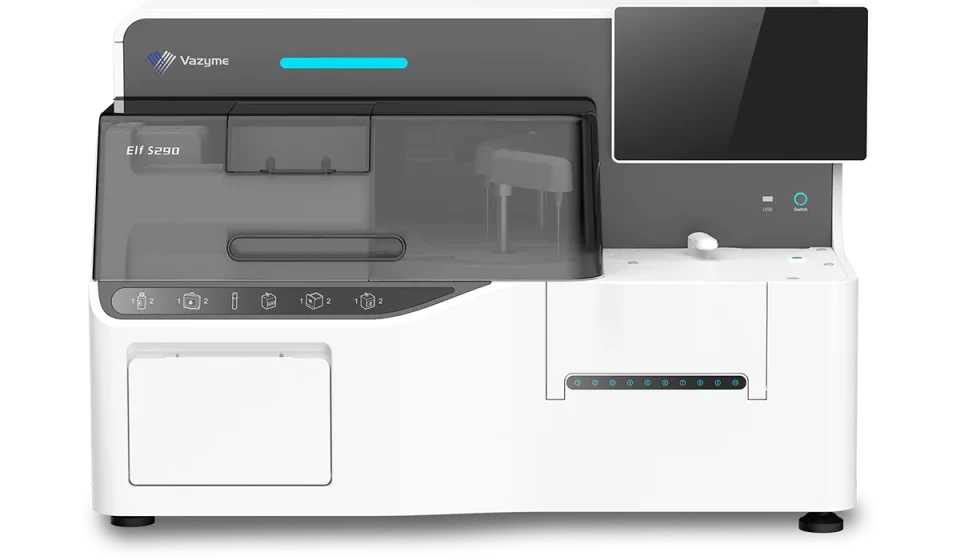

Selecting laboratory equipment is an important decision that can influence testing accuracy, operational efficiency, maintenance costs, and long-term laboratory performance. For clinical laboratories, hospitals, diagnostic centers, and research facilities, an immunoassay analyzer must meet specific analytical requirements while fitting the laboratory’s workload and available resources. However, choosing the right instrument is only part of the process. The supplier’s technical expertise, product quality, service capabilities, and ongoing support are equally important.
A reliable Immunoassay Analyzer Supplier can help laboratories identify suitable equipment, understand assay compatibility, implement appropriate quality-control procedures, and maintain consistent testing operations. Evaluating suppliers systematically can reduce purchasing risks, prevent avoidable downtime, and support better long-term value. By considering several essential factors before making a purchase, laboratory decision-makers can establish a dependable equipment partnership that meets both current and future testing needs.
Understanding Your Laboratory’s Immunoassay Requirements
Before comparing suppliers, laboratories should define their testing requirements. Different facilities have different sample volumes, analytical priorities, staffing levels, and budget constraints. A system suitable for a large hospital laboratory may not be the best choice for a small diagnostic center or a specialized research facility.
Define Your Testing Applications
Immunoassay analyzers support a broad range of applications, including hormone testing, infectious disease assessment, cardiac biomarker analysis, tumor-associated marker measurement, and neurological biomarker research.
Laboratories should identify which analytes they need to measure and whether the required assays are available for the proposed platform. They should also determine whether their primary goal is routine clinical testing, specialized diagnostics, research, or a combination of applications.
For emerging biomarkers, such as those investigated in Alzheimer’s disease research, assay availability and validation are particularly important. A supplier should be able to explain which tests the system supports and what evidence is available for their intended use.
Assess Sample Volume and Throughput
Daily sample volume influences the type of analyzer a laboratory needs. High-volume facilities may prioritize automated processing and continuous sample loading, while smaller laboratories may benefit from compact systems with lower operating requirements.
Consider both average and peak workloads. The stated maximum throughput may not reflect actual performance when calibration, quality-control testing, maintenance, repeat measurements, and different assay incubation times are taken into account.
A supplier should explain realistic operating capacity and help determine whether the proposed instrument can meet the laboratory’s turnaround-time requirements.
Establish Analytical Performance Requirements
Different assays have different performance requirements. Depending on the application, laboratories may need to prioritize analytical sensitivity, specificity, precision, measurement range, or resistance to interference.
Reviewing these requirements before purchasing helps narrow the selection to systems that can meet the laboratory’s scientific and operational needs.
Key Factors to Evaluate in an Immunoassay Analyzer Supplier
A supplier should offer more than equipment availability. Its technical knowledge, documentation, service infrastructure, and ability to support implementation can influence the instrument’s long-term performance.
Product Quality and Technical Documentation
A dependable supplier should provide clear documentation about the analyzer’s specifications, supported assays, operating conditions, maintenance requirements, and known limitations.
Useful documents may include:
- Technical specifications and instrument manuals.
- Analytical performance data for relevant assays.
- Installation and operating instructions.
- Calibration and quality-control requirements.
- Reagent storage and handling information.
- Applicable regulatory and conformity documentation.
Documentation should be consistent with the actual product and intended market. Laboratories should verify claims independently when necessary and avoid relying solely on promotional descriptions.
Assay Compatibility and Availability
An analyzer is only useful if it supports the tests the laboratory needs. Some systems offer broad assay menus, while others are designed for specialized applications.
Ask the supplier which assays are available, whether reagents are supplied consistently, and whether the platform supports future testing requirements. If a laboratory uses specialized biomarkers, it should confirm that the relevant assays have suitable analytical evidence and are appropriate for the intended application.
Compatibility should be confirmed before purchase rather than assumed from general statements about immunoassay technology.
Regulatory Compliance and Quality Standards
Regulatory requirements vary according to the product, market, and intended use. Laboratories should verify the documentation applicable to the specific analyzer, assay, and jurisdiction.
Depending on the market, relevant evidence may include product registration, conformity documentation, or authorization for a particular clinical use. Quality-management certifications may also provide useful information about a manufacturer’s processes, but a certification alone does not establish that every product is suitable for every application.
A responsible supplier should clearly distinguish between research-use products and tests authorized or validated for clinical decision-making.
Supplier Experience and Technical Expertise
A supplier with relevant laboratory experience may be better equipped to help customers assess workflow requirements, understand technical specifications, and plan implementation.
During discussions, ask whether the supplier can explain the analyzer’s operating principles, assay limitations, calibration requirements, and maintenance schedule. Its team should be able to answer technical questions clearly and provide access to appropriate product specialists when needed.
Experience in a particular testing environment can be valuable, but laboratories should still verify references, documentation, and product suitability.
Evaluating Installation, Training, and Technical Support
Installation and after-sales service are important because even a well-designed analyzer can underperform if it is incorrectly installed, poorly maintained, or operated without adequate training.
Professional Installation
The supplier should explain the installation process, site requirements, commissioning procedures, and acceptance checks. Laboratories may need to prepare suitable electrical connections, workspaces, environmental conditions, and information-system access before delivery.
A clear installation plan helps reduce delays and allows staff to prepare for the instrument’s arrival.
Operator Training
Laboratory personnel need to understand sample preparation, reagent handling, instrument operation, calibration, quality control, result review, and routine maintenance.
Ask whether training is included, how many staff members can participate, and whether refresher training or additional support is available. Training materials should be clear and relevant to the instrument and assay procedures.
Maintenance and Repair Services
Preventive maintenance helps reduce avoidable failures and supports consistent instrument performance. Suppliers should provide a maintenance schedule, explain which tasks are performed by laboratory staff, and identify which services require qualified technicians.
It is also important to understand service response times, spare-parts availability, warranty coverage, and the process for arranging repairs. For laboratories with urgent testing requirements, prolonged instrument downtime can disrupt operations and delay results.
Comparing Total Cost of Ownership
The purchase price is only one part of the financial commitment involved in acquiring an immunoassay analyzer. A system with a lower initial cost may have higher ongoing expenses, while a more expensive platform may offer operational advantages that justify its price.
| Cost category | What to evaluate |
|---|---|
| Initial purchase | Analyzer price, included accessories, delivery, and installation |
| Reagents and consumables | Cost per test, packaging, storage, and expected usage |
| Calibration and quality control | Frequency, materials required, and ongoing expense |
| Maintenance and repairs | Service agreements, spare parts, and warranty conditions |
| Staff training | Initial training, refresher sessions, and onboarding |
| Downtime | Potential costs associated with interruptions and repeat testing |
| Software and connectivity | Licensing, integration, and ongoing technical support |
Laboratories should compare costs over a realistic operating period rather than focusing exclusively on the purchase quotation. They should also ask suppliers to identify any recurring fees, consumable requirements, or service costs that may not be included in the initial price.
Questions to Ask Before Selecting a Supplier
A structured supplier evaluation can help reveal differences that are not obvious from product brochures.
Important questions include:
- Which assays are available for this analyzer, and what is their intended use?
- What analytical performance data can be provided for the tests we require?
- What is the expected throughput under our anticipated workload?
- How are calibration and quality-control procedures managed?
- What installation and training services are included?
- How quickly can technical support respond to instrument problems?
- Are reagents, consumables, and replacement parts consistently available?
- What warranty conditions and service agreements are offered?
- Which regulatory documents apply to the product in our market?
- What costs should we expect beyond the initial purchase?
A strong supplier should provide clear, documented answers and identify any limitations that could affect the laboratory’s operations.
Assessing Instrument Performance Before Purchase
Where practical, laboratories should evaluate the proposed system before committing to a purchase. A demonstration, formal evaluation, or suitable verification process can help determine whether the analyzer meets the laboratory’s actual needs.
Review Precision and Reproducibility
Precision describes how closely repeated measurements agree under specified conditions. Laboratories should review the relevant performance data and, where appropriate, conduct verification according to applicable procedures.
Reproducibility is particularly important when results will be compared across runs, operators, or testing locations.
Examine Measurement Range and Detection Limits
The analytical measurement range defines the concentrations over which the assay can report results with the specified performance. Detection limits describe the system’s ability to identify low levels of an analyte under defined conditions.
These characteristics should match the laboratory’s intended tests. Performance for one analyte should not be assumed to apply to every assay supported by the platform.
Check Workflow Compatibility
The instrument should fit the laboratory’s sample-processing procedures, staffing, available workspace, and data-management systems.
Consider sample loading, reagent replacement, waste handling, maintenance access, and the steps required to review and release results. A practical evaluation can identify workflow challenges that might otherwise become apparent only after installation.
Warning Signs to Watch for When Choosing a Supplier
Not every supplier provides the same level of transparency or support. Laboratories should investigate potential concerns before entering into a purchase agreement.
Unverified performance claims: Be cautious when a supplier makes broad claims about accuracy or sensitivity without providing relevant supporting data.
Incomplete documentation: Missing manuals, unclear assay specifications, or insufficient regulatory information may make it difficult to evaluate suitability.
Unclear service arrangements: Vague warranty terms, uncertain repair procedures, or limited information about spare parts can create long-term risks.
Pressure to purchase quickly: A supplier should allow adequate time for technical evaluation, contract review, and comparison with alternative systems.
Uncertain reagent availability: An analyzer may become difficult to operate consistently if essential reagents and consumables are not reliably available.
Poor communication: Delayed responses or unclear answers during the purchasing process may indicate potential difficulties with ongoing support.
These concerns do not automatically establish that a supplier is unsuitable, but they should prompt further investigation and documented clarification.
Building a Long-Term Supplier Relationship
A successful equipment purchase should support laboratory operations over the entire working life of the analyzer. Establishing a long-term relationship with a capable supplier can help laboratories manage maintenance, training, assay updates, and changes in testing demand.
Regular communication allows laboratories to raise performance concerns, request technical assistance, and plan service activities before problems become disruptive. Periodic reviews of reagent availability, instrument reliability, service response, and total operating costs can also help determine whether the partnership continues to meet expectations.
Contracts should clearly define responsibilities, service commitments, warranty coverage, consumable arrangements, and procedures for resolving disputes. Maintaining written records of support requests and instrument performance can make future supplier evaluations more objective.
Future Considerations for Immunoassay Analyzer Procurement
Laboratory testing continues to evolve as new biomarkers, analytical methods, and automation technologies become available. When selecting an analyzer, laboratories should consider whether the system can accommodate likely changes in testing requirements.
Potential considerations include expanded assay menus, improved automation, enhanced data connectivity, and more efficient reagent management. For research facilities, compatibility with emerging biomarker assays may be particularly relevant, provided that each application has appropriate analytical validation.
However, flexibility should not replace evidence of present-day performance. Laboratories should prioritize a system that meets their current validated testing needs while offering practical options for future development.
Conclusion
Choosing a reliable immunoassay analyzer supplier requires careful assessment of product quality, assay compatibility, analytical performance, regulatory documentation, technical support, and total cost of ownership. Laboratories should define their requirements before comparing suppliers and verify that the proposed system can meet their testing and workflow needs.
Installation, training, maintenance, reagent availability, and service responsiveness are just as important as the analyzer’s technical specifications. By asking targeted questions, reviewing supporting evidence, and evaluating performance where practical, laboratories can reduce procurement risks and make more informed decisions.
Ultimately, a dependable supplier should offer transparent documentation, realistic technical guidance, and sustained support throughout the instrument’s working life. This approach helps laboratories maintain reliable testing operations and adapt to changing clinical and research requirements.