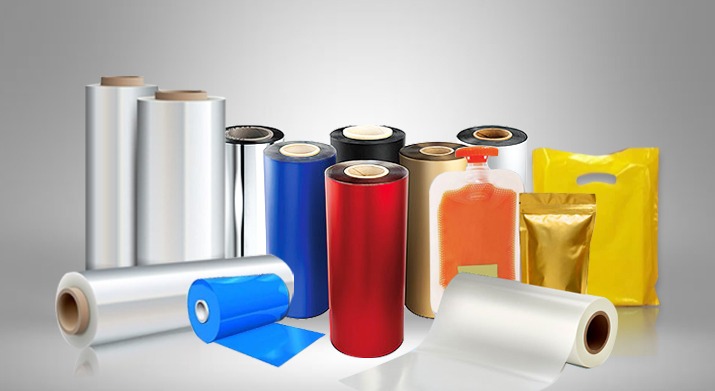
In the global packaging and manufacturing industries, material cost plays a major role in production planning and product design decisions. PETG film is widely used due to its clarity, toughness, and processing flexibility, but its pricing can vary significantly depending on several technical, economic, and supply chain factors.
Understanding what drives cost and availability helps manufacturers make informed purchasing decisions and optimize production budgets. In many applications, PETG film is selected not only for its performance advantages but also for its balanced cost-to-value ratio compared to other engineering plastics.
Raw Material Costs and Resin Pricing
The most significant factor influencing PETG film pricing is the cost of raw PETG resin. PETG is derived from PET (polyethylene terephthalate) with glycol modification, and its production depends on petrochemical feedstocks.
Fluctuations in crude oil prices, supply-demand balance, and global petrochemical production directly affect resin costs. When raw material prices rise, PETG film manufacturers often adjust pricing accordingly.
Key raw material influences include:
Crude oil price fluctuations
Availability of PET and glycol derivatives
Production capacity of resin manufacturers
Global demand for polyester-based materials
Manufacturing Process and Production Efficiency
The complexity and efficiency of the manufacturing process also play a major role in determining PETG film costs. Production involves extrusion, cooling, and surface treatment steps that require precise control.
Energy consumption during extrusion and temperature regulation can significantly impact overall production expenses. Manufacturers with advanced equipment and optimized processes often achieve lower per-unit costs.
Factors affecting production cost include:
Energy consumption during extrusion
Equipment efficiency and automation level
Production speed and yield rates
Waste reduction during manufacturing
Thickness, Grade, and Material Specifications
PETG film is available in different thicknesses, grades, and performance specifications. These variations directly influence pricing.
Thicker films require more raw material, which increases cost. Similarly, specialized grades with enhanced properties such as UV resistance, anti-scratch coatings, or medical compliance tend to be more expensive.
Cost-related specification factors include:
Film thickness and density
Optical clarity and surface finish requirements
Functional coatings or additives
Industrial, packaging, or medical-grade classifications
Supply Chain and Logistics Factors
Availability and pricing are also influenced by supply chain dynamics. Transportation costs, shipping delays, and regional distribution networks all affect final market prices.
Global trade conditions can lead to fluctuations in availability, especially when demand spikes or logistics disruptions occur. PETG film is often produced in centralized manufacturing hubs and shipped internationally, making logistics a critical cost component.
Key supply chain factors include:
International shipping and freight costs
Import/export tariffs and duties
Regional supply-demand balance
Inventory and storage expenses
Market Demand and Industry Trends
Demand from key industries such as packaging, electronics, and medical sectors significantly impacts PETG film pricing. When demand increases, prices tend to rise due to limited production capacity.
Seasonal demand cycles, product launches, and regulatory changes can also influence availability. For example, increased demand for transparent protective packaging can temporarily tighten supply.
Industries driving demand include:
Food and beverage packaging
Medical and pharmaceutical packaging
Electronics and consumer goods
Retail display and branding materials
Technological Advancements and Production Innovation
Advancements in manufacturing technology can help stabilize or reduce PETG film costs over time. Improved extrusion systems, better energy efficiency, and automation reduce production waste and increase output consistency.
However, initial investment in advanced machinery can also increase short-term production costs, which may be reflected in pricing until efficiency gains are fully realized.
Technological factors include:
Automation in film production lines
Improved extrusion and cooling systems
Waste reduction technologies
Quality control and real-time monitoring systems
Customization and Special Processing Requirements
Custom specifications significantly influence PETG film pricing. Films that require special treatments, coatings, or printing compatibility adjustments are generally more expensive than standard grades.
Customization may include:
Corona or plasma surface treatment
Anti-fog or anti-scratch coatings
Custom colors or optical effects
Precision slitting or die-cutting
The more specialized the requirement, the higher the production cost due to additional processing steps.
Environmental Regulations and Compliance Costs
Environmental regulations also impact PETG film pricing. Manufacturers must comply with safety, recycling, and emissions standards, which may increase production costs.
Sustainable production practices, recycling initiatives, and compliance certifications can add to operational expenses but are increasingly important for global market acceptance.
Regulatory cost factors include:
Environmental compliance requirements
Recycling and waste management systems
Certification for food or medical use
Emission control and energy regulations
Conclusion
The pricing and availability of PETG film are influenced by a combination of raw material costs, manufacturing efficiency, product specifications, supply chain dynamics, and market demand. Each of these factors plays a role in determining the final cost structure and availability across different regions and industries.
Despite fluctuations, PETG film remains a cost-effective and high-performance material for packaging, industrial, and commercial applications. Its balanced combination of durability, clarity, and processing versatility continues to make it a reliable choice in a wide range of markets.