


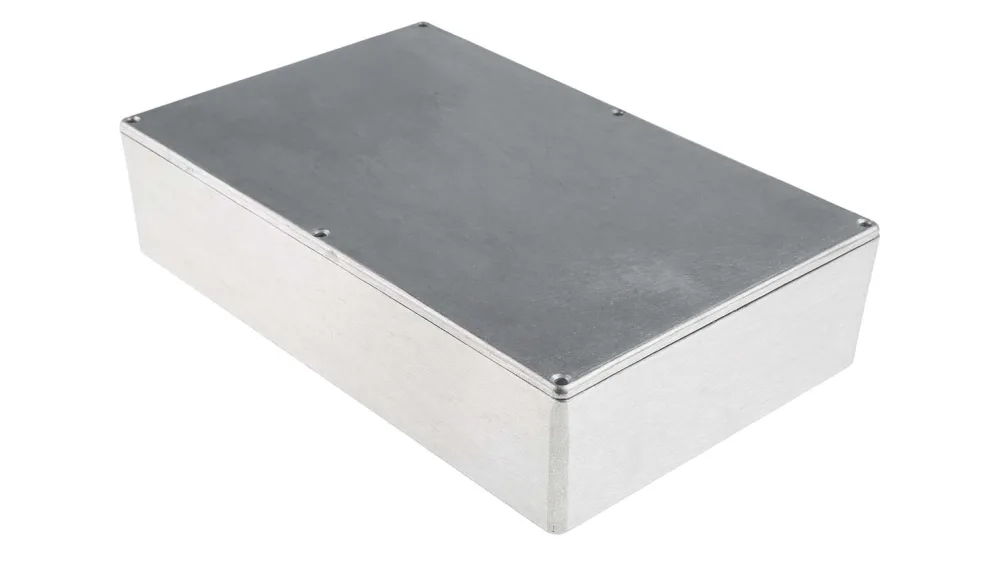

The aluminium enclosure manufacturing industry is evolving rapidly as global demand rises across automation, energy, telecommunications, and industrial infrastructure sectors. These enclosures are no longer simple protective boxes; they are now engineered components designed for performance, safety, and system integration. As industries move toward smarter and more connected systems, manufacturers are adapting to new expectations in design, materials, and sustainability.
A professional aluminium enclosure manufacturer today operates in a highly competitive and innovation-driven environment, where efficiency, customization, and compliance define global success.
Table of Contents
ToggleRising Demand Driven by Industrial Transformation
One of the strongest global trends is the increasing demand for aluminium enclosures across industrial applications. Growth in automation, renewable energy, and digital infrastructure is directly influencing market expansion.
Key drivers include:
- Expansion of industrial automation and smart manufacturing systems
- Rapid deployment of renewable energy infrastructure
- Growth of EV charging and power distribution networks
- Increased adoption of IoT-enabled industrial equipment
These sectors require durable and thermally efficient enclosures to protect sensitive electronics in demanding environments.
Global aluminium consumption is also increasing due to its lightweight and versatile properties, making it essential for modern engineering applications.
Shift Toward Smart and Application-Specific Designs
A major industry trend is the shift from standard enclosures to application-specific and smart designs. Modern systems require enclosures that support advanced electronics, edge computing, and real-time monitoring.
By 2026, enclosure design is increasingly influenced by:
- Higher electronics density in industrial systems
- Integration of edge computing and telecom hardware
- Demand for improved thermal management
- Need for IP- and EMC-rated protection
Manufacturers are focusing on enclosures that are not just protective, but also functional components of digital systems.
Customization as a Global Standard
Customization has become a defining trend in the aluminium enclosure industry. Instead of offering only standard products, manufacturers are now delivering highly tailored solutions for specific applications.
Common customization trends include:
- Precision cutouts for connectors and interfaces
- Modular internal mounting systems
- Specialized coatings for corrosion or EMI protection
- Flexible sizing for compact industrial systems
This shift reflects the growing complexity of modern electronics and the need for precise engineering integration.
Sustainability and Green Manufacturing Practices
Sustainability is now a major focus across the global aluminium industry. Manufacturers are adopting eco-friendly production methods and optimizing material usage to reduce environmental impact.
Key sustainability trends include:
- Increased use of recyclable aluminium alloys
- Energy-efficient manufacturing processes
- Reduced waste in machining and finishing
- Compliance with environmental standards such as RoHS
Aluminium’s recyclability makes it a preferred material in industries aiming to reduce carbon footprints while maintaining durability and performance.
Advancements in Manufacturing Technology
Technological innovation is transforming how aluminium enclosures are designed and produced. Manufacturers are investing heavily in automation and precision engineering tools.
Key advancements include:
- CNC machining for high-precision fabrication
- Automated extrusion and forming systems
- Advanced anodizing and powder coating techniques
- Early adoption of 3D printing for prototyping
These technologies improve production speed, accuracy, and consistency while enabling more complex enclosure designs.
Growing Role of Global Supply Chain Integration
The aluminium enclosure industry is becoming more globally integrated, with manufacturers expanding their operations across regions to meet rising demand. However, supply chain challenges such as raw material price fluctuations and trade restrictions continue to impact production strategies.
At the same time:
- Inventory levels remain tight in many regions
- Energy costs influence production decisions
- Geopolitical factors affect material sourcing
These dynamics are pushing manufacturers to improve efficiency and diversify supply chains for stability.
Expansion Across High-Growth Industries
Aluminium enclosures are increasingly used in fast-growing sectors that require reliable protection systems. Some of the most significant industries include:
- Renewable energy systems (solar and wind infrastructure)
- Telecommunications and data centers
- Industrial robotics and automation
- Transportation and electric vehicles
- Smart infrastructure and IoT networks
Each of these sectors requires enclosures that combine durability, thermal control, and precision engineering.
Conclusion
The global aluminium enclosure manufacturing industry is undergoing a major transformation driven by automation, sustainability, and advanced engineering requirements. Standard products are being replaced by customized, high-performance solutions designed for complex industrial environments.
As demand continues to grow across multiple sectors, manufacturers that focus on innovation, precision, and environmental responsibility will remain competitive. The role of a modern aluminium enclosure manufacturer is now central to enabling safer, smarter, and more efficient industrial systems worldwide.

