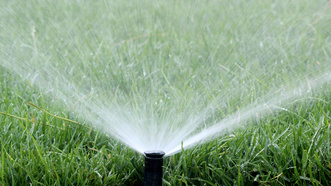

Efficient water distribution is essential for healthy crop growth, consistent yields, and sustainable agricultural production. As water resources become increasingly valuable, farmers need irrigation systems that deliver the right amount of water to crops while minimizing waste. High-quality irrigation pipes play a central role in achieving these goals.
The performance of an irrigation network depends on several factors, including pipe material, diameter, pressure capacity, and installation quality. Working with a reliable Irrigation Pipe Manufacturer can help farmers identify products that suit their field conditions and irrigation requirements. Selecting appropriate pipes from the beginning can improve water delivery, reduce maintenance needs, and support more efficient farm management.
The Importance of Irrigation Pipes in Agriculture
Irrigation pipes transport water from a source to different sections of a field, ensuring that crops receive an adequate supply throughout their growing cycle. Depending on the system design, they may serve as mainlines, submains, or distribution lines that connect to sprinklers, drip emitters, and other irrigation equipment.
Poor-quality pipes can contribute to leakage, pressure fluctuations, and uneven water delivery. These problems may leave some areas overwatered while others receive insufficient moisture, affecting crop development and increasing operating expenses.
Quality pipes help create a more dependable distribution network when they are properly sized, installed, and maintained. Their performance is particularly important in large agricultural operations where even small inefficiencies can result in significant water losses.
How Quality Irrigation Pipes Improve Water Distribution
1. Reduce Water Loss Through Leakage
Leaks can waste substantial amounts of water over time, particularly in extensive irrigation networks. Damaged pipe walls, weak joints, and incompatible fittings are common sources of water loss.
Well-manufactured pipes with consistent dimensions and suitable material properties can help reduce these problems. Correct installation and routine inspections are equally important because even high-quality products can develop leaks if connections are poorly fitted or operating conditions exceed their specifications.
Reducing leakage allows more of the available water to reach the intended irrigation points, improving the overall efficiency of the system.
2. Maintain Consistent Water Pressure
Uniform water pressure is important for distributing water effectively across agricultural fields. If pressure drops significantly along a pipeline, sprinklers may produce uneven coverage, while drip emitters may deliver different flow rates depending on the system design.
Selecting pipes with an appropriate diameter and pressure rating helps maintain the performance required by the irrigation network. Pipe sizing should account for flow demand, pipeline length, elevation changes, friction losses, and pump capacity.
A properly designed system can deliver water more consistently, helping farmers maintain suitable soil moisture levels across different sections of their fields.
3. Support Efficient Drip Irrigation
Drip irrigation delivers water close to plant roots, reducing unnecessary wetting of the soil surface and helping limit evaporation. This approach is particularly useful for row crops, orchards, vegetable farms, and other agricultural applications where controlled water delivery is beneficial.
Quality pipes provide the pathways needed to distribute water from the source to drip lines and emitters. Their compatibility with connectors, filters, valves, and other components affects the reliability of the complete system.
To achieve the best results, farmers should select pipes designed for the intended operating pressure and ensure that filtration and maintenance practices help prevent emitter blockage.
4. Improve Durability in Different Field Conditions
Agricultural pipelines may be exposed to sunlight, temperature changes, soil movement, moisture, and mechanical stress from farming activities. These conditions can affect the service life of unsuitable materials.
Choosing pipes with appropriate resistance to the expected environment helps reduce the likelihood of premature cracking, deformation, and deterioration. Polyethylene and PVC are common options, although their suitability depends on the application, installation method, and operating requirements.
Farmers should review material specifications and consider whether pipes will be installed above ground, buried underground, or used in areas exposed to heavy equipment.
Choosing the Right Pipe Material for Your Irrigation System
Different pipe materials offer different benefits, making it important to match the product to the intended use.
Polyethylene (PE) pipes are flexible and commonly used in drip irrigation and agricultural water distribution. Their flexibility can simplify installation around field layouts and uneven terrain.
Polyvinyl chloride (PVC) pipes are rigid and widely used in water conveyance systems where stable dimensions and suitable pressure performance are required. Installation methods and joint types should be selected according to the pipe specifications.
When comparing materials, consider pressure requirements, expected service life, exposure to sunlight, installation costs, compatibility with fittings, and local environmental conditions. The most suitable option is the one that meets the project’s technical requirements without unnecessary expense.
Factors That Affect Irrigation System Efficiency
Even high-quality pipes cannot compensate for an incorrectly designed irrigation network. Several additional factors influence how effectively water reaches crops.
- Correct pipe sizing: Appropriate diameters help manage flow rates and friction losses throughout the network.
- Proper installation: Secure joints, suitable trench preparation, and adequate protection reduce the risk of damage.
- Filtration: Effective filtration helps protect drip emitters and other components from sediment and debris.
- Regular maintenance: Periodic inspections can identify leaks, blockages, and pressure problems before they become more serious.
- Suitable system design: Pipeline routing, elevation differences, pump selection, and irrigation scheduling all affect water distribution.
Addressing these factors together creates a more reliable system and helps farmers make better use of available water.
The Economic Benefits of Quality Irrigation Pipes
Investing in suitable irrigation pipes can offer long-term financial benefits by reducing water losses, limiting repair frequency, and supporting consistent irrigation performance. Lower maintenance requirements can also reduce labor costs and minimize interruptions during critical crop growth stages.
Efficient water delivery may improve crop uniformity when combined with appropriate irrigation scheduling, soil management, and nutrient practices. However, improved yields are not guaranteed by pipe quality alone; they also depend on crop selection, weather, soil conditions, and overall farm management.
Farmers should therefore compare the total cost of ownership rather than focusing exclusively on the initial purchase price. Product quality, expected service life, installation requirements, and replacement costs all contribute to the overall value of an irrigation investment.
How to Select a Reliable Irrigation Pipe Supplier
Choosing a suitable supplier is an important part of planning an effective irrigation system. Before making a purchase, evaluate the manufacturer’s product range, technical documentation, quality-control practices, and ability to meet delivery requirements.
Ask for clear information about pipe dimensions, material composition, pressure ratings, and applicable testing standards. Confirm that the products are compatible with the intended irrigation equipment and that the supplier can provide the quantities needed for the project.
It is also worth reviewing warranty conditions and the availability of technical assistance. Clear communication and accurate product information make it easier to select pipes that match the farm’s operational needs.
Conclusion
Quality irrigation pipes are essential for efficient agricultural water distribution. They help reduce leakage, support appropriate pressure management, improve system reliability, and contribute to more consistent water delivery when combined with sound irrigation design and maintenance.
By choosing suitable materials, verifying technical specifications, and working with dependable suppliers, farmers can build irrigation networks that meet their needs over the long term. A carefully planned system can help conserve water, control operating expenses, and support more sustainable agricultural production.