


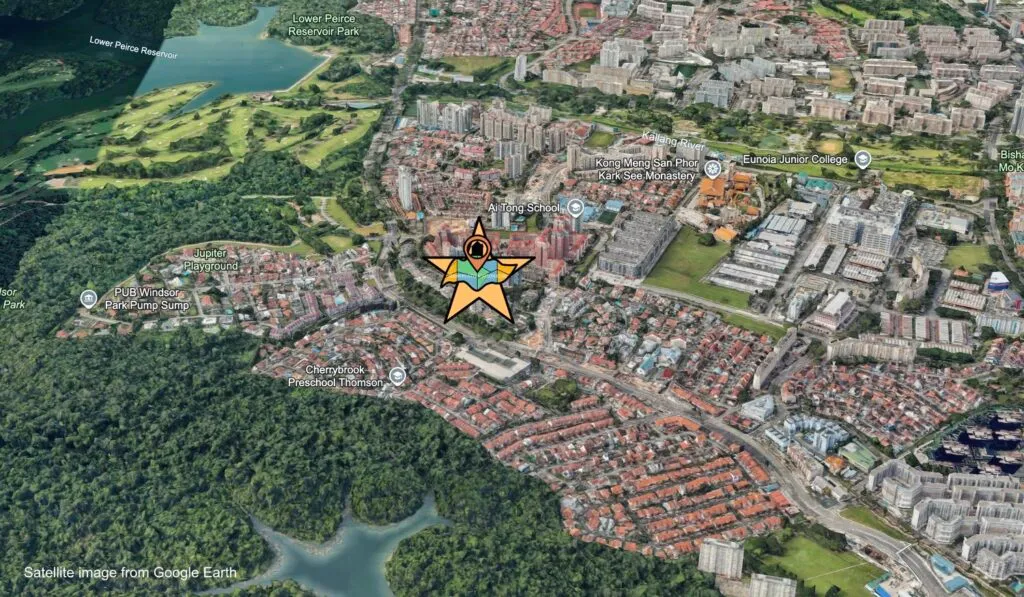

Upper Thomson has steadily evolved into one of Singapore’s most strategically positioned residential districts, supported by ongoing transport upgrades, urban planning initiatives, and lifestyle improvements. These developments are reshaping the area into a highly connected and future-ready neighbourhood that continues to attract both homeowners and investors.
Located within this established precinct, Thomson Reserve benefits from a strong foundation of infrastructure as well as upcoming enhancements that are expected to further improve accessibility and liveability over the coming years.
Table of Contents
ToggleThomson-East Coast Line as a Key Transport Upgrade
One of the most significant infrastructure developments in the area is the Thomson-East Coast Line (TEL). This MRT line has transformed connectivity across the northern and central regions of Singapore.
Key advantages include:
- Direct access to Upper Thomson MRT station
- Seamless travel to Orchard, Marina Bay, and the CBD
- Improved north-south connectivity across multiple districts
- Reduced travel times for daily commuting
The TEL continues to enhance property value along its route, as improved accessibility is a major driver of residential demand.
Upcoming Cross Island Line Connectivity
A major future development that will further enhance the area is the Cross Island Line (CRL). This upcoming MRT line is expected to significantly improve east–west connectivity across Singapore.
A key feature includes:
- Bright Hill MRT becoming an interchange between TEL and CRL
This interchange will allow residents in the Thomson area to access more parts of the island with fewer transfers, strengthening the district’s position as a transport hub.
Road Network and Expressway Accessibility
In addition to rail connectivity, the area surrounding Thomson Reserve is well-supported by Singapore’s expressway network. This provides flexibility for residents who drive.
Major routes include:
- Central Expressway (CTE) for access to the CBD and northern regions
- Pan Island Expressway (PIE) connecting east and west Singapore
- Seletar Expressway (SLE) for northern and northeastern access
Upper Thomson Road also serves as a key arterial route, ensuring smooth connectivity within the district and to surrounding neighbourhoods.
Ongoing URA Master Plan Enhancements
The Urban Redevelopment Authority (URA) continues to guide the long-term development of Singapore’s residential areas, and Upper Thomson is part of this broader transformation strategy.
Planned and ongoing improvements focus on:
- Strengthening public transport integration
- Enhancing residential density in a controlled manner
- Expanding green corridors and park connectors
- Improving community infrastructure and public spaces
These initiatives aim to balance urban growth with environmental sustainability, ensuring long-term liveability.
Growth of Lifestyle and Commercial Infrastructure
Beyond transport, the area is also seeing continuous upgrades in lifestyle and commercial amenities. These developments contribute to a more complete and self-sufficient neighbourhood.
Key enhancements include:
- Expansion of dining and café clusters along Upper Thomson Road
- Upgrades to nearby retail hubs such as Thomson Plaza
- Increased variety of lifestyle and wellness services
- More pedestrian-friendly streetscapes and public spaces
This steady growth supports the area’s transformation into a vibrant lifestyle destination.
Integration with Green and Natural Infrastructure
A unique feature of infrastructure planning in the Thomson area is its close integration with natural landscapes. Unlike highly dense urban districts, this region maintains strong connections to green environments.
Residents benefit from proximity to:
- MacRitchie Reservoir and nature reserve trails
- Park connector networks for cycling and walking
- Green buffers that support environmental sustainability
- Outdoor recreational spaces within a short distance
This integration enhances both physical and mental well-being, making the area attractive for long-term residential living.
Educational and Community Facilities
Infrastructure development in the area also includes strong support for education and community services. These elements are essential for creating a stable residential environment.
Facilities include:
- Established primary and secondary schools
- Childcare and enrichment centres
- Community clubs and recreational facilities
- Nearby healthcare and medical services
Such infrastructure supports families and contributes to long-term neighbourhood stability.
Future Outlook for the Thomson District
The combination of transport upgrades, urban redevelopment, and lifestyle enhancements positions the Thomson area as one of Singapore’s key growth corridors.
Future expectations include:
- Increased demand for homes near MRT interchanges
- Continued appreciation of well-connected residential properties
- Strengthening of Upper Thomson as a lifestyle and dining hub
- Greater integration of green and urban infrastructure
These trends suggest long-term resilience and sustained interest in the district.
Conclusion
The infrastructure and future developments surrounding Thomson Reserve highlight the strategic importance of the Upper Thomson area within Singapore’s urban landscape. With strong MRT connectivity, upcoming rail interchanges, expressway access, and continuous lifestyle improvements, the district is well-positioned for long-term growth.
As the area continues to evolve under national planning frameworks, it offers a balanced combination of connectivity, convenience, and liveability—making it a key residential location with strong future potential.


