


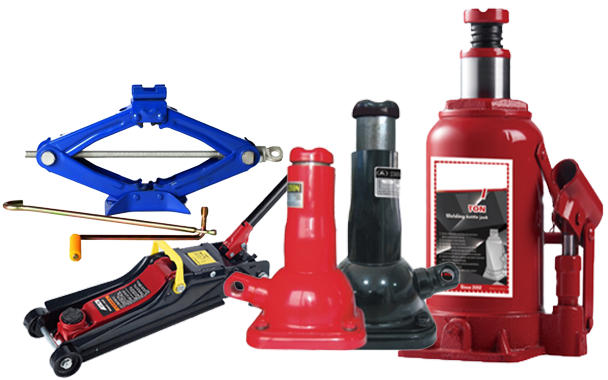

Hydraulic cylinders are essential components in heavy machinery, industrial equipment, construction vehicles, and agricultural systems. They convert hydraulic pressure into linear motion, allowing equipment to lift, push, pull, and position heavy loads with precision. Like any mechanical component, hydraulic cylinders require regular maintenance to ensure reliable performance and prevent costly breakdowns.
A well-maintained hydraulic system not only improves equipment efficiency but also extends service life and reduces unexpected downtime. Using a high-quality Hydraulic Cylinder and following proper maintenance practices can help maximize productivity while minimizing repair and replacement costs.
Table of Contents
ToggleWhy Hydraulic Cylinder Maintenance Matters
Hydraulic cylinders operate under high pressure and are often exposed to harsh working environments. Dirt, moisture, worn seals, and contaminated hydraulic fluid can reduce efficiency and damage internal components.
Routine maintenance helps:
- Extend equipment lifespan
- Reduce operating costs
- Improve safety
- Prevent unexpected failures
- Maintain consistent performance
A preventive maintenance program is far more cost-effective than emergency repairs.
Inspect Hydraulic Cylinders Regularly
Frequent visual inspections are the first step in identifying potential problems before they become serious.
Check for:
- Hydraulic fluid leaks
- Scratches on the piston rod
- Damaged cylinder housing
- Loose mounting hardware
- Corrosion or rust
- Signs of excessive wear
Early detection allows minor issues to be corrected before they lead to major failures.
Monitor Hydraulic Fluid Quality
Hydraulic fluid is essential for proper cylinder operation. Contaminated or degraded fluid can damage seals, valves, and internal cylinder surfaces.
Inspect the hydraulic fluid for:
- Dirt or debris
- Water contamination
- Unusual discoloration
- Burnt odor
- Foaming
Replace the hydraulic fluid according to the manufacturer’s recommended maintenance schedule to maintain system performance.
Keep the Piston Rod Clean
The piston rod is constantly exposed to dust, mud, moisture, and other contaminants.
After equipment operation:
- Wipe away dirt and debris.
- Remove moisture to prevent corrosion.
- Inspect the rod surface for scratches or dents.
A clean piston rod protects the seals and reduces the likelihood of contamination entering the hydraulic system.
Check Seals for Wear
Hydraulic seals play a critical role in preventing fluid leaks and maintaining system pressure.
Signs of worn seals include:
- External fluid leakage
- Reduced lifting power
- Slow cylinder movement
- Pressure loss
Replacing worn seals promptly helps prevent damage to other hydraulic components.
Inspect Mounting Points
Loose or damaged mounting hardware can place unnecessary stress on the hydraulic cylinder.
Regularly inspect:
- Mounting pins
- Bushings
- Brackets
- Bolts
- Pivot connections
Proper alignment reduces vibration and promotes smooth cylinder operation.
Prevent Corrosion
Hydraulic cylinders operating outdoors or in humid environments are vulnerable to corrosion.
To minimize corrosion:
- Store equipment in dry conditions.
- Clean cylinders after exposure to water or chemicals.
- Apply protective coatings where appropriate.
- Inspect painted surfaces for damage.
Protecting metal surfaces helps extend cylinder life and maintain reliable performance.
Avoid Overloading the Cylinder
Every hydraulic cylinder is designed for a specific operating pressure and load capacity.
Avoid:
- Exceeding rated load limits
- Operating beyond pressure specifications
- Applying side loads
- Using cylinders for unintended applications
Overloading accelerates wear and increases the risk of component failure.
Lubricate Moving Components
Proper lubrication reduces friction and minimizes wear on moving parts.
Lubricate:
- Mounting pins
- Pivot joints
- Bearings
- External linkage components
Always use lubricants recommended by the equipment manufacturer.
Replace Damaged Components Promptly
Ignoring minor damage can result in larger and more expensive repairs.
Replace components showing signs of:
- Bent piston rods
- Cracked cylinder barrels
- Damaged seals
- Worn bearings
- Corroded fittings
Timely repairs help maintain system reliability and prevent unexpected downtime.
Maintain Proper Hydraulic Pressure
Operating at incorrect hydraulic pressure affects cylinder performance and service life.
Monitor system pressure regularly to ensure it remains within the manufacturer’s recommended operating range.
Consistent pressure helps maintain smooth movement and reduces unnecessary stress on hydraulic components.
Develop a Preventive Maintenance Schedule
A structured maintenance program improves equipment reliability and simplifies inspections.
Include tasks such as:
- Daily visual inspections
- Weekly cleaning
- Monthly hydraulic fluid checks
- Scheduled seal inspections
- Annual comprehensive servicing
Keeping detailed maintenance records also helps identify recurring issues and optimize service intervals.
Common Maintenance Mistakes to Avoid
Avoid these common errors when maintaining hydraulic cylinders:
- Ignoring small hydraulic leaks
- Delaying seal replacement
- Using contaminated hydraulic fluid
- Failing to clean piston rods
- Skipping routine inspections
- Operating beyond rated capacity
Preventing these mistakes can significantly increase the lifespan of hydraulic equipment.
Conclusion
Proper maintenance is essential for ensuring hydraulic cylinders continue to deliver reliable and efficient performance in demanding industrial environments. Regular inspections, clean hydraulic fluid, proper lubrication, timely seal replacement, and careful operation all contribute to extending equipment life and reducing maintenance costs.
By following these maintenance best practices and investing in a quality hydraulic cylinder, equipment owners can improve productivity, enhance workplace safety, and minimize costly downtime across construction, agriculture, manufacturing, and other heavy-duty applications.


