


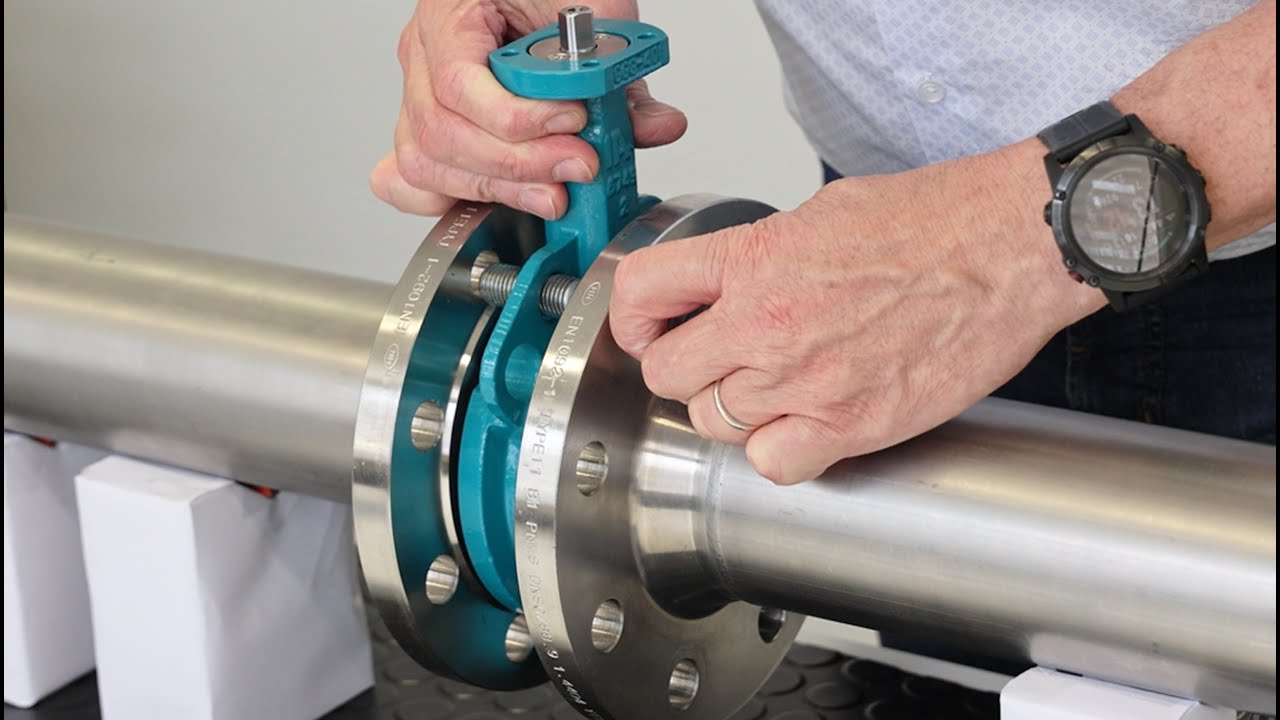

Managing fluid flow in pipelines efficiently requires reliable and cost-effective solutions. A wafer butterfly valve is designed to provide smooth operation, quick shut-off, and precise flow control, making it a preferred choice in industries ranging from water treatment to chemical processing. Its compact design allows easy installation between flanges, reducing space requirements while maintaining high performance under varying pressure and temperature conditions.
For companies seeking a versatile valve solution, a wafer butterfly valve offers durability, minimal maintenance, and dependable operation. With its lightweight design and robust construction, it ensures long-term efficiency and safety in diverse applications.
How a Wafer Butterfly Valve Works
A wafer butterfly valve controls fluid flow using a rotating disc mounted on a central shaft. When the valve is open, the disc aligns parallel to the flow, allowing fluids to pass through with minimal resistance. When closed, the disc rotates perpendicular to the flow, creating a secure seal that stops the fluid entirely.
Unlike globe or gate valves, wafer butterfly valves are ideal for applications that require rapid on/off operation or throttling. Their design enables quick actuation, making them suitable for automated systems in industries where speed and precision are critical.
Key Components of a Wafer Butterfly Valve
Understanding the structure of a wafer butterfly valve highlights its efficiency:
-
Valve Body: A compact, lightweight structure designed to fit between pipe flanges.
-
Disc: The central component that rotates to regulate flow.
-
Shaft/Stem: Connects the disc to the actuator or handle, transmitting motion efficiently.
-
Seat: Provides a tight seal between the disc and body, ensuring leak-free operation.
-
Actuator or Handle: Allows manual or automated operation of the valve.
These components work together to provide reliable performance in a variety of pipeline conditions.
Advantages of Wafer Butterfly Valves
Space-Saving Design
Wafer butterfly valves are designed to fit snugly between flanges, eliminating the need for additional installation space. This makes them ideal for compact piping systems.
Lightweight Construction
Compared to gate or globe valves, wafer butterfly valves are lighter, reducing support requirements and installation effort.
Cost-Effective
Their simple design and fewer components make wafer butterfly valves an economical choice for large-scale installations without compromising performance.
Efficient Flow Control
The disc’s rotation allows precise regulation of flow, and when fully open, it offers minimal resistance, enhancing energy efficiency in pumping systems.
Quick Operation
The valve can be opened or closed rapidly, which is especially useful in emergency shutdown systems or automated processes.
Common Applications of Wafer Butterfly Valves
Water Treatment and Distribution
Wafer butterfly valves are extensively used in water treatment plants and municipal water distribution networks for flow control, isolation, and throttling applications.
Chemical Processing
Industries handling chemicals and corrosive fluids rely on wafer butterfly valves due to their reliable sealing and ease of automation.
HVAC Systems
Butterfly valves help regulate flow in heating, ventilation, and air conditioning systems, ensuring efficient temperature control.
Food and Beverage Industry
Their sanitary design options allow safe use in processing lines for beverages, dairy, and other food products.
Types of Wafer Butterfly Valves
Manual Wafer Butterfly Valve
Operated with a hand lever or gearbox, suitable for applications where automation is not required.
Pneumatic Actuated Valve
Uses compressed air for rapid operation and precise flow control, commonly used in industrial automation.
Electric Actuated Valve
Powered by an electric actuator, providing remote control and integration into automated systems for efficient monitoring and operation.
Lug and Wafer Style
While the wafer style fits between flanges, the lug style allows one side of the pipeline to be removed without disturbing the other, offering flexibility during maintenance.
Installation and Maintenance Tips
Proper installation and maintenance ensure long-lasting performance of wafer butterfly valves:
-
Flange Alignment: Ensure correct alignment between flanges to avoid stress on the valve body and ensure smooth operation.
-
Periodic Inspection: Check for wear, corrosion, or leaks regularly to address potential issues before they escalate.
-
Lubrication: Maintain lubrication of stems and bearings for smooth rotation and minimal friction.
-
Clean Fluids: Avoid debris in the pipeline, which can damage the disc or seat and reduce valve lifespan.
Modern Improvements in Wafer Butterfly Valves
Technological advancements have enhanced valve performance and reliability:
-
Advanced Seat Materials: Use of resilient or PTFE-lined seats improves sealing performance and longevity.
-
Precision Machining: High-accuracy manufacturing ensures minimal leakage and smooth operation.
-
Corrosion-Resistant Coatings: Epoxy and other protective coatings increase durability in harsh environments.
-
Automation Integration: Compatibility with smart actuators allows for remote monitoring and control in industrial and municipal systems.
Conclusion
A wafer butterfly valve is a versatile, efficient, and reliable solution for controlling fluid flow in modern pipelines. Its compact design, lightweight construction, and precise operation make it ideal for municipal water systems, chemical processing, HVAC systems, and more. By choosing a high-quality wafer butterfly valve and following proper installation and maintenance practices, industries can achieve optimal flow control, reduce energy costs, and ensure long-lasting, dependable performance.

